The Power of Design: How Colour, Sound, and Texture Shape Student Success.
A thoughtfully designed classroom does more than provide a place to learn. It influences how students think, feel, and engage every day. Small choices around sound, colour, and texture can have a powerful impact on focus and wellbeing. When these elements work in harmony, classrooms become places that calm the mind and support meaningful learning.
The Sound of Stress: Managing Acoustics in the Classroom
Noise is one of the biggest disruptors in education. When sound bounces off hard surfaces, it creates an environment where teachers need to speak louder and students strain to listen. Research shows that classroom noise levels often average around 72 dB(A), which is similar to standing next to a busy road (Kristiansen et al., 2014). At this level, teachers strain their voices and students struggle to hear instructions clearly. This constant effort leads to cognitive fatigue, behavioural challenges, and increased stress for everyone in the room. Over time, it contributes to teacher burnout and reduced engagement.
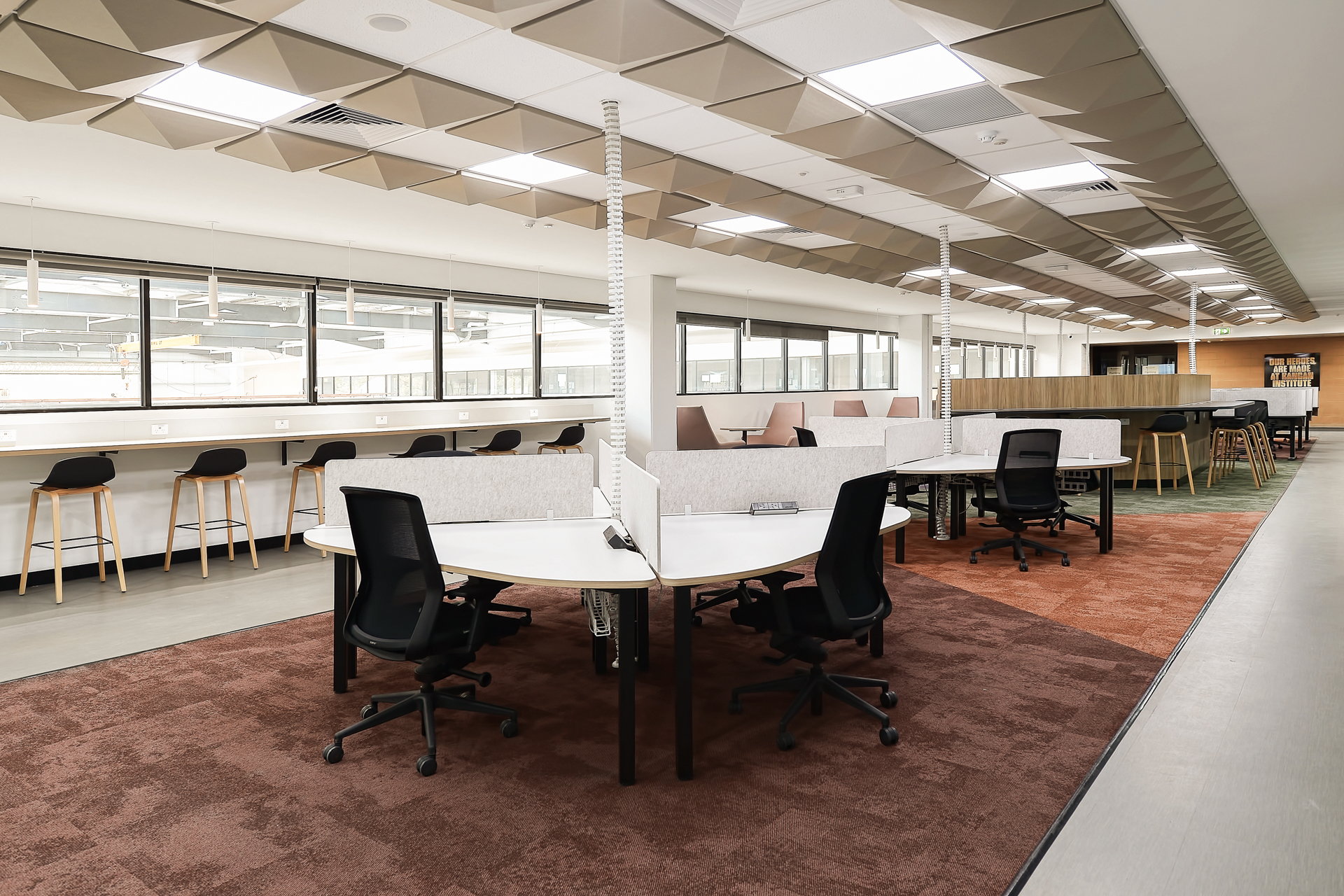
The solution lies in managing sound. Acoustic panels on walls or ceilings absorb noise, soft furnishings such as rugs and upholstered seating break up hard surfaces, and thoughtful spatial planning can separate louder activities from quiet zones. These changes improve clarity and concentration, giving both students and teachers space to thrive.
If the budget allows, consider adding a quality speaker system with a discreet microphone for the teacher. This can make communication clearer and learning more inclusive. We have the technology, let’s use it.
The Power of Colours: Rethinking Colour in Learning Spaces
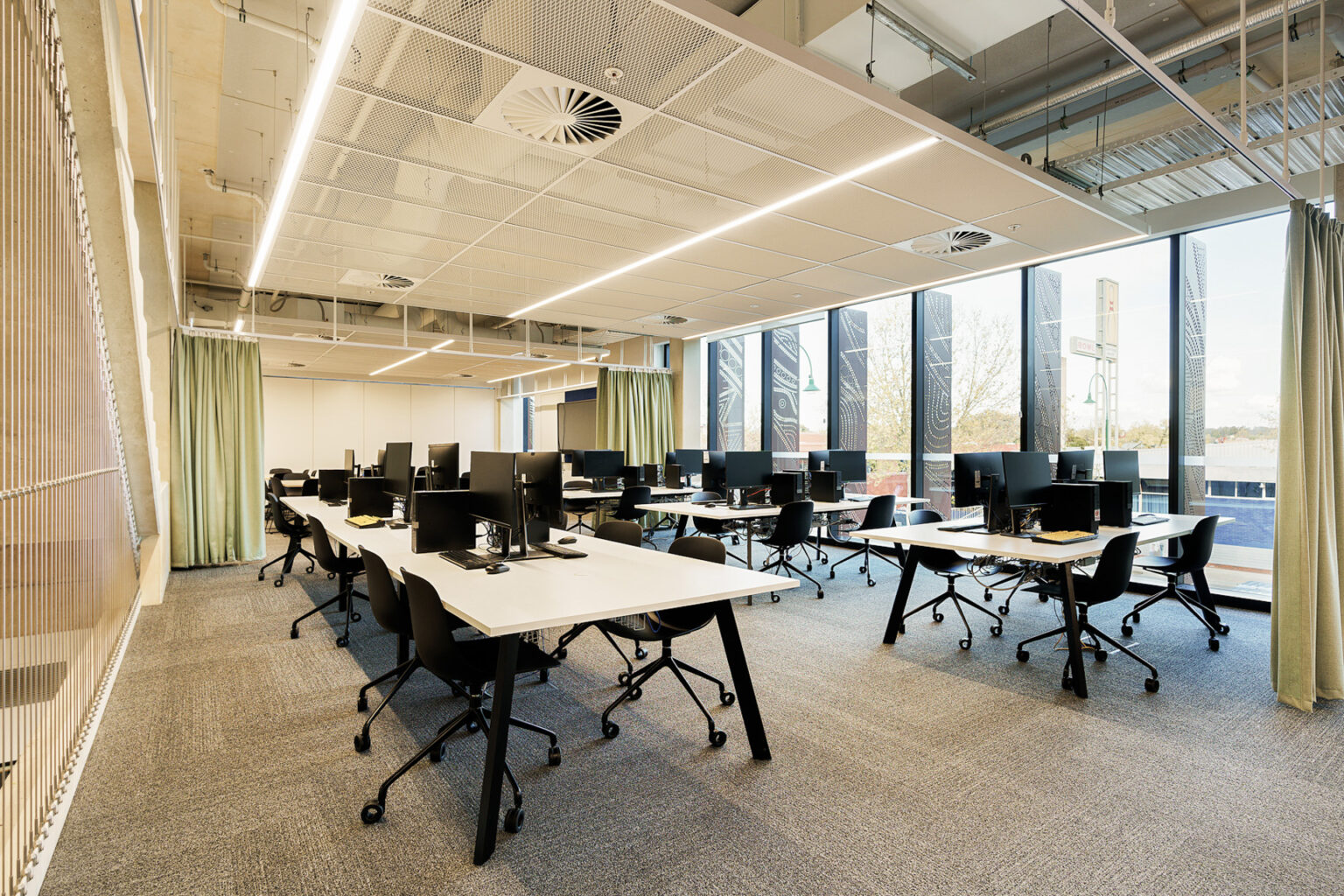
Colour sets the tone of a classroom. Bright, high-saturation shades may look cheerful, but research shows they create visual noise that overstimulates the brain (Küller, R., Mikellides, B., & Janssens, J., 2009). For neurodiverse learners, this effect can be even more overwhelming, increasing anxiety and making it harder to focus.
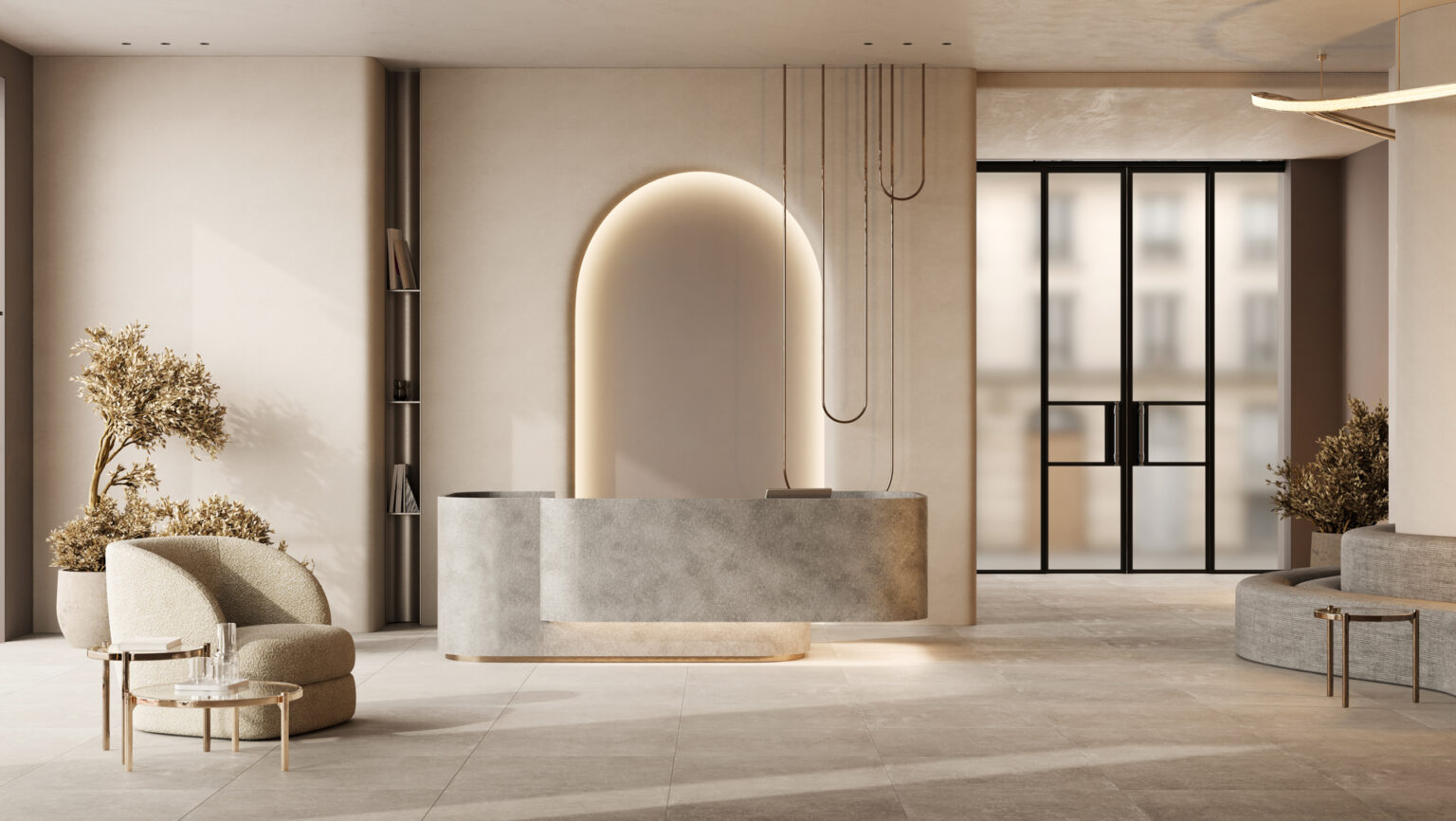
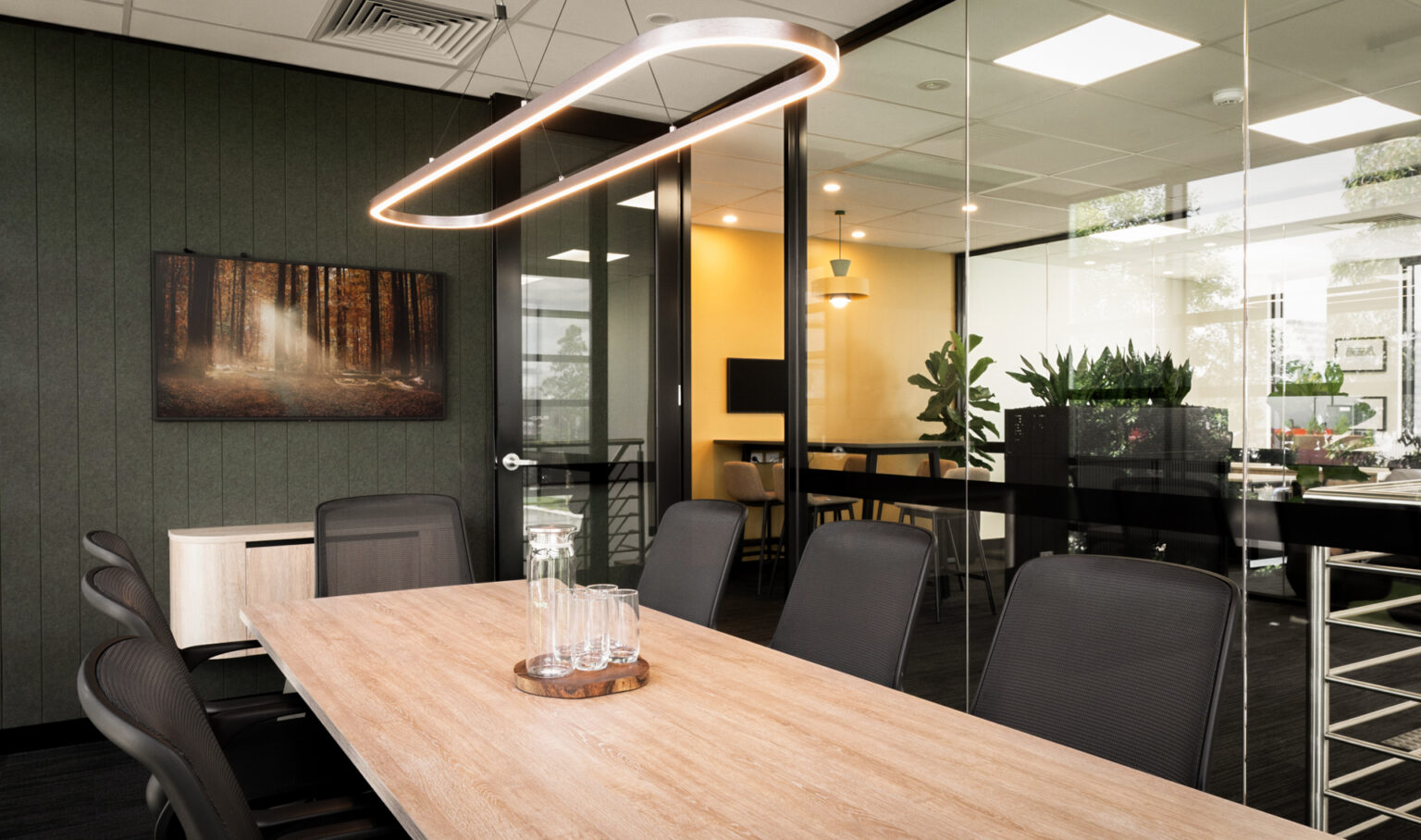
Gentle, muted tones create calm. Soft blues and pale greens support emotional regulation, while warm neutrals and muted pinks are linked to reduced heart rates and better concentration.
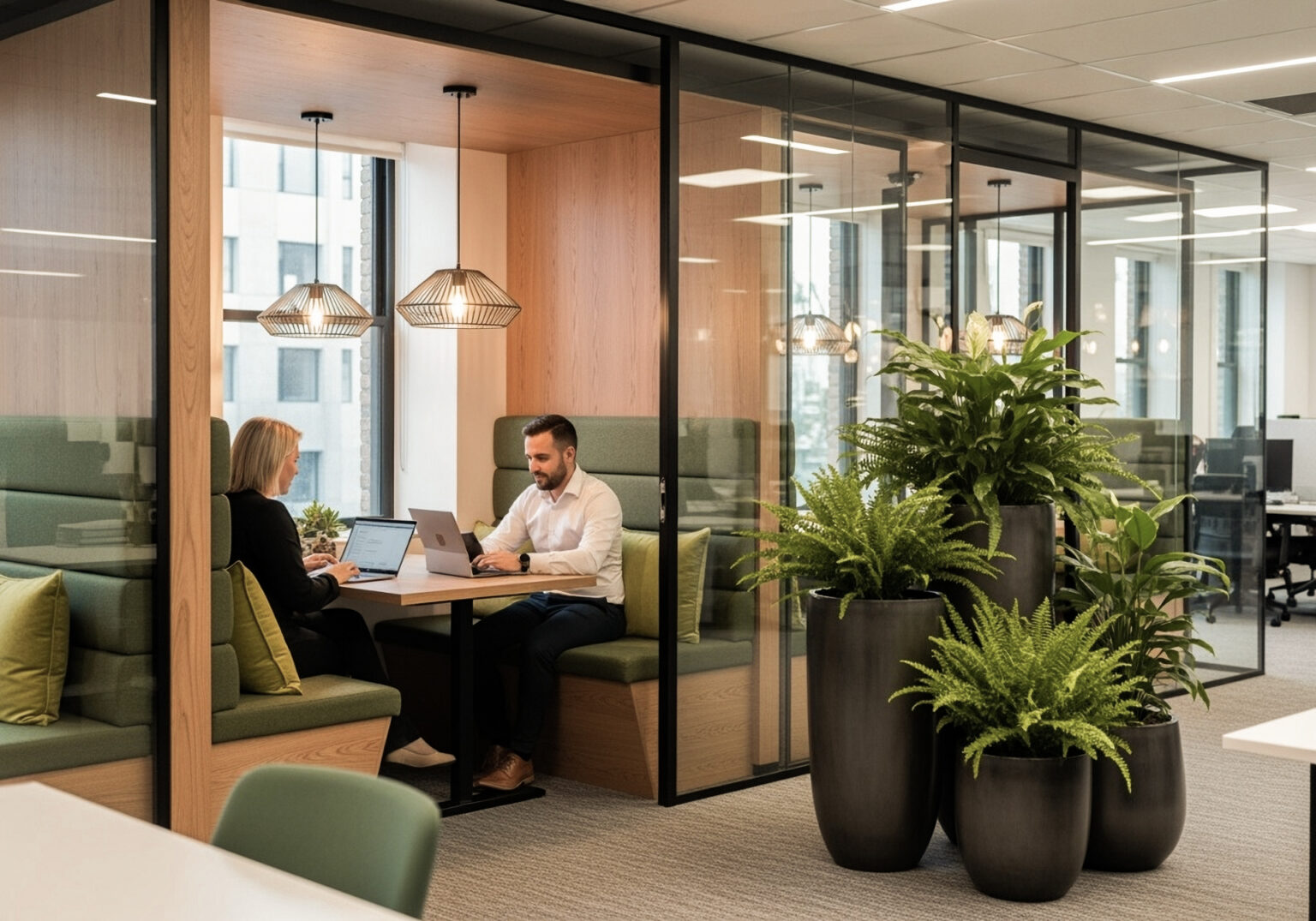
“Without us even knowing, our brains are always asking: Is this space safe? When we create environments that reflect colours and patterns found in nature, spaces that we recognise, it helps calm the nervous system and prepare the brain for learning. This is because safety allows the prefrontal cortex (responsible for focus and decision-making) pathways needed for effective learning to be fully activated. This is where Biophilic design can play a powerful role in shaping learning environments.”
Gemma Daskalou, Workplace Strategy Lead, Sensa Interiors.
(Disclaimer: This doesn’t mean everything should be 50 shades of beige. Nature is full of colour, and colour plays a vital role in triggering dopamine supporting play and creativity. It’s all about tone, balance, and using the right colours in the right way).
A recent systematic review of 128 years of research found that low-saturation colours consistently correlate with lower arousal, improved emotional wellbeing, and greater cognitive focus, making them ideal for learning spaces (Sammartino & Palumbo, 2024). By shifting to a pastel palette, schools can create an environment that encourages steady focus rather than overstimulation.
Zoning for Focus: Creating Cognitive and Visual Cues
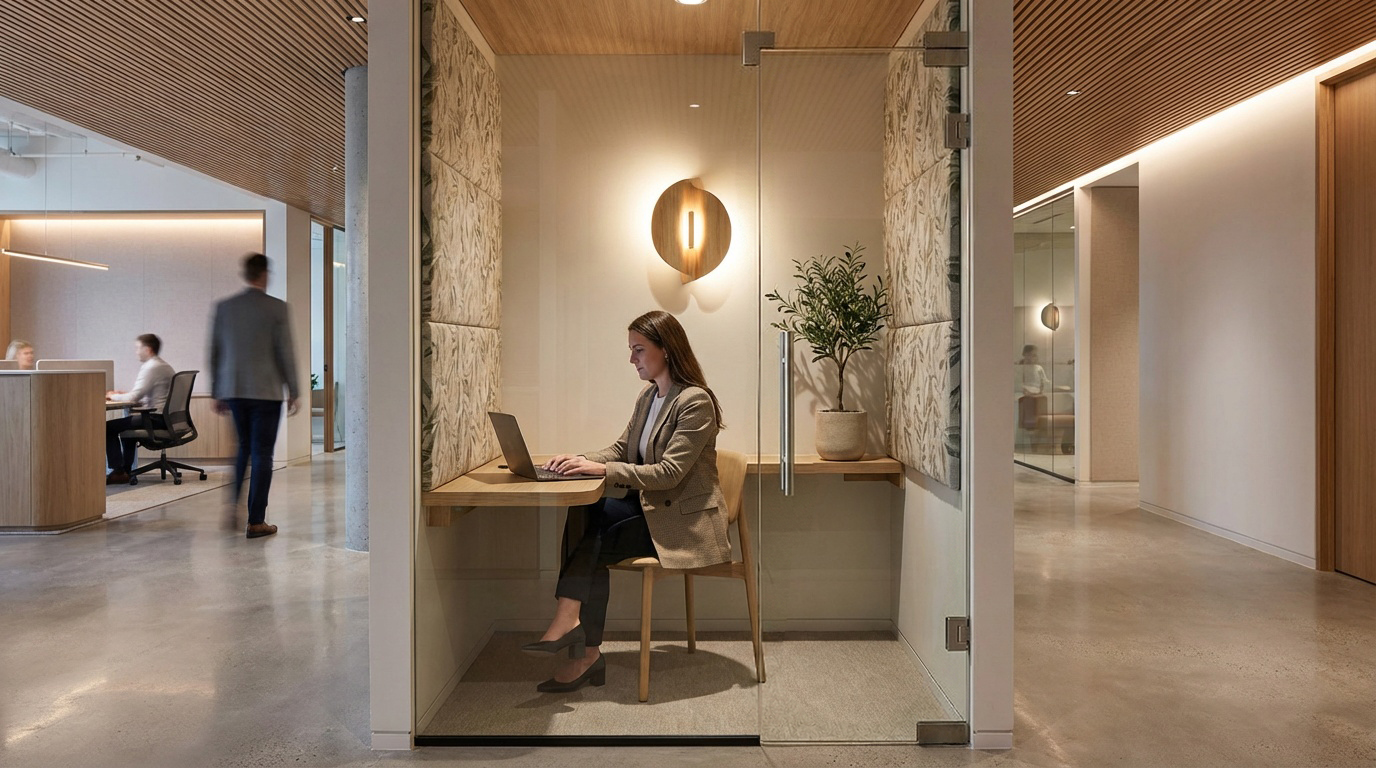
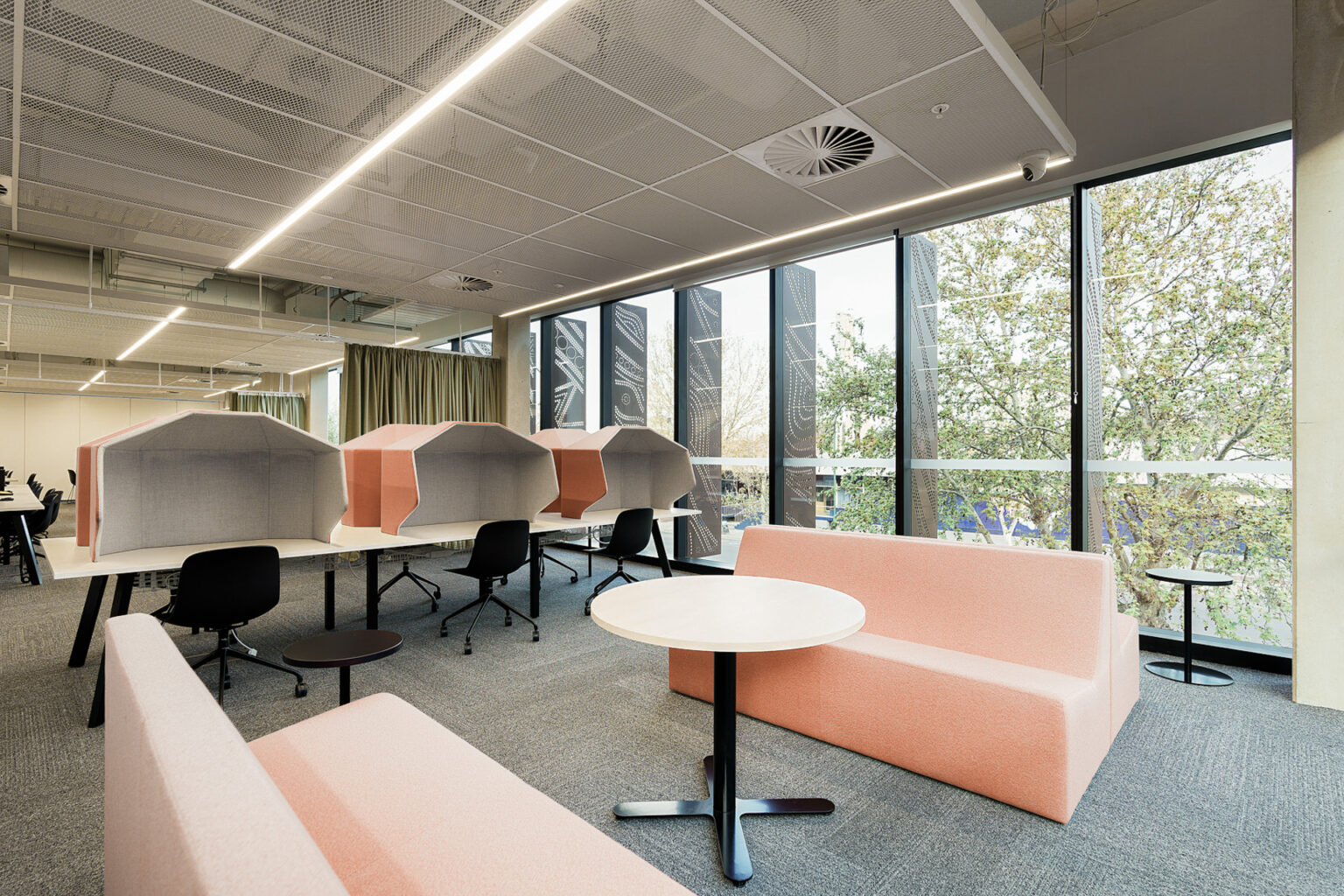
Classrooms are not one-size-fits-all. Students need spaces for different activities – group work, quiet reading, and personal reflection. Zoning helps students transition smoothly between these tasks, especially younger learners or those who benefit from clear structure.
Furniture placement can define zones without adding walls. Colour changes on walls or floors signal a shift in activity, while soft partitions or curtains create separation without isolation. These strategies have been shown to increase time-on-task by up to 15% in primary classrooms (Woolner et al., 2007). Simple additions such as reading nooks, calm-down corners, and breakout booths give the brain clear cues and reduce distractions.
Touch Matters: Bringing Texture & Tactility into the Classroom
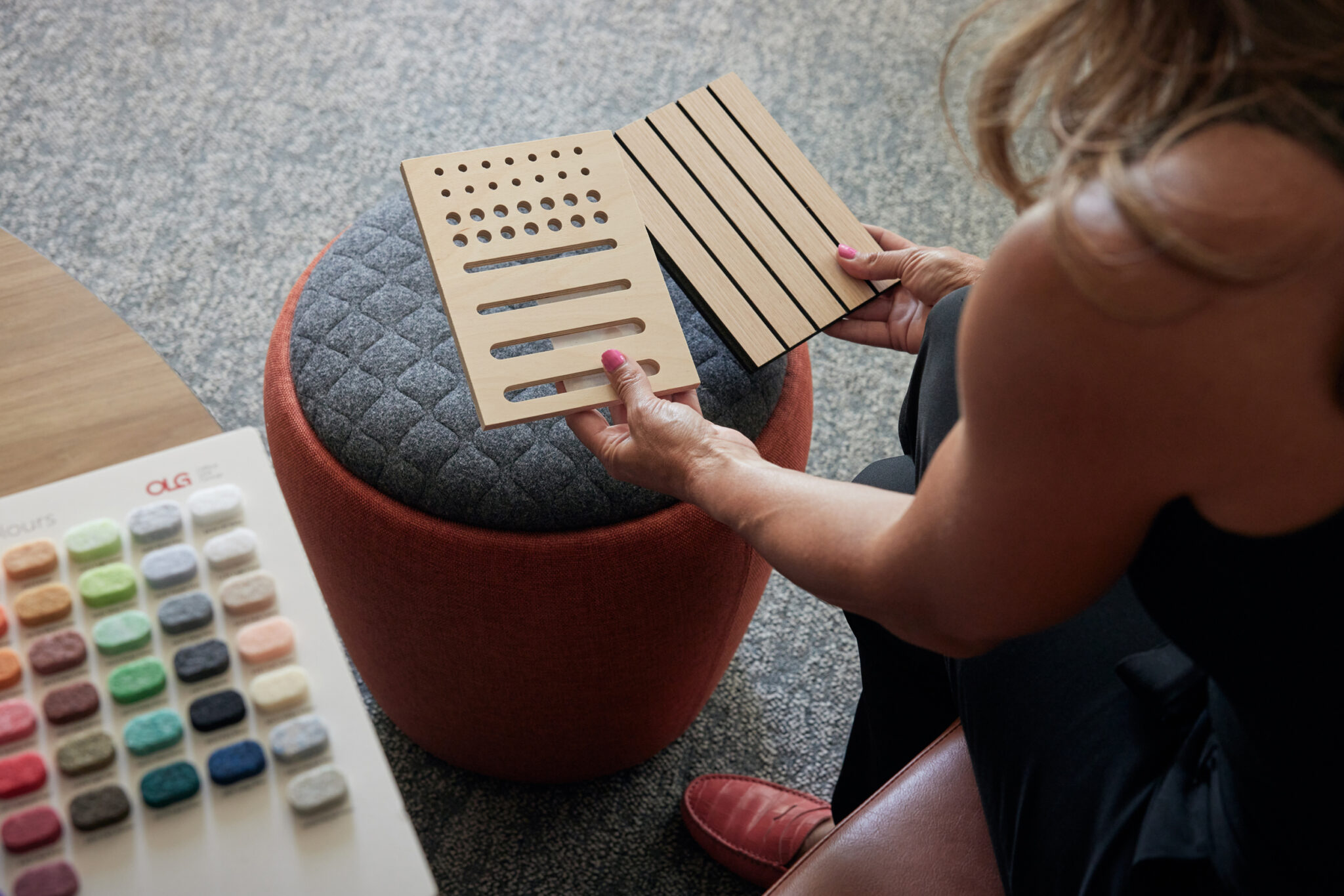
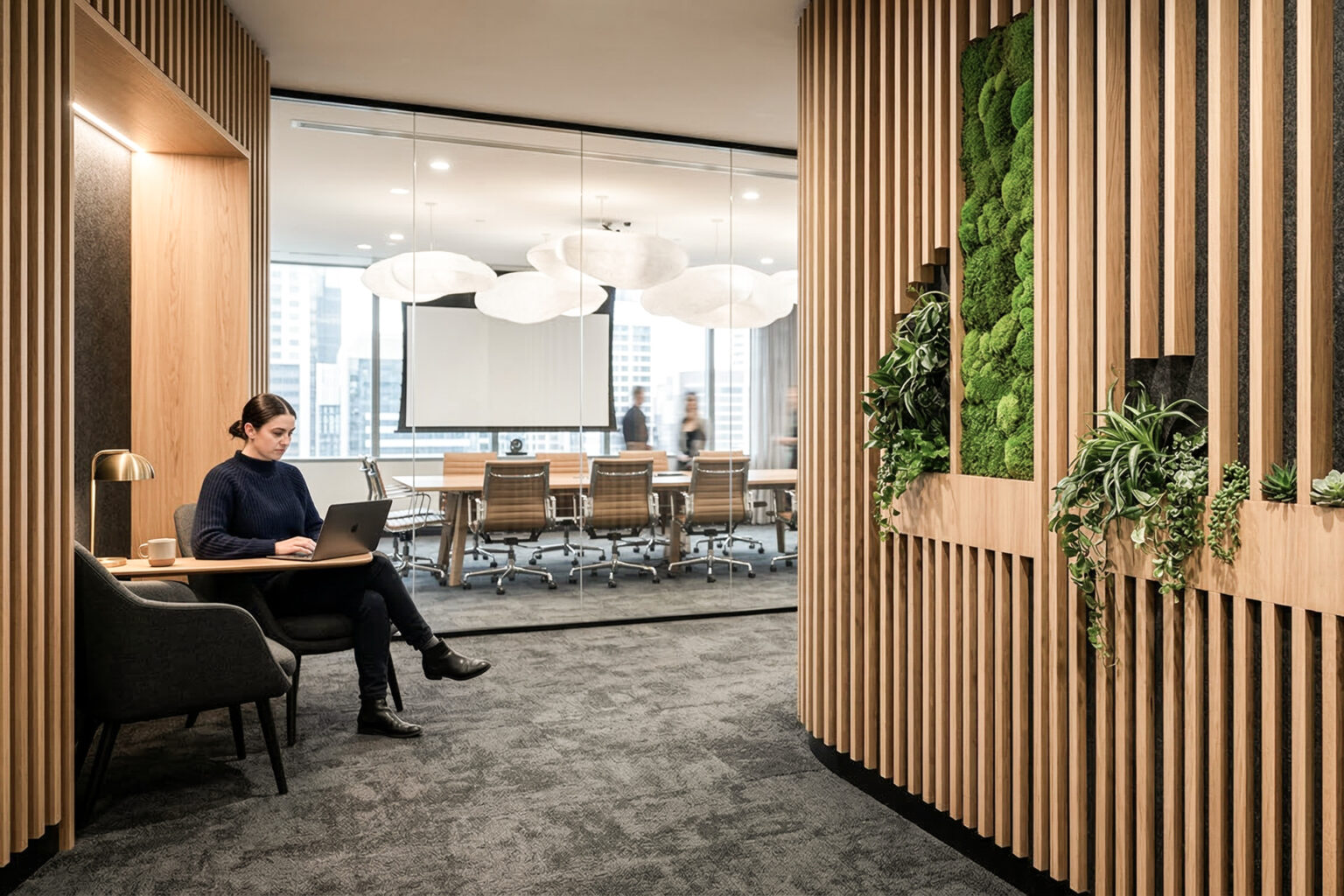
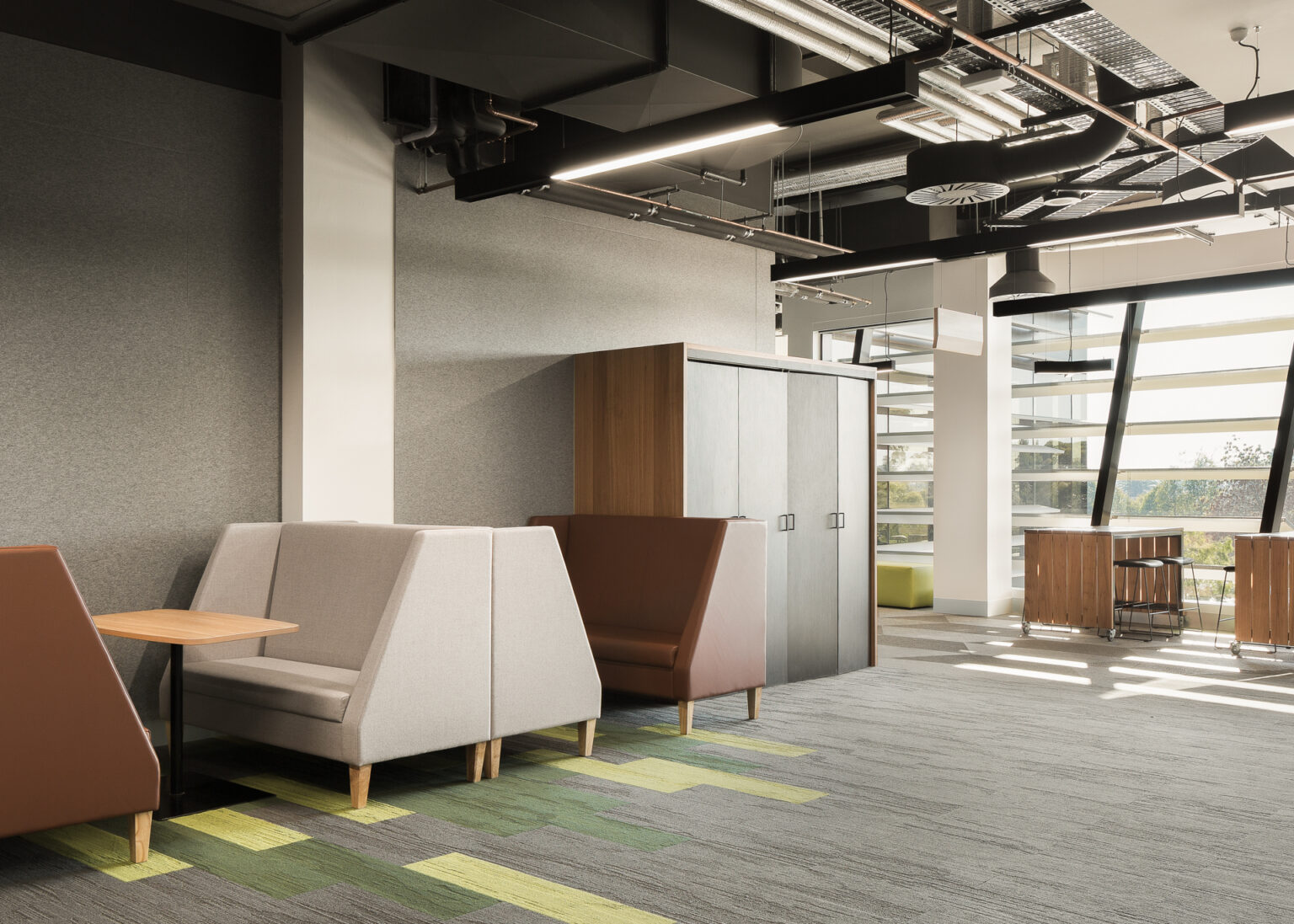
Learning environments are often designed for the eyes and ears, but touch plays an equally important role in grounding attention. Tactile experiences reduce restlessness and improve sensory regulation. Research shows that providing textured and soft materials such as felt panels, padded flooring, and natural fabrics helps regulate sensory input. These choices can lower anxiety and improve focus (Wang & Zhang, 2024)
Incorporating natural textures like timber, felt, and woven fabrics makes a classroom feel warmer and more inviting. Creating and designing inbuilt fidget tools, seats that move with students’ bodies allowing kids to be kids. Soft rugs and textured wall panels not only provide comfort but also absorb sound, supporting both acoustic and emotional wellbeing. These elements connect students to nature, creating a subtle biophilic effect that promotes calm and focus. Layering materials, such as combining wood furniture with fabric seating and cushioned flooring, creates an environment that feels safe and calm. Rather than forcing stillness, we create spaces that support and flow with students’ natural impulses, easing frustration and helping to reduce fidgeting.
Creating Spaces that Support Every Learner
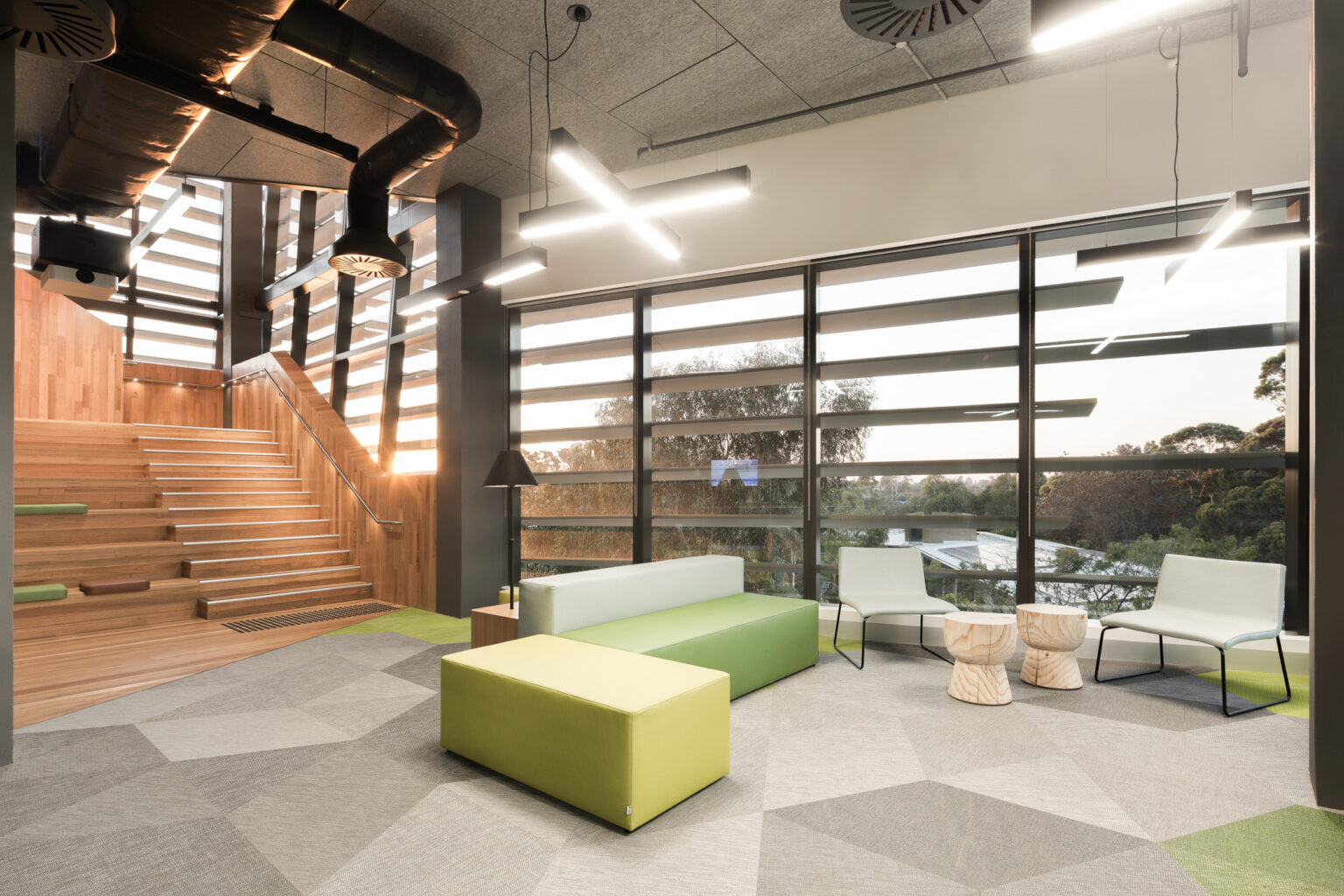
Noise, overstimulation, and a lack of sensory balance are common challenges in today’s classrooms, but they are not permanent. With thoughtful design, these issues can be transformed into opportunities to create environments that truly support learning. The right choices in acoustics, colour, zoning, and texture do more than improve aesthetics. They help students feel calm, stay engaged, and perform at their best.
At Sensa, we understand the science behind these choices and how to translate them into practical solutions for schools. Our team works closely with education providers to design and deliver spaces that reduce distractions, support emotional wellbeing, and foster focus for every learner. If you are ready to create classrooms that work as hard as your teachers and students do, we are here to help.