Beyond Classrooms: Why Third Spaces are the Secret to Student Growth
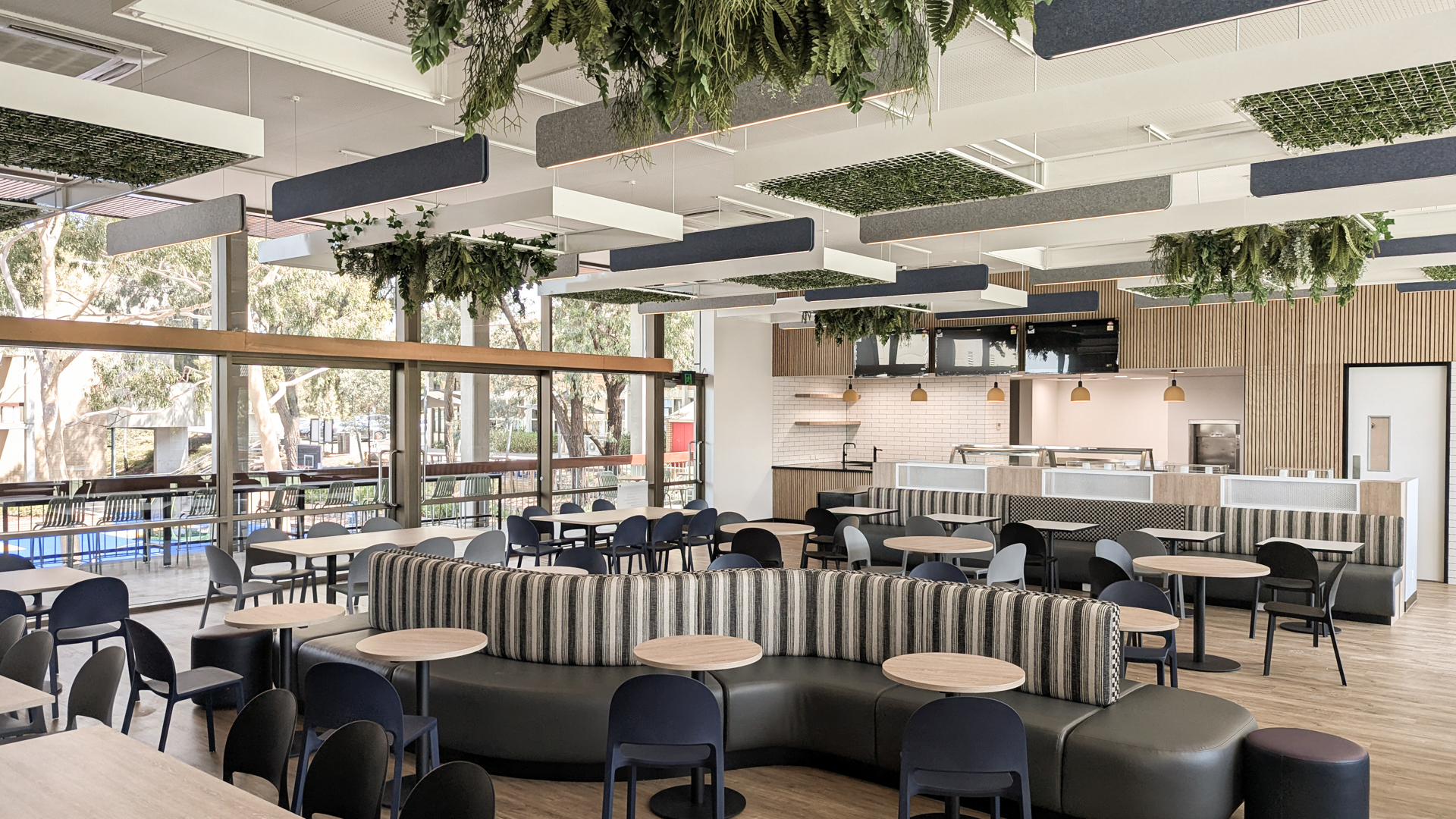
Learning does not begin and end at the classroom door. The spaces that surround and connect formal learning areas can be just as influential in shaping how students think, feel, and grow. When schools design these in-between places with intention, they create environments that inspire curiosity, nurture wellbeing, and build connection between peers that last a lifetime.
What Are Third Spaces?
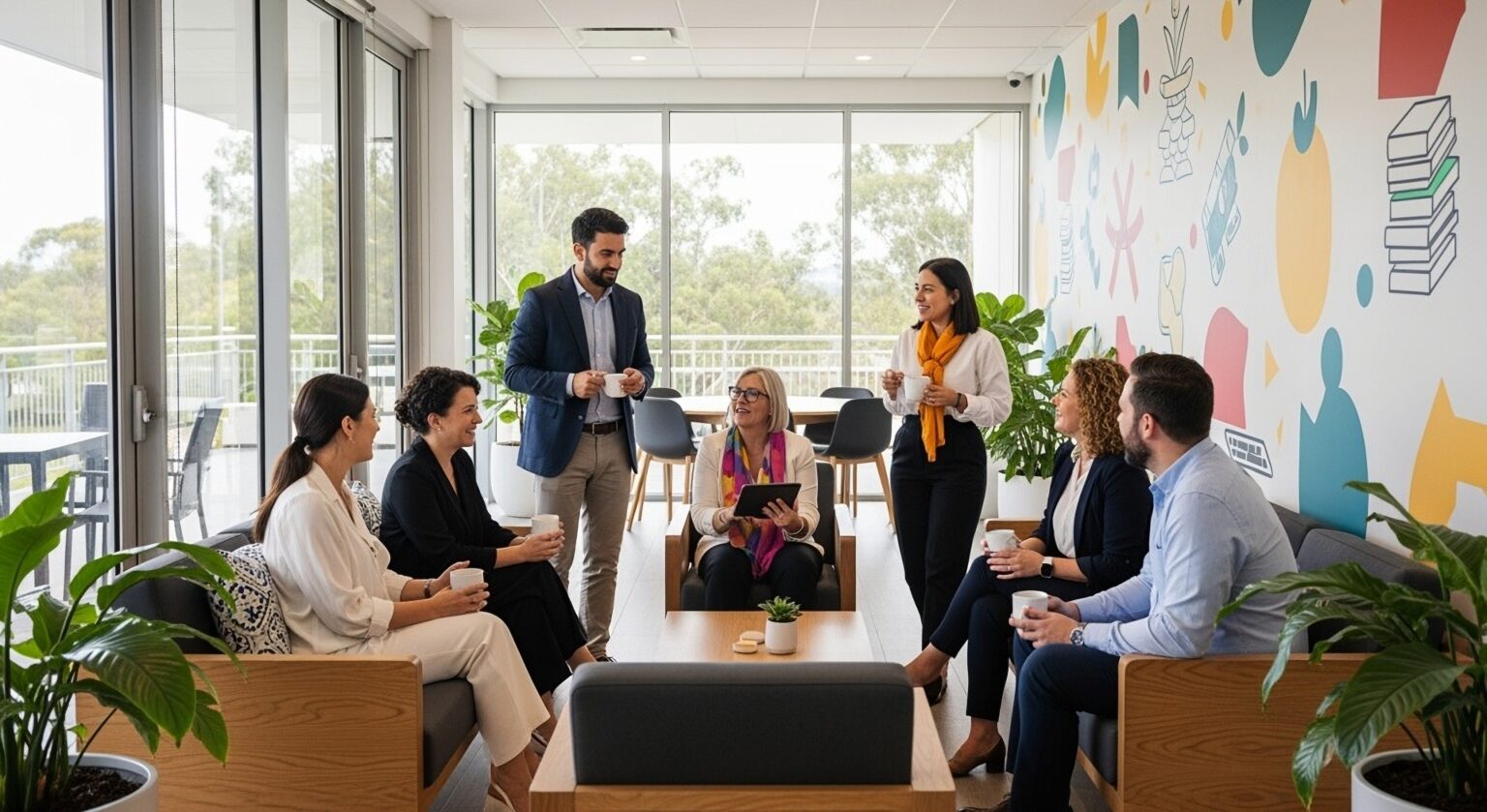
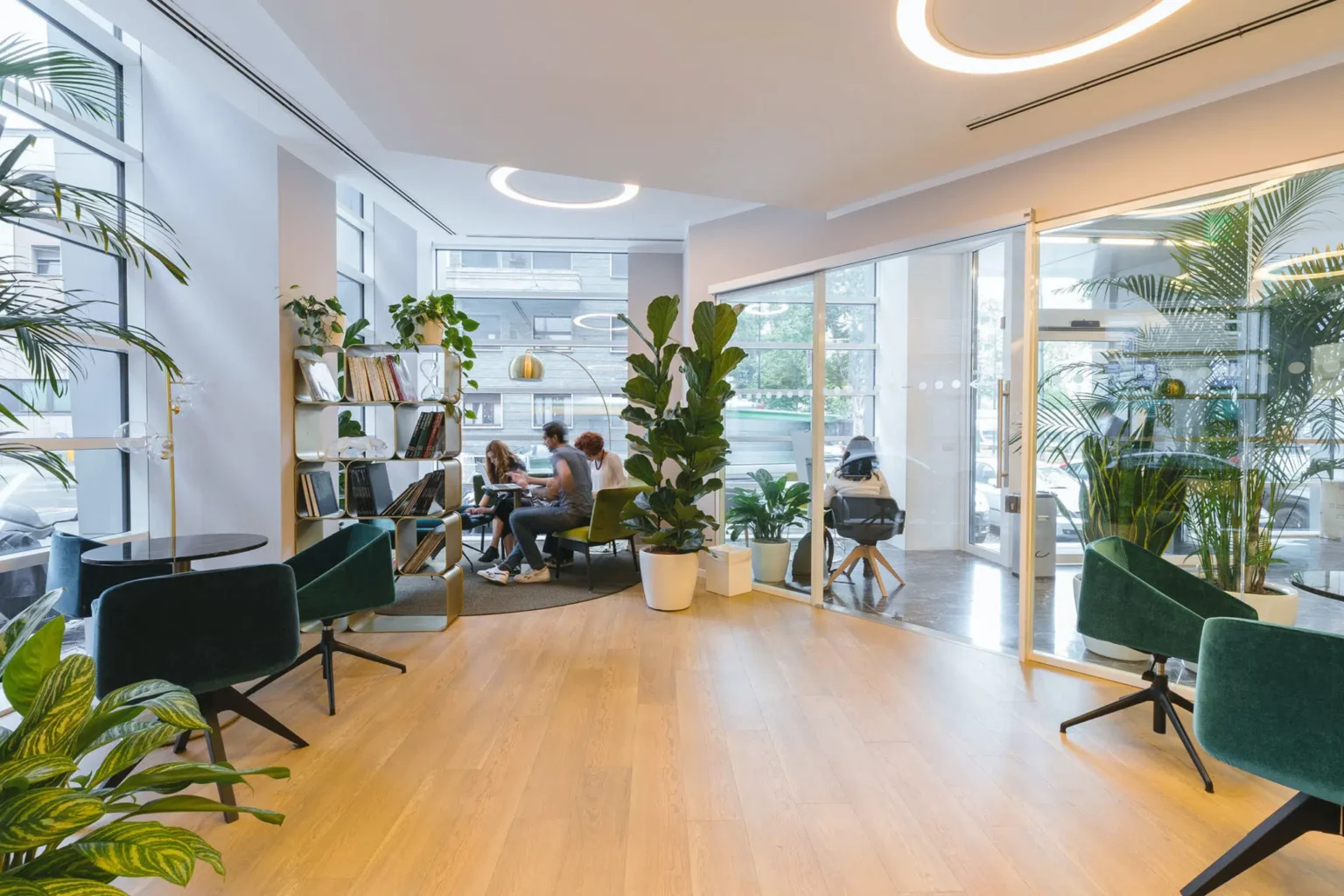
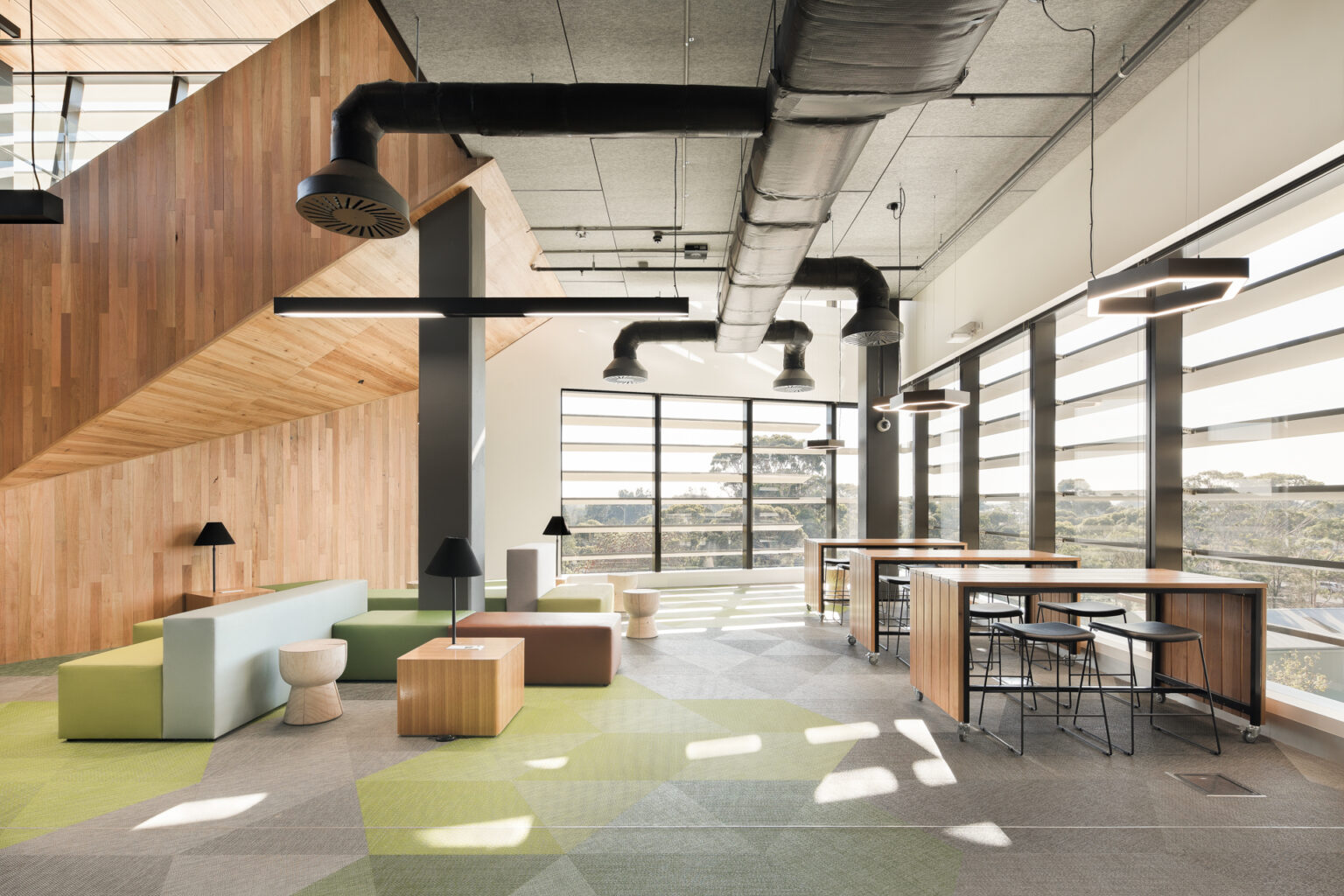
Third spaces are the places where learning happens beyond the traditional classroom. They can be a hallway filled with light, a quiet bench under a tree, a library corner that feels tucked away, or an open courtyard where students can talk and reflect. These areas are neither purely academic nor entirely recreational. Instead, they act as a bridge, offering a blend of social interaction, independent thinking, and creative collaboration. In these spaces, students often feel more relaxed and open, which helps ideas and conversations flow naturally.
Research confirms their value. A systematic review of outdoor and informal learning environments found that they increase student engagement, enhance social skills, and improve overall wellbeing. Students in such spaces also show stronger connections with their peers and a greater sense of ownership over their learning journey (Frontiers in Public Health). When schools design with third spaces in mind, they create an environment where personal growth and academic achievement work together in harmony.
Movement, Nature and Neuroplasticity
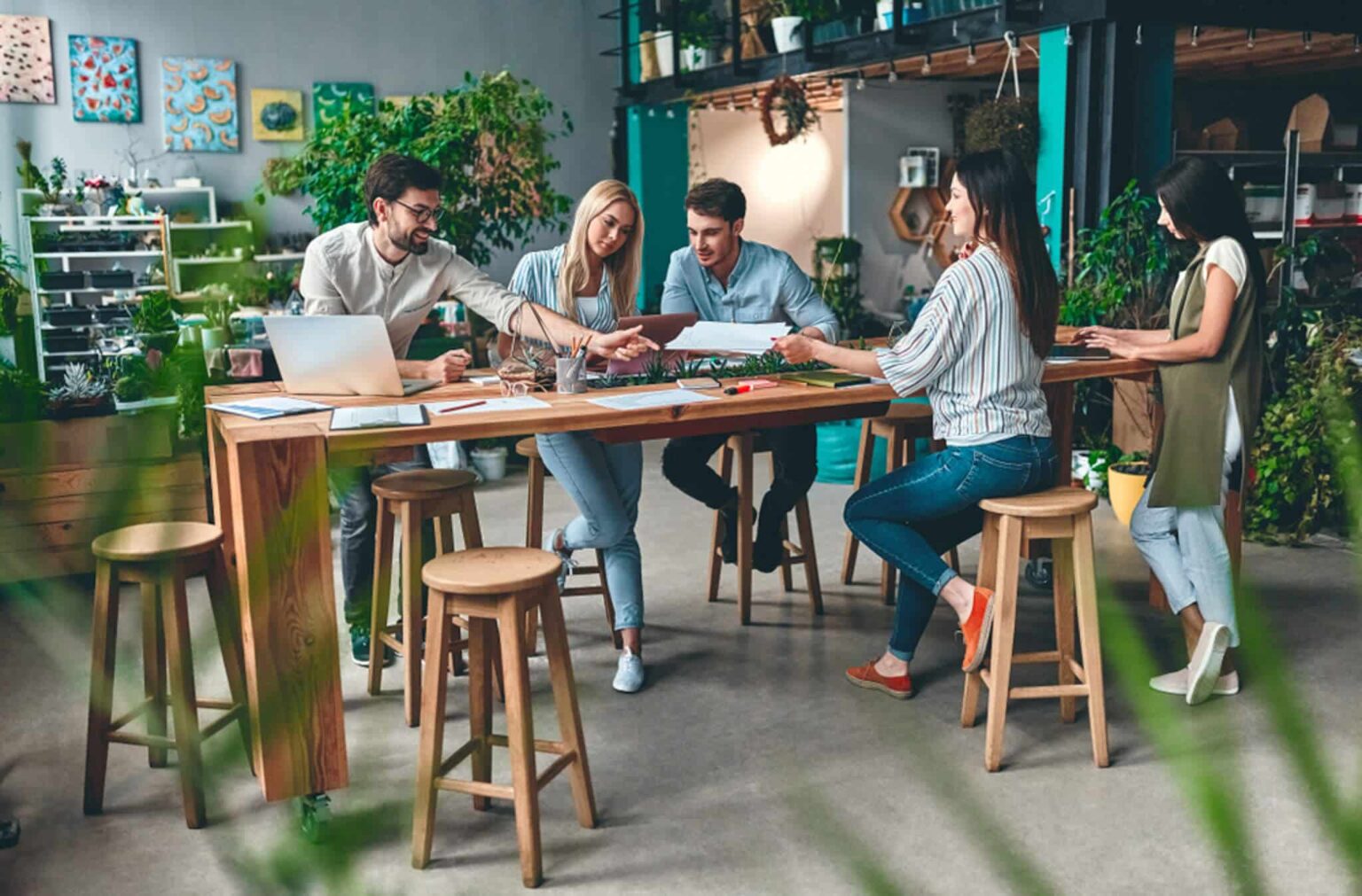
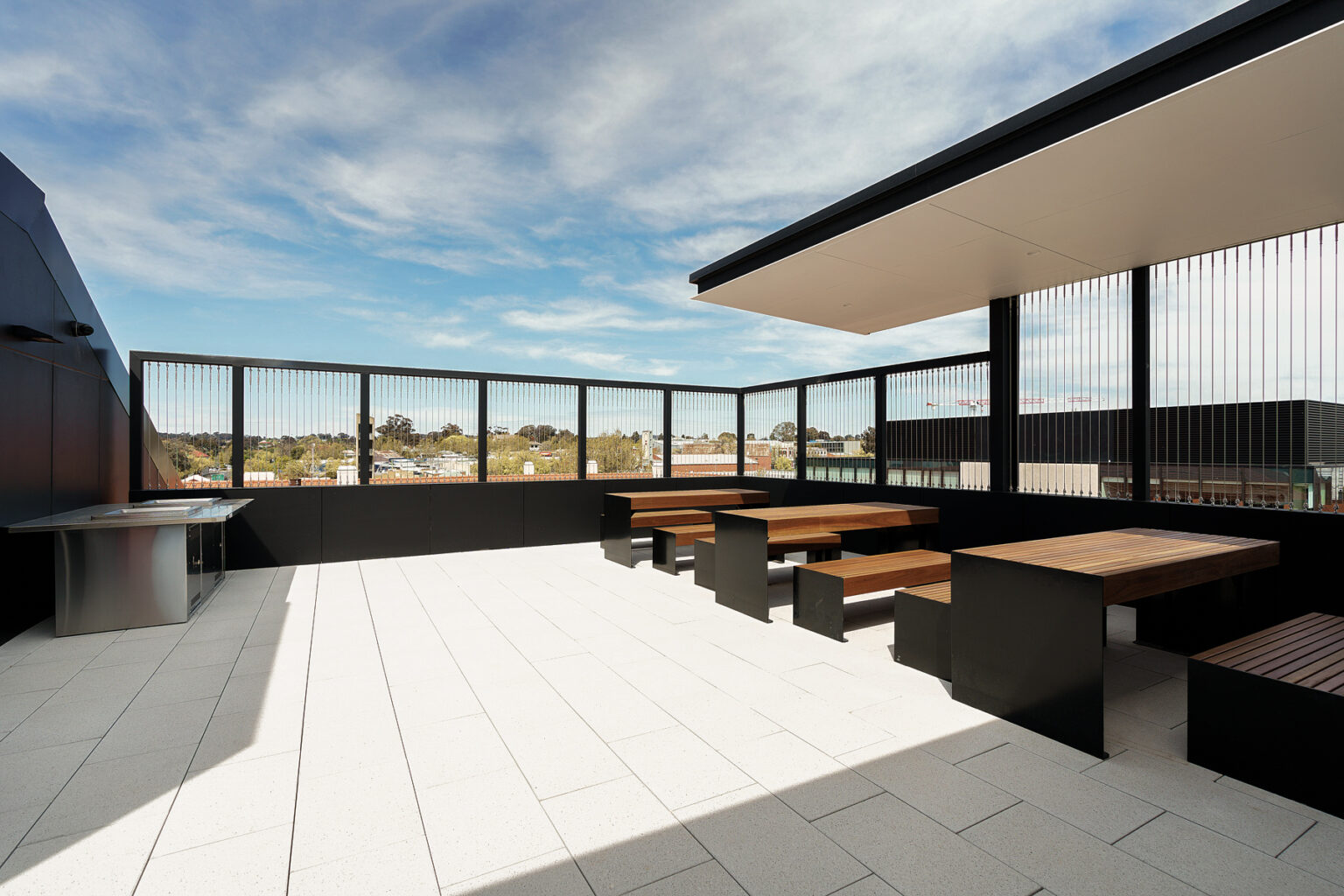
The human brain is designed for variety, movement, and sensory stimulation. Bringing elements of nature into learning spaces activates different neural pathways, supports mental flexibility, and restores focus. Outdoor areas or interiors inspired by natural forms give students opportunities to move, shift perspectives, and experience changes in height, texture, and light. These moments of variation keep the brain alert and receptive.
Evidence shows that short term exposure to natural environments can significantly improve directed attention and reduce mental fatigue. In a review of fourteen studies, twelve reported measurable improvements in focus and cognitive performance following exposure to nature (Educational Psychology Review). Another meta analysis found that outdoor learning boosted psychological wellbeing, social connection, and environmental awareness in students (MDPI Education Sciences). These findings suggest that schools can improve academic and emotional outcomes simply by integrating more natural and movement friendly spaces into the day.
Borrowing Space Planning Ideas from the Workplace: Choice Matters
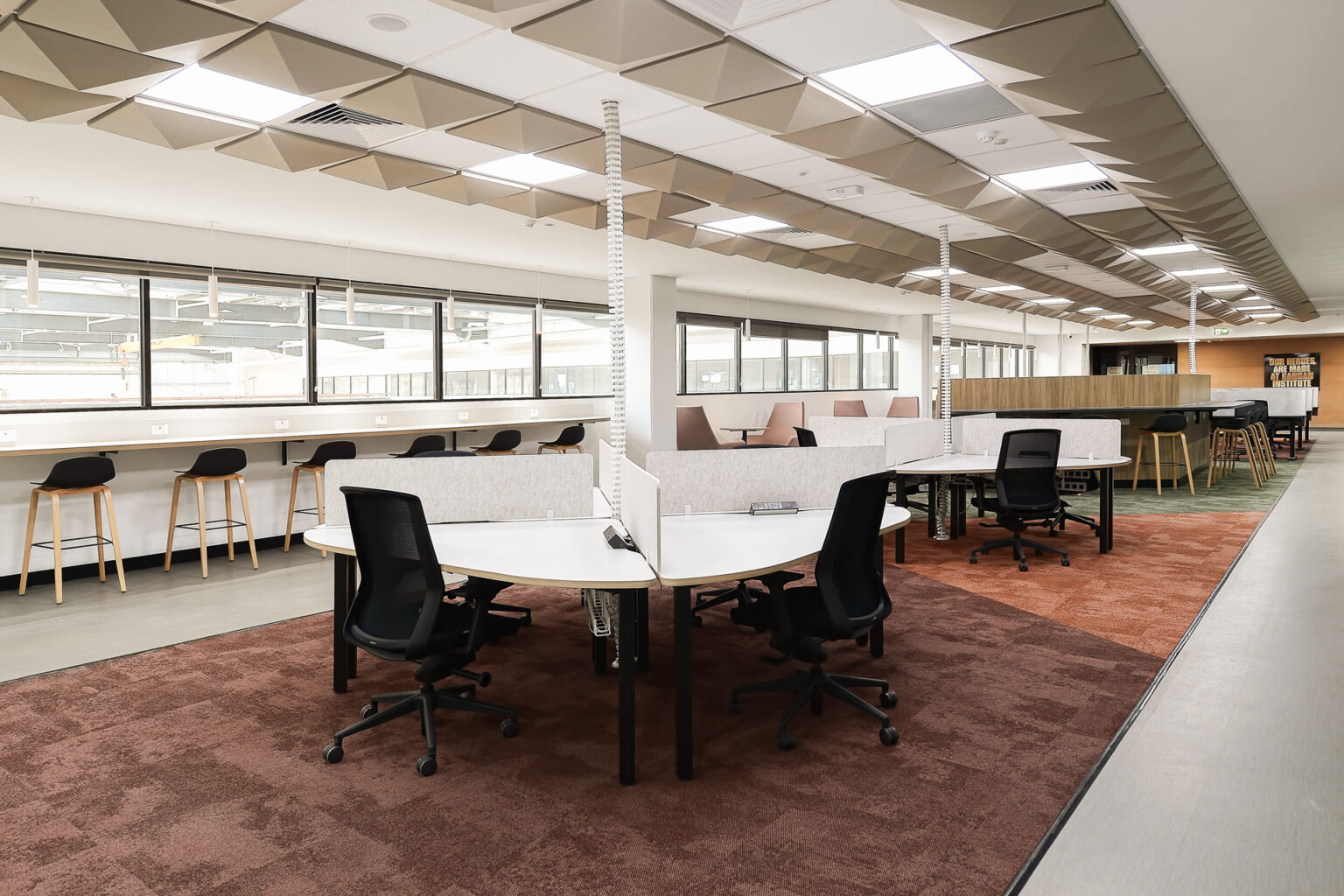
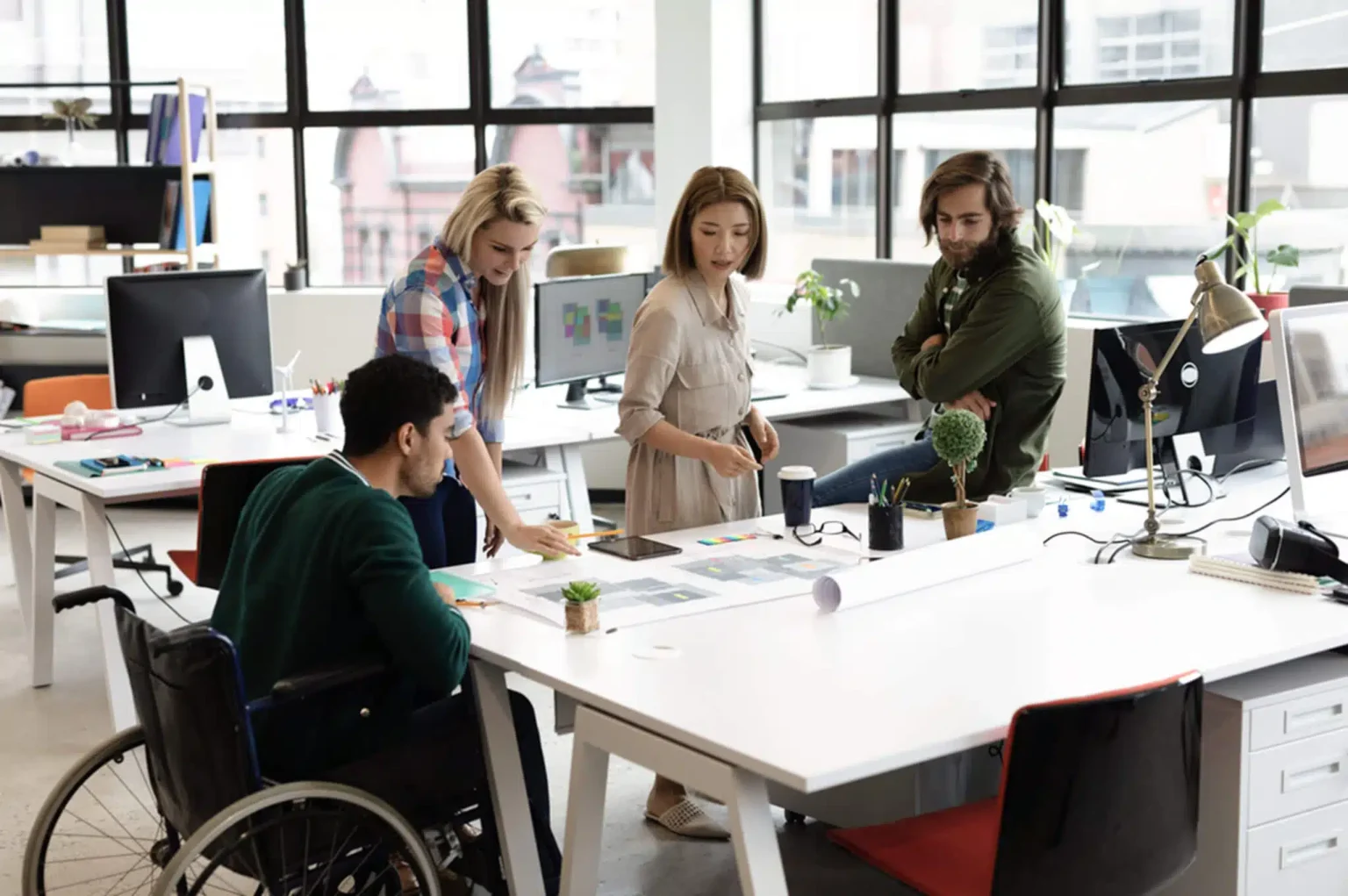
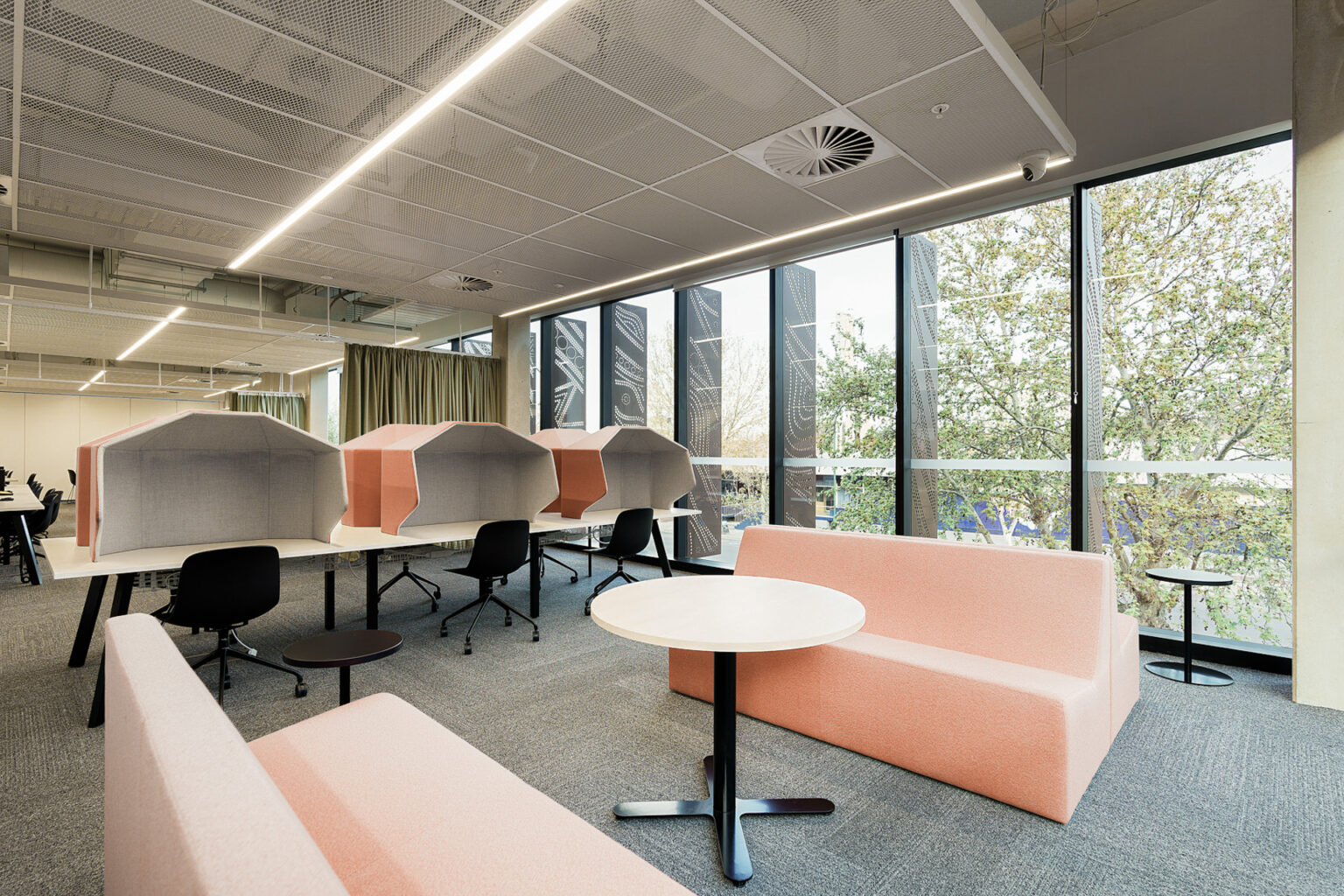
Workplaces have evolved to give employees more choice over where and how they work and students deserve the same. Offering a range of seating and work options, such as standing desks, high stools, bean bags, soft rugs, or window seats, allows students to discover where they feel most focused and comfortable. This freedom to choose fosters a sense of ownership over the learning process.
Research from the journal Mind Brain and Education demonstrates that providing students with meaningful choice supports intrinsic motivation and improves academic performance (ERIC). In a field experiment with 432 secondary students in the Netherlands, greater autonomy led to improved planning, better task orientation, and stronger process evaluation skills (ERIC). When students feel trusted to decide how and where they learn, they develop not only knowledge but also the self regulation and independence needed for lifelong learning.
The Gym is Not Just for PE
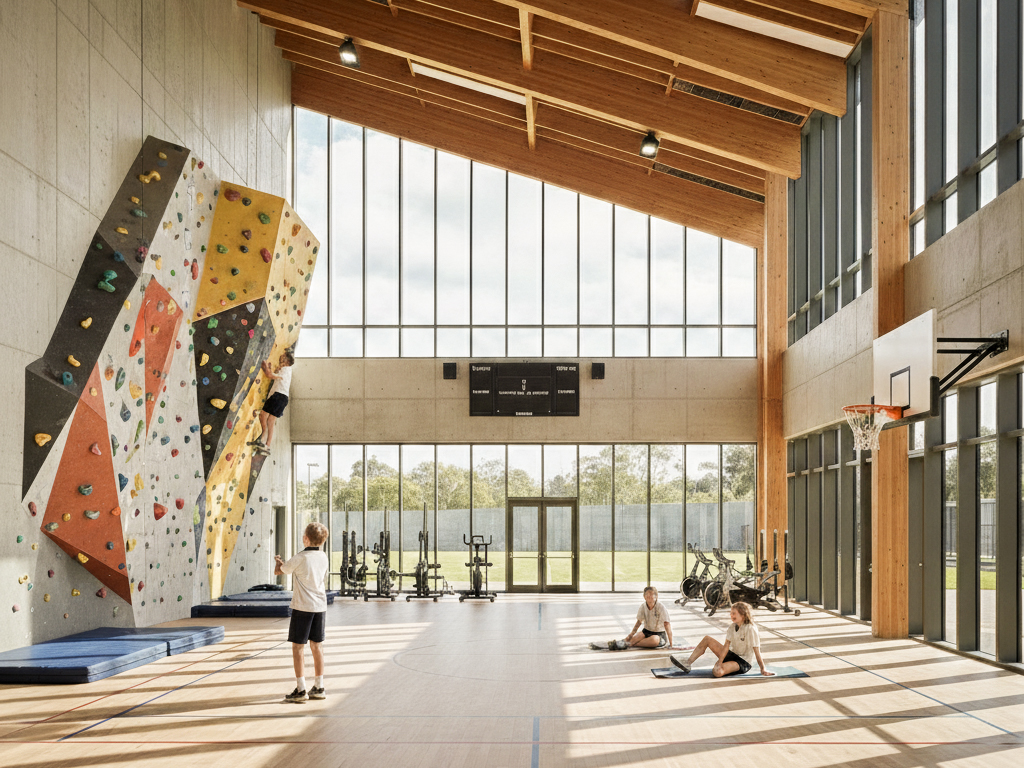
Physical activity benefits the mind as much as the body. While gyms are often reserved for sports, they can be reimagined as multi purpose spaces for learning and mental reset. Sensory areas can offer a calming environment for students who need a moment to recharge, while mindfulness corners can help others prepare for focused work. Movement based activities can even be integrated into academic lessons, bringing a dynamic energy into subjects that are often taught seated.
Australian research reinforces the value of this approach. A study led by the University of Sydney found that integrating physical activity into lessons produced significant gains in student performance and engagement without reducing curriculum time. Activities as simple as jumping on the spot to answer a question or moving between learning stations improved both attention and academic outcomes (Frontiers in Pediatrics, University of Sydney). By rethinking the role of the gym and using it to support both movement and mental engagement, schools can create spaces that enhance academic success, personal wellbeing, and a love of learning.
Beyond the Classroom Walls
True learning reaches further than lesson plans. Schools that design for connection, choice, and movement build a culture where students feel empowered to explore, collaborate, and reflect. The spaces between classrooms become opportunities for growth, helping students develop skills that last long after their school years. At Sensa, we partner with education providers to shape these environments with thoughtful design and construction that supports both teaching and students wellbeing, creating spaces where students and teachers can thrive together.