Workplace Design for Talent Retention: What HR Leaders Must Consider in 2026
Keeping great people has never been harder. Across Melbourne and Australia, HR leaders are navigating skills shortages, evolving employee expectations and a workforce that is far more discerning about where and how they work.
What has become increasingly clear is this. Retention is no longer driven by policies alone. The physical workplace now plays a meaningful role in whether people feel connected, supported and motivated to stay.
In 2026, the office is not just a place people go. It is a signal of how much an organisation values its people.
Hybrid Work is No Longer a Question
Hybrid work is now embedded in Australian working life. It is no longer an experiment or a temporary response. According to the Australian Bureau of Statistics, 36% of employed people in Australia usually work from home, with higher concentrations across professional, knowledge based workforces.
A longitudinal study published in the Journal of Vocational Behavior found that employees who have greater autonomy over where they work report higher job satisfaction and significantly lower intentions to leave their organisation. When people feel trusted to choose how and where they work best, their commitment to the organisation strengthens.
As a result, the office can no longer rely on obligation alone. When much of the work can be done elsewhere, attendance becomes a choice. The office shifts from being the default place people go to a deliberate destination people choose.
This changes the conversation for HR leaders. The workplace is no longer about enforcing attendance or visibility. It is about designing environments with clear purpose. Spaces that support collaboration, learning, connection and culture. Spaces that make coming together feel worthwhile.
In 2026, the most effective offices will not demand presence. They will earn it.
People Stay for Experience, Not Attendance
The days of measuring workplace success by desk occupancy or attendance targets are fading fast. Presence alone tells us very little about engagement, performance or retention. What matters far more is how people feel when they are in the space and whether the environment genuinely supports the work they are there to do.
Academic research reinforces this shift. A large scale meta analysis published in Personnel Psychology found that positive workplace environments are strongly associated with higher employee engagement and significantly lower voluntary turnover, regardless of role, tenure or seniority.
This finding is important for HR leaders because it separates presence from value. Simply bringing people into the office does not create commitment. Engagement grows when the environment enables focus, collaboration, learning and psychological safety.
Employees do not stay because they are told to be present. They stay because the workplace helps them do meaningful work, feel supported and connect with others in purposeful ways.
When workplaces are designed around real work patterns rather than assumptions, the office becomes a place people choose to return to.
Belonging is a Powerful Retention Driver
One of the strongest predictors of retention is something that cannot be mandated. Belonging.
Research published in Harvard Business Review found that employees who experience a strong sense of belonging at work show a 50% reduction in turnover risk, alongside higher performance and engagement. Research from Gallup had a similar conclusion. Employees who report a strong sense of belonging are significantly more engaged, more productive and far less likely to be actively looking for another job. Gallup’s global workplace studies consistently link low belonging with higher turnover and burnout risk.
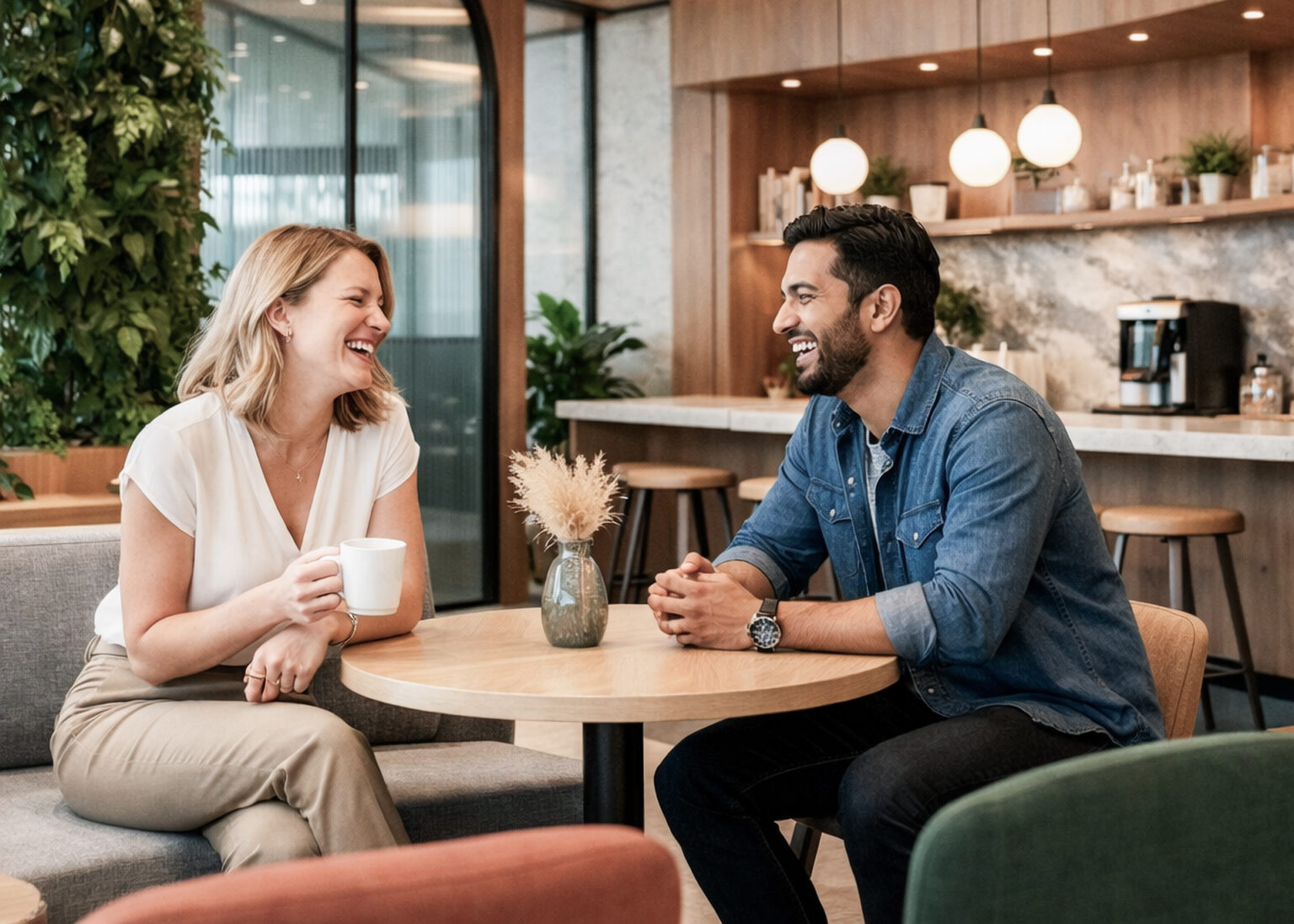
Workplace design plays a quiet but powerful role here. Spaces that encourage informal conversations, mentoring and shared routines help relationships form naturally. This is especially important in hybrid environments where connection does not happen by default.
Design Must Support Focus and Collaboration
Knowledge work is cognitively demanding. People need different environments at different moments of the day.
A study published in Applied Psychology found that employees with access to varied work settings experienced better concentration, lower mental fatigue and stronger engagement compared to those in uniform open plan offices.
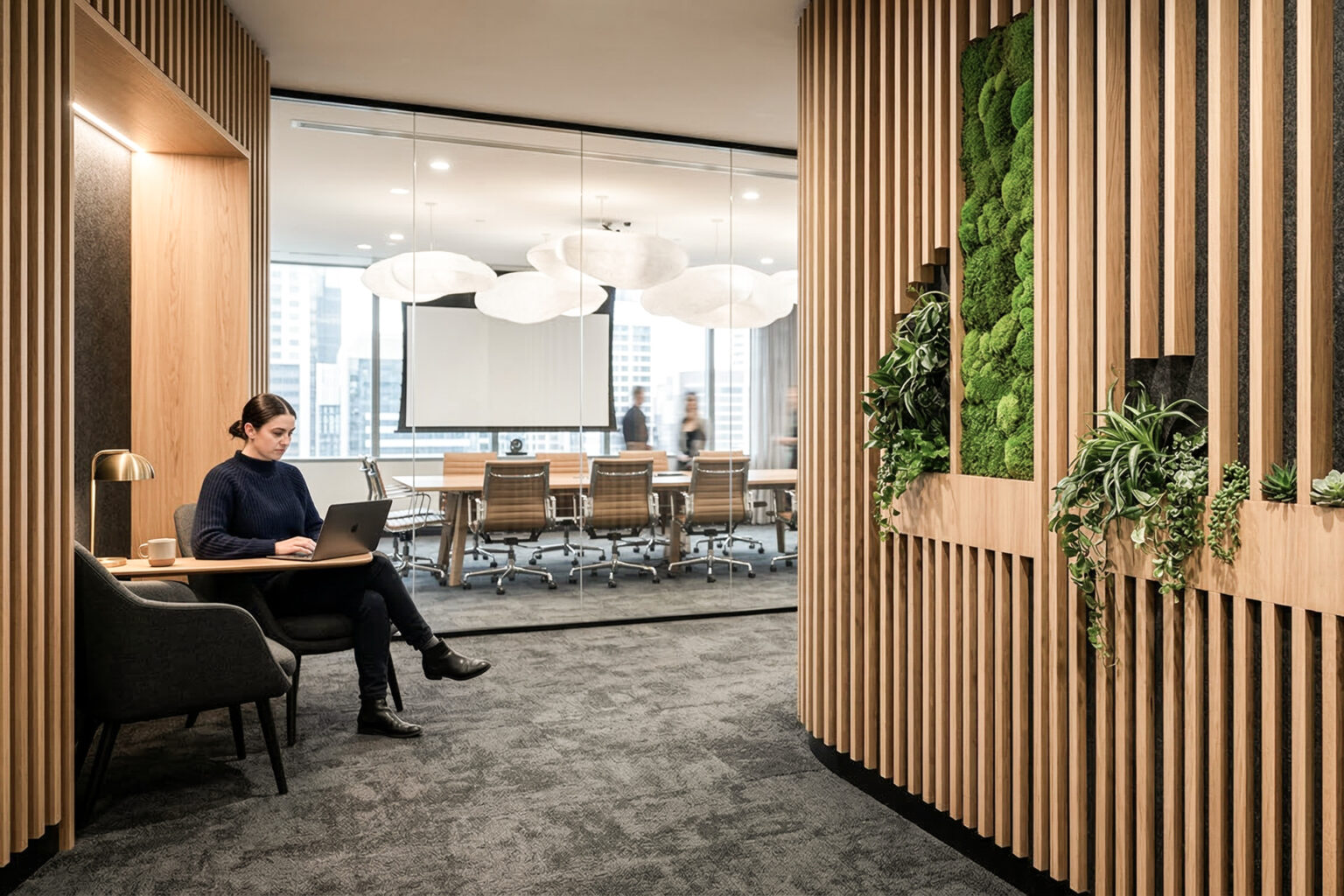
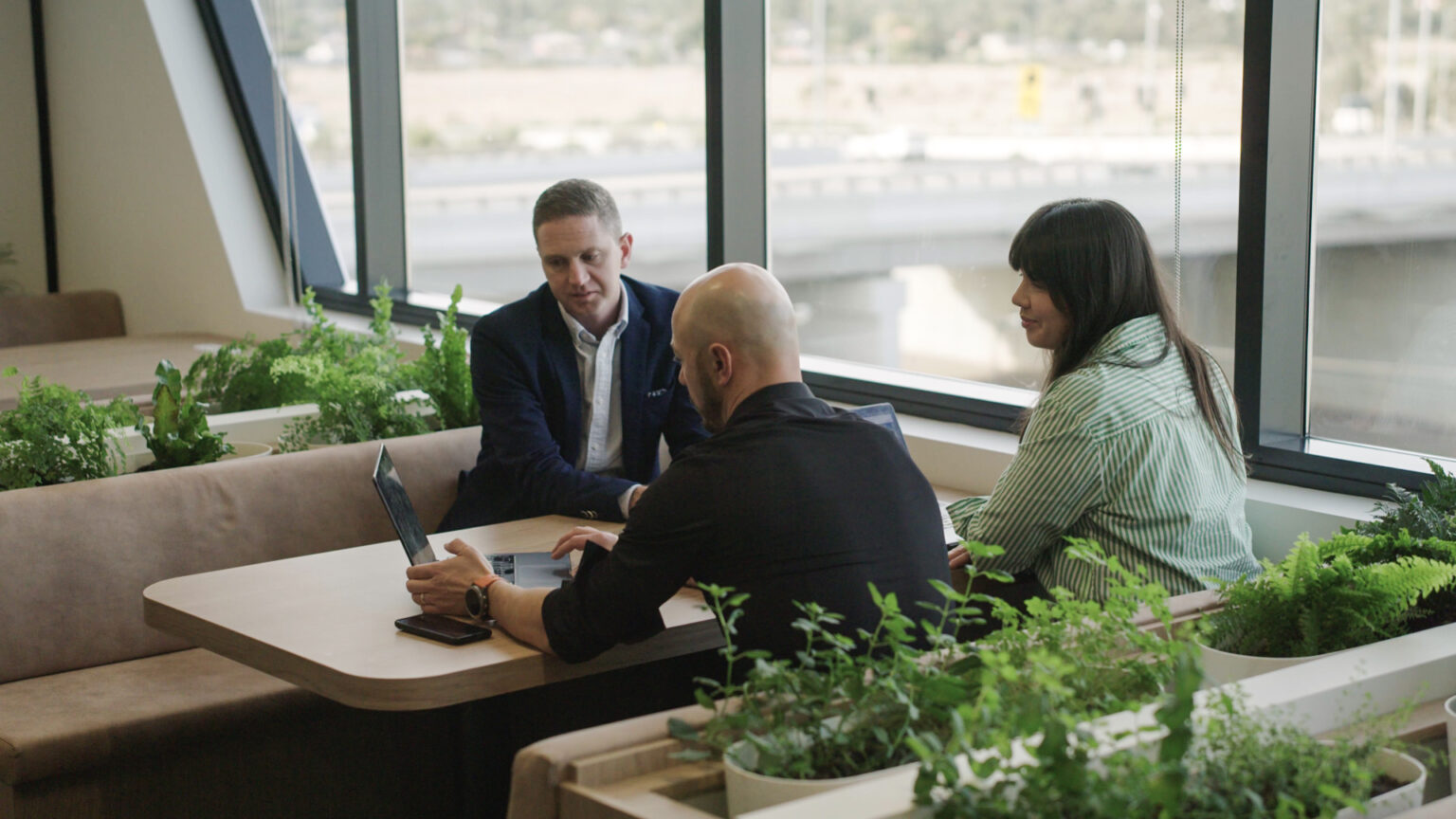
This reinforces the importance of choice. Quiet spaces for deep work sit alongside collaborative areas for problem solving and learning. When people can move between these settings, they perform better and feel more supported.
This is not about trends. It is about aligning space with how people actually think and work.
Wellbeing is Not Optional
Wellbeing is a critical factor in whether people stay or leave. It is no longer just a nice idea. The World Health Organization recognises burnout as an occupational phenomenon linked to unmanaged workplace stress, which is closely associated with disengagement and increased intention to leave.
As work becomes more intense, workplaces must actively support focus, recovery and mental health. Design plays a central role in creating environments that help people sustain performance over time.
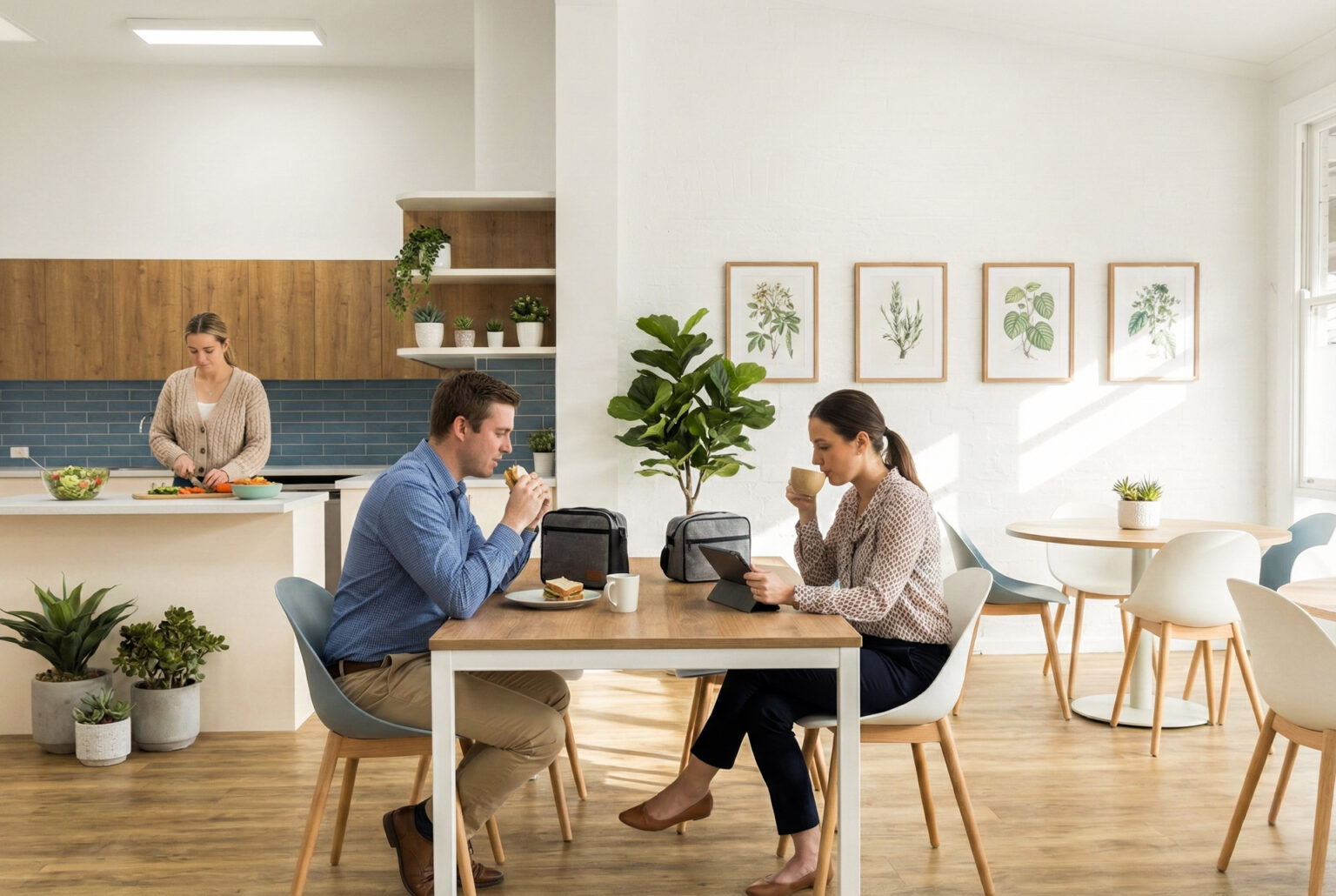
Australian research into eudaemonic design shows that workplaces which intentionally support comfort, sensory balance and human centred ergonomics contribute to deeper psychological wellbeing, not just reduced stress. Access to natural light, controlled acoustics and physically supportive environments help people feel more capable, focused and fulfilled at work.
Making the Retention Case Clear
Replacing people is expensive. Research estimates that replacing a professional employee can cost between 50% and 200% of their annual salary, depending on the role. When workplace design reduces turnover even slightly, the return is significant. Retention driven design supports continuity, capability and organisational knowledge.
This is where HR leaders have real influence. By framing workplace decisions as people strategy rather than facilities spend, design becomes a lever for long term value.
What This Means for 2026
The research is clear. People stay where they feel supported, connected and able to do their best work.
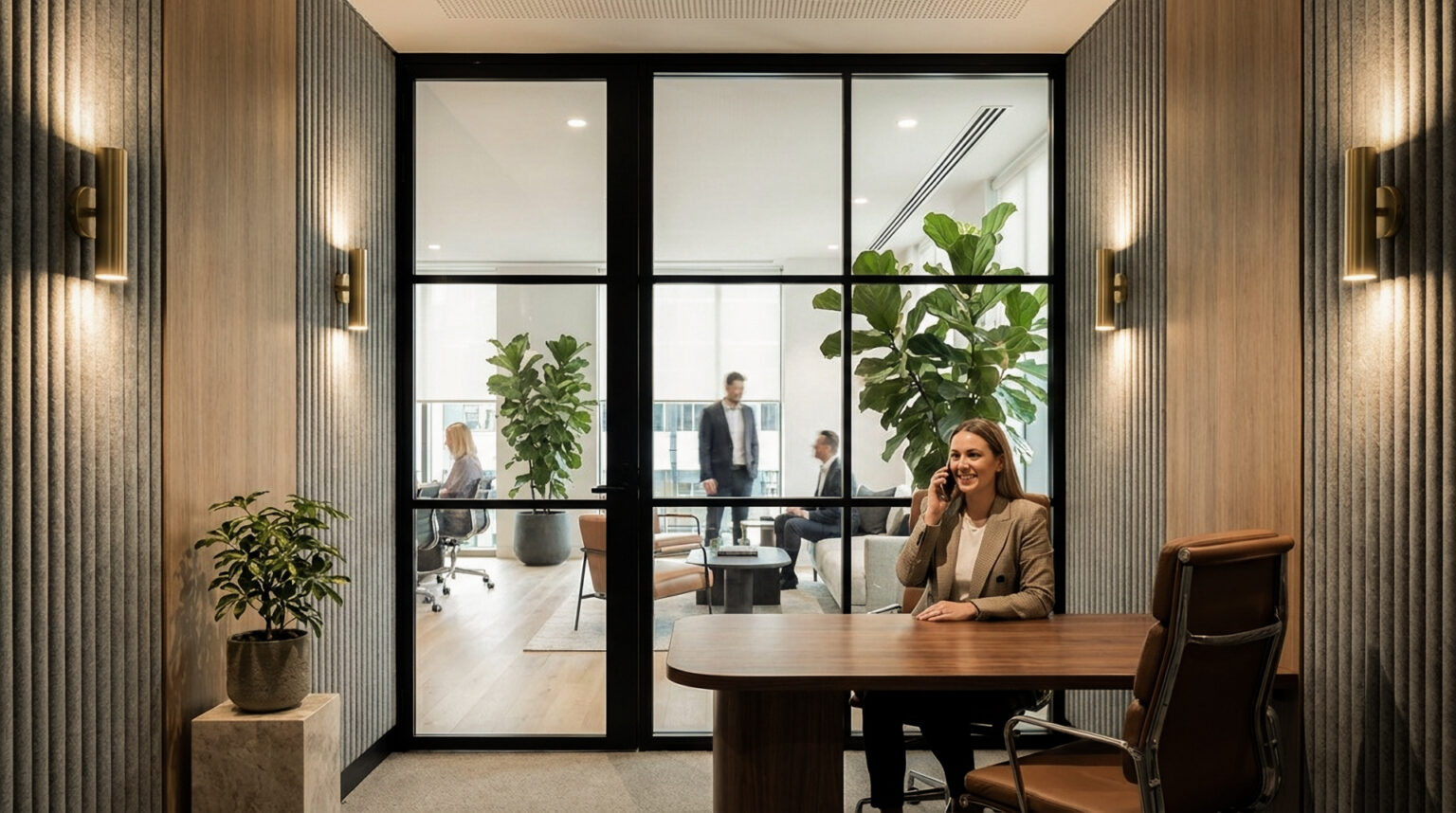
In 2026, the most effective workplaces will not be the most impressive. They will be the most thoughtful. Designed around human behaviour, wellbeing and connection.
Workplace design is no longer a background decision. It is a retention strategy.
At Sensa, we work closely with HR leaders to translate research into environments that genuinely support people and performance. If your workplace no longer reflects how your teams work today, it may be time to ask what your space is really doing for your people.