Office Interior Design Essentials: The Elements Every High-Performing Workspace Needs
The best office interior design choices balance functionality, comfort, and human behaviour. As work becomes more flexible and people-centred, design has moved well beyond rows of desks and boardrooms. Today’s workplaces must support focus, collaboration, wellbeing, and technology.
Essential office interior design elements for every productive workspace include ergonomics, zoning, acoustics, and technology integration. Together, these principles create offices that are not only visually appealing but genuinely effective for the people who use them every day.
Ergonomics: Supporting Comfort, Health, and Performance
Good workspace design puts people first. When wellbeing is prioritised, productivity will follow. Incorporating best-practice ergonomics in the workplace prevents discomfort and fatigue, reducing burnout, abseenteeism, and turnover rates. The result? An improvement in employee performance and productivity
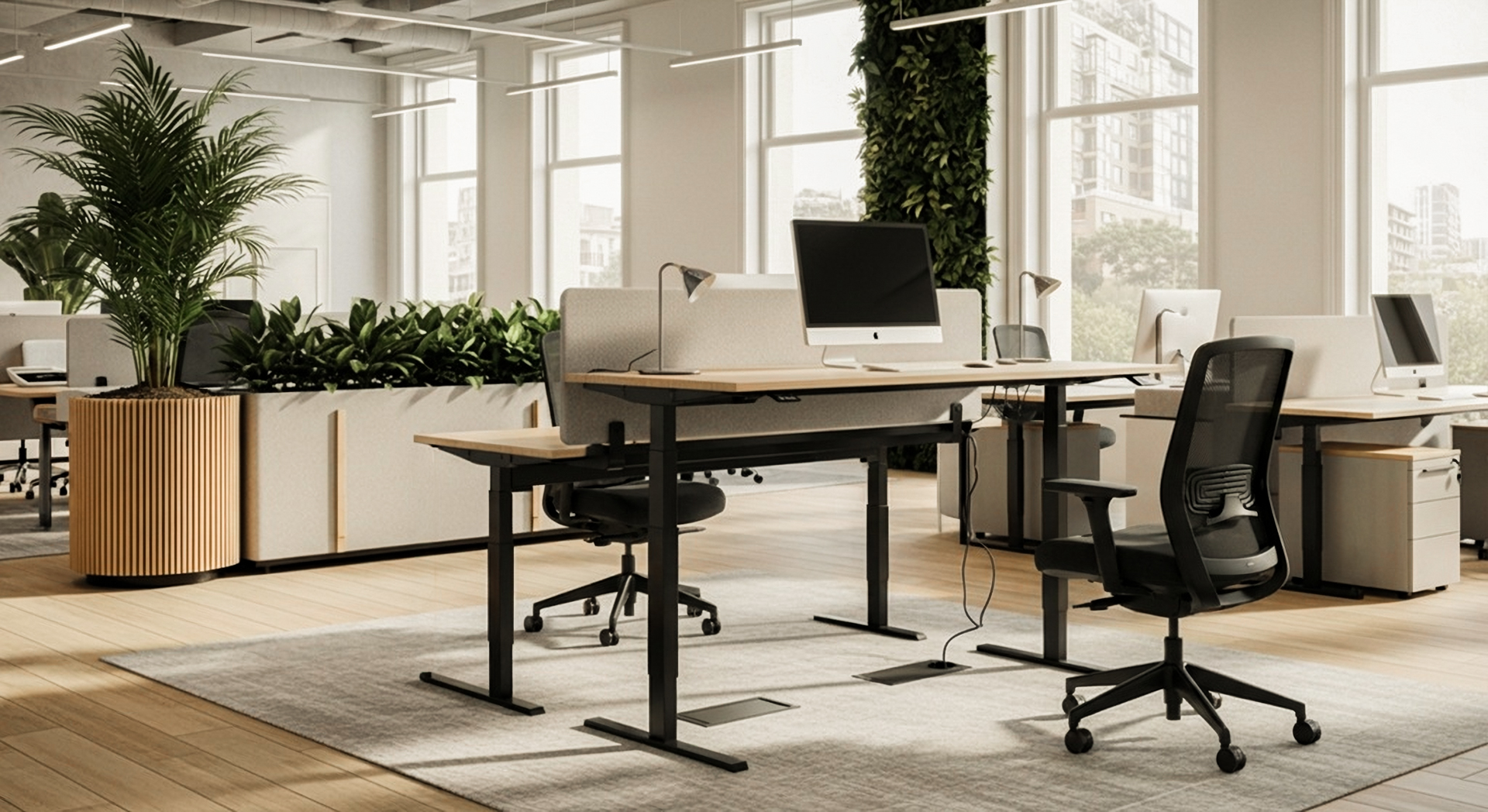
At its core, ergonomic office interior design prioritises adjustability. Sit-stand desks, supportive task chairs, monitor arms, and footrests allow individuals to tailor their workstation to suit their body and working style. This flexibility encourages movement throughout the day and helps reduce strain on the neck, shoulders, and lower back.
Ergonomics extends beyond furniture. Desk spacing, circulation paths, and storage placement all influence how comfortably people can move and work. Lighting, such as natural light and adjustable settings, minimises glare and eye strain.
When ergonomics is embedded into office interior design from the outset, it supports healthier work habits and signals that employee wellbeing is a genuine priority, not an afterthought
Zoning: Designing for Different Ways of Working
Well-designed offices recognise that people need different environments depending on their current task. This is where zoning becomes essential.
Effective office zoning typically includes a mix of:
- Focus zones for quiet, individual work
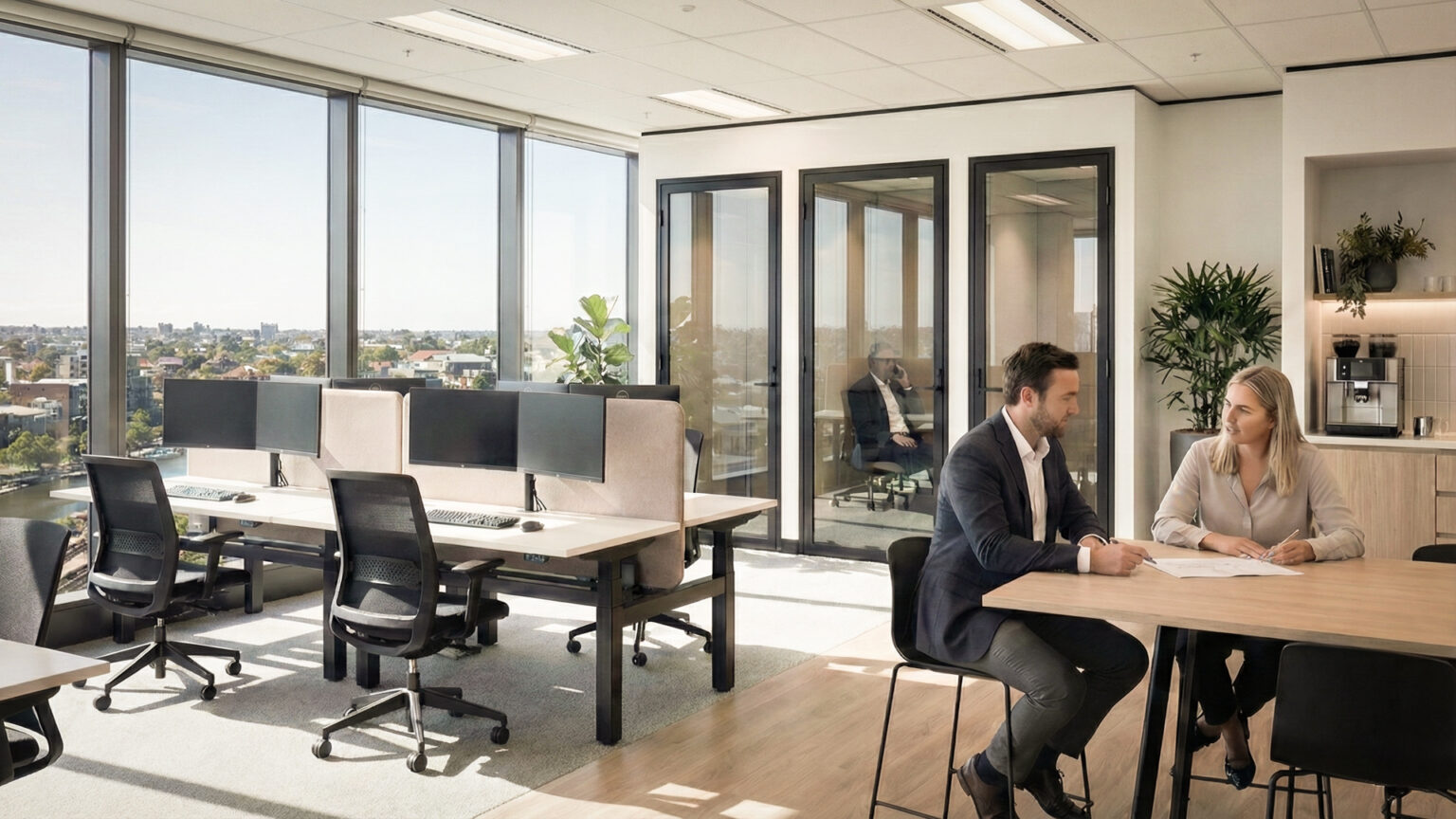
- Collaboration zones for teamwork, workshops, and informal discussions
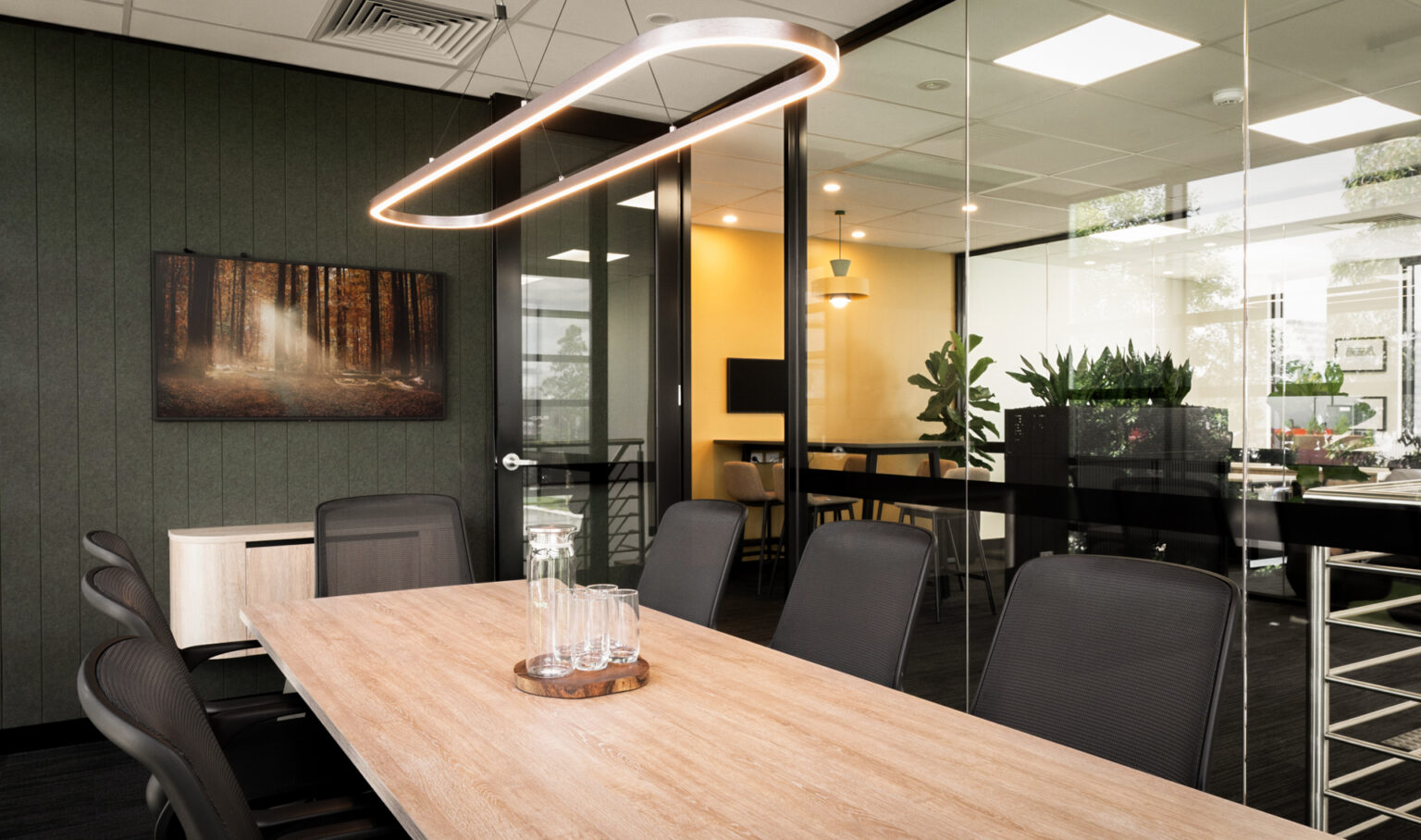
- Meeting rooms designed for structured conversations and hybrid calls
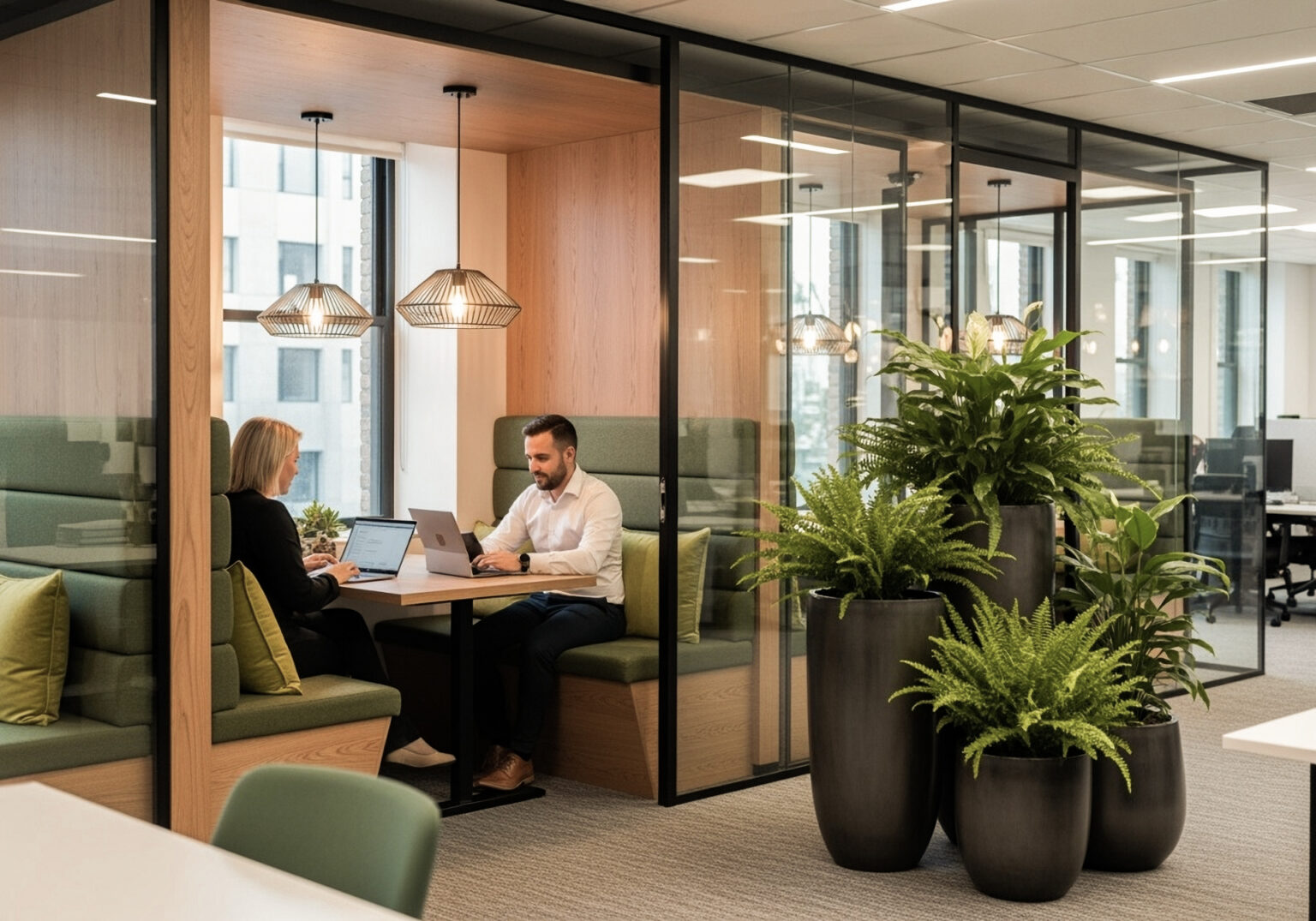
- Breakout and social areas that support rest, connection, and informal interaction
Clear zoning reduces friction in the workplace. It helps people choose the right environment for their task, rather than trying to force every activity into the same space. This clarity improves productivity while reducing distractions and frustration.
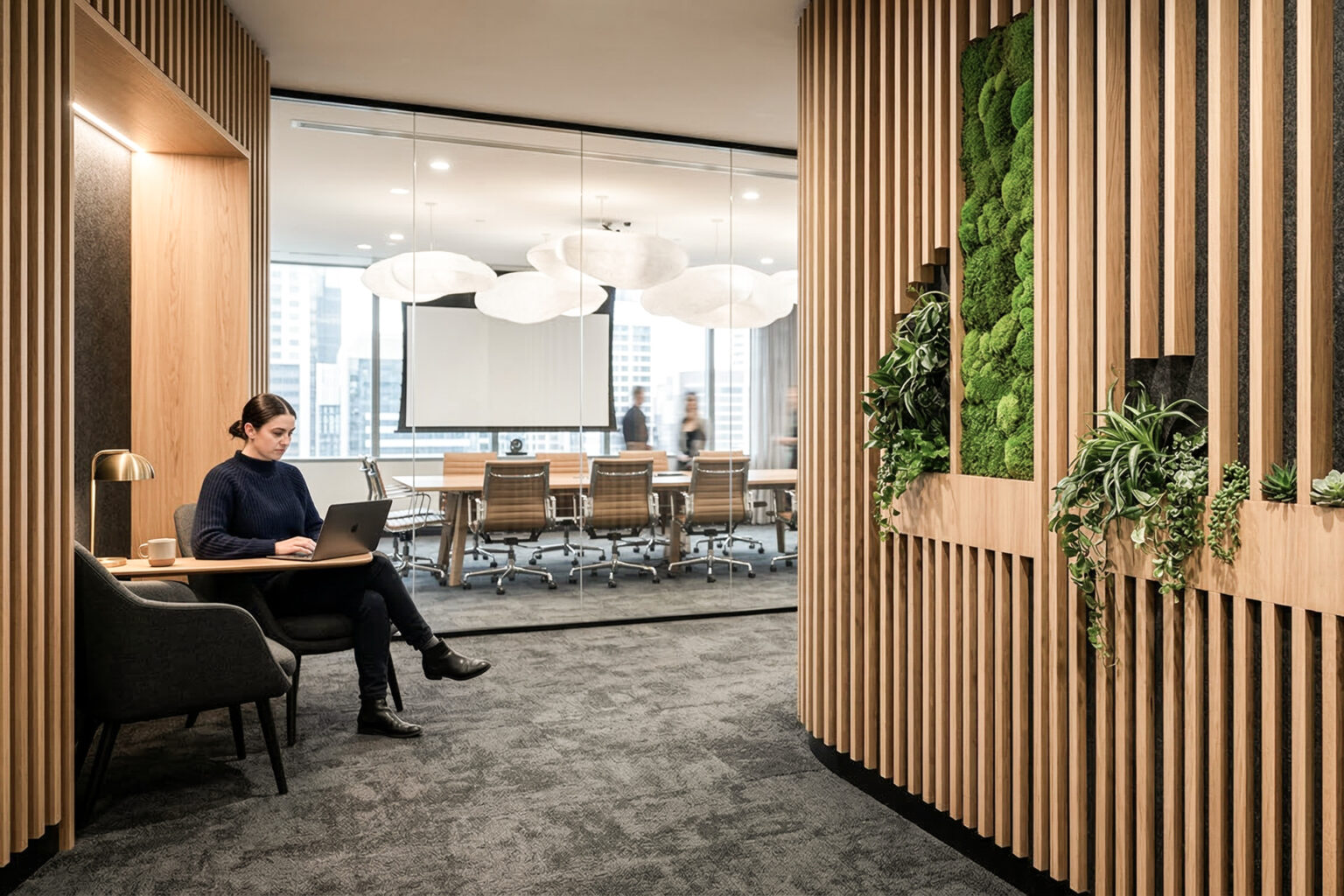
Zoning does not always require permanent walls. Changes in furniture layout, flooring materials, ceiling treatments, and lighting can define areas while maintaining openness and visual connection. The key is ensuring each zone has a clear purpose and supports the behaviours it is designed for.
Acoustics: Controlling Noise Without Killing Energy
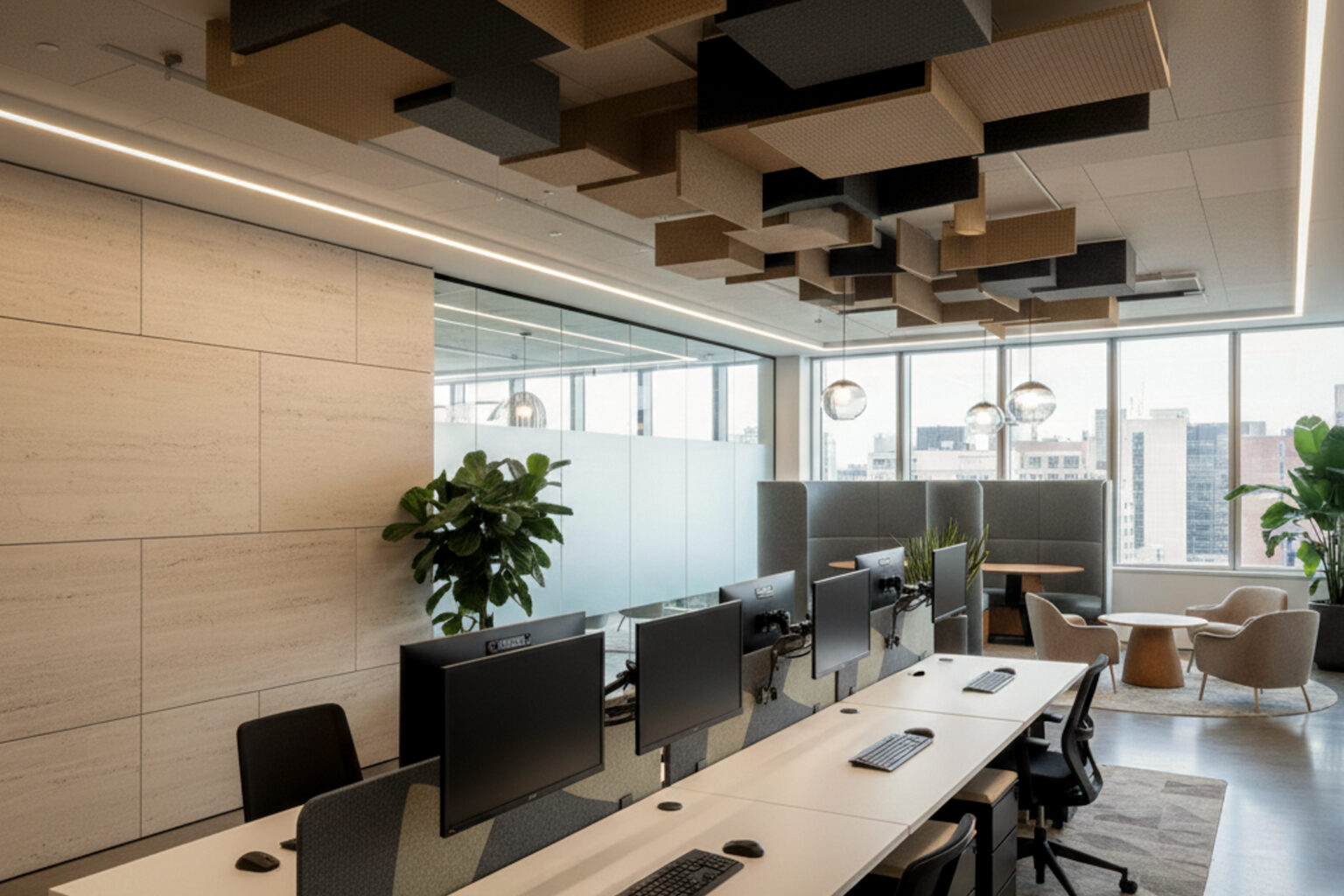
Noise is one of the most common challenges in office environments, particularly in open-plan layouts. Without proper acoustic planning, sound travels easily, disrupting concentration and increasing cognitive fatigue.
Good acoustic design starts with material selection. Hard surfaces such as glass and concrete reflect sound, while softer finishes absorb it. Good office interior design uses a considered mix of both materials to control noise while maintaining a lively atmosphere.
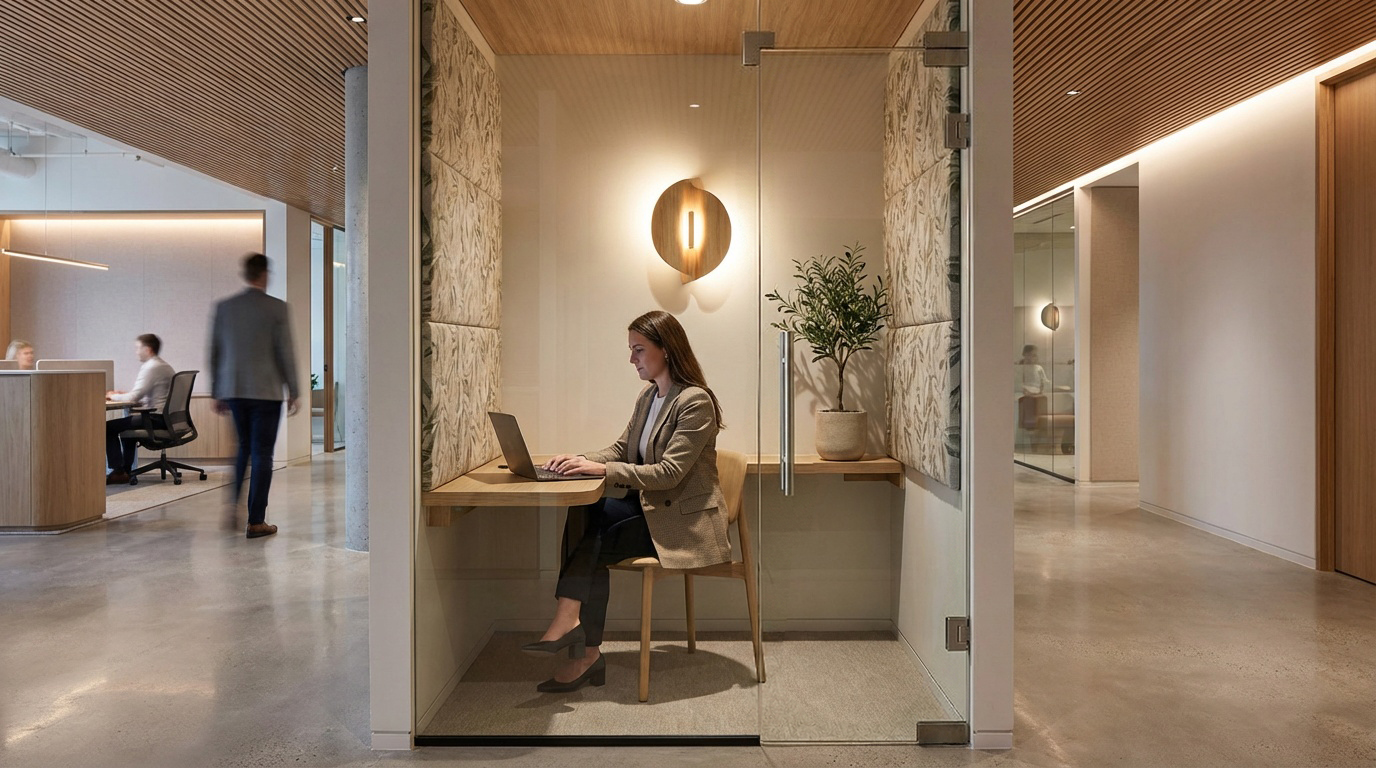
Common acoustic strategies include acoustic ceiling panels, wall treatments, carpet tiles, and upholstered furniture. Quiet rooms and privacy booths provide refuge for focused work or private calls, while collaborative zones are designed to tolerate higher noise levels.
Acoustics should always align with zoning. Quiet areas require greater sound control, while social and collaborative spaces can accommodate more background noise. When acoustics are designed holistically, they support focus without making the office feel flat or overly subdued.
Technology Integration: Removing Friction from Daily Work
Technology is central to how modern workplaces function, yet it is often poorly integrated into office interior design. With hybrid and remote working rising in popularity, it should be a core design consideration, not an add-on.
This starts with infrastructure. Power, data, and charging points should be easily accessible across all work zones, not just at desks. Poor cable management or limited access to power can quickly undermine usability.
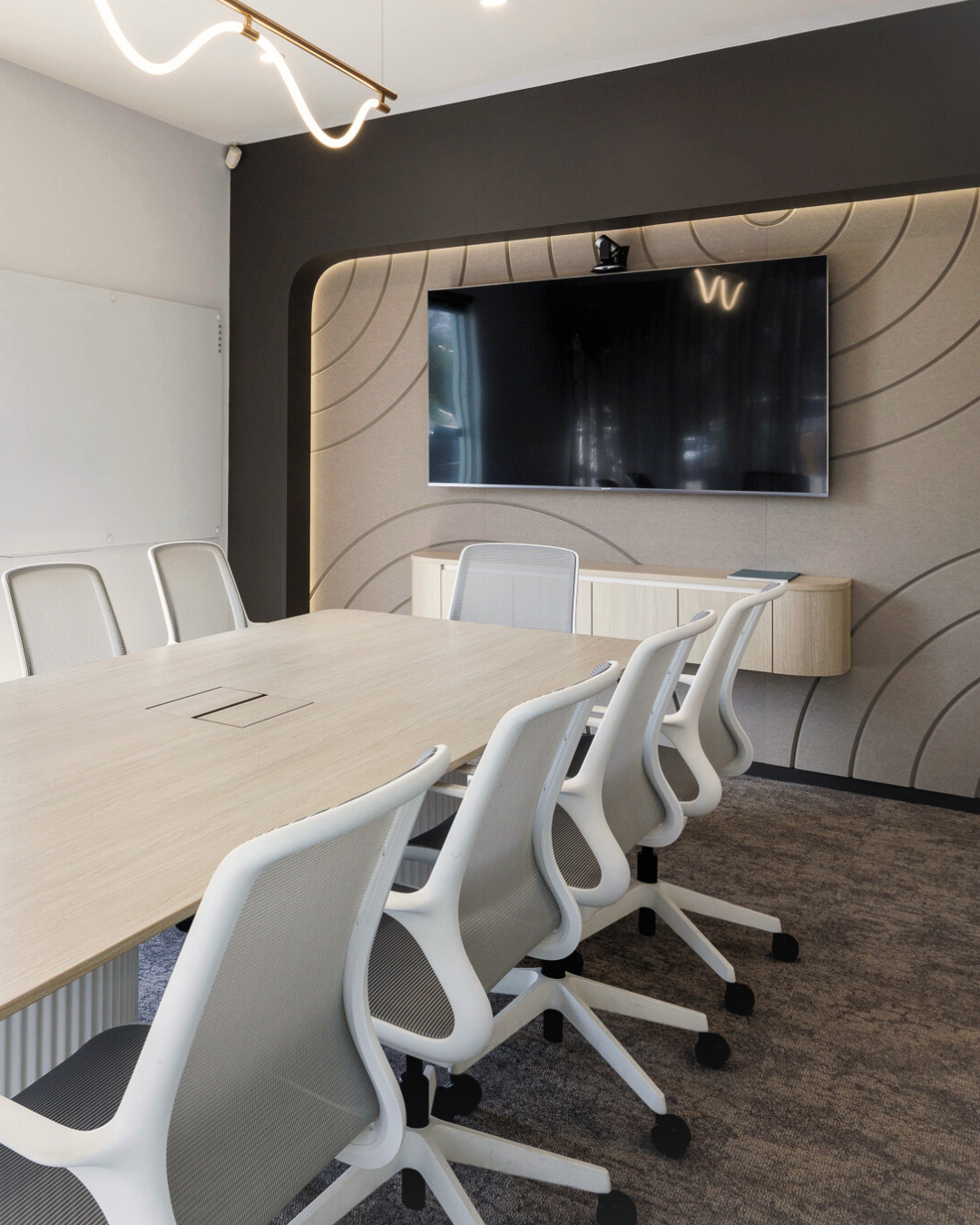
Meeting rooms deserve particular attention. Screens, video conferencing tools, microphones, and wireless connectivity should be intuitive and reliable, especially in hybrid workplaces. A well-designed meeting space supports seamless collaboration, whether participants are in the room or joining remotely.
Flexibility: Designing Offices That Can Evolve
A truly high-performing office is designed with change in mind. Teams grow, roles shift, and work patterns continue to evolve. Interior design that is too rigid can quickly become outdated.
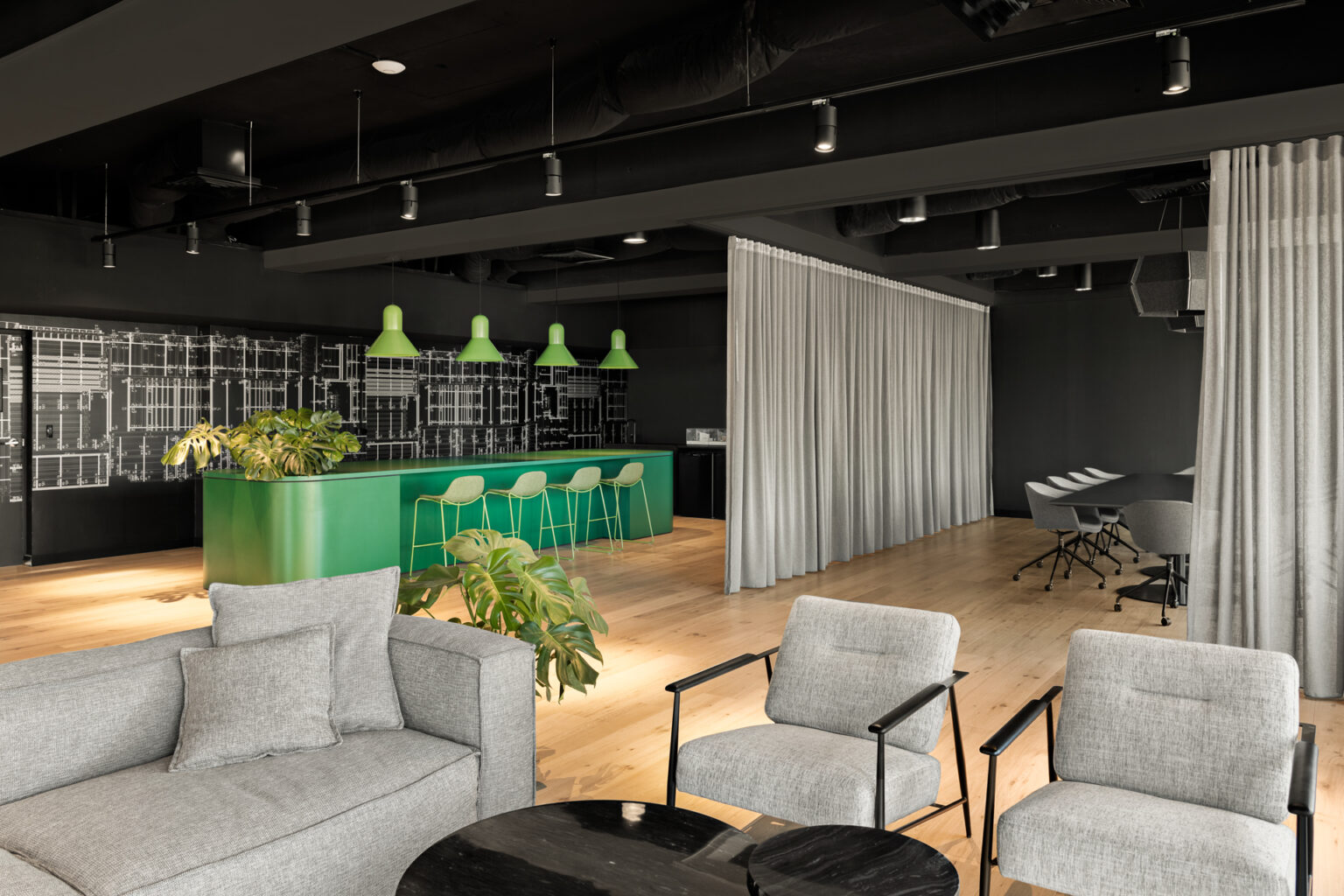
Flexible furniture systems, modular partitions, and adaptable layouts allow spaces to be reconfigured without major disruption. This approach extends the lifespan of the fit-out and supports changing business needs.
Flexibility also empowers employees. When people can choose where and how they work within the office, they are more likely to feel engaged, trusted, and productive.
Effective office interior design is ultimately about people. Ergonomics protects health, zoning supports diverse work styles, acoustics enable focus, and technology integration removes friction from everyday tasks. When these elements work together, the result is a workspace that feels intuitive, comfortable, and purposeful.
Rather than chasing trends, the most effective offices are grounded in these core principles. Offices designed for how your team realistically functions become environments which support performance today and remain adaptable for the future.
Choose Sensa Interiors for a high-performing workspace
Want office interior design that improves productivity and performance? Get in touch with Sensa today.