How a Mezzanine can Increase Your Office Space
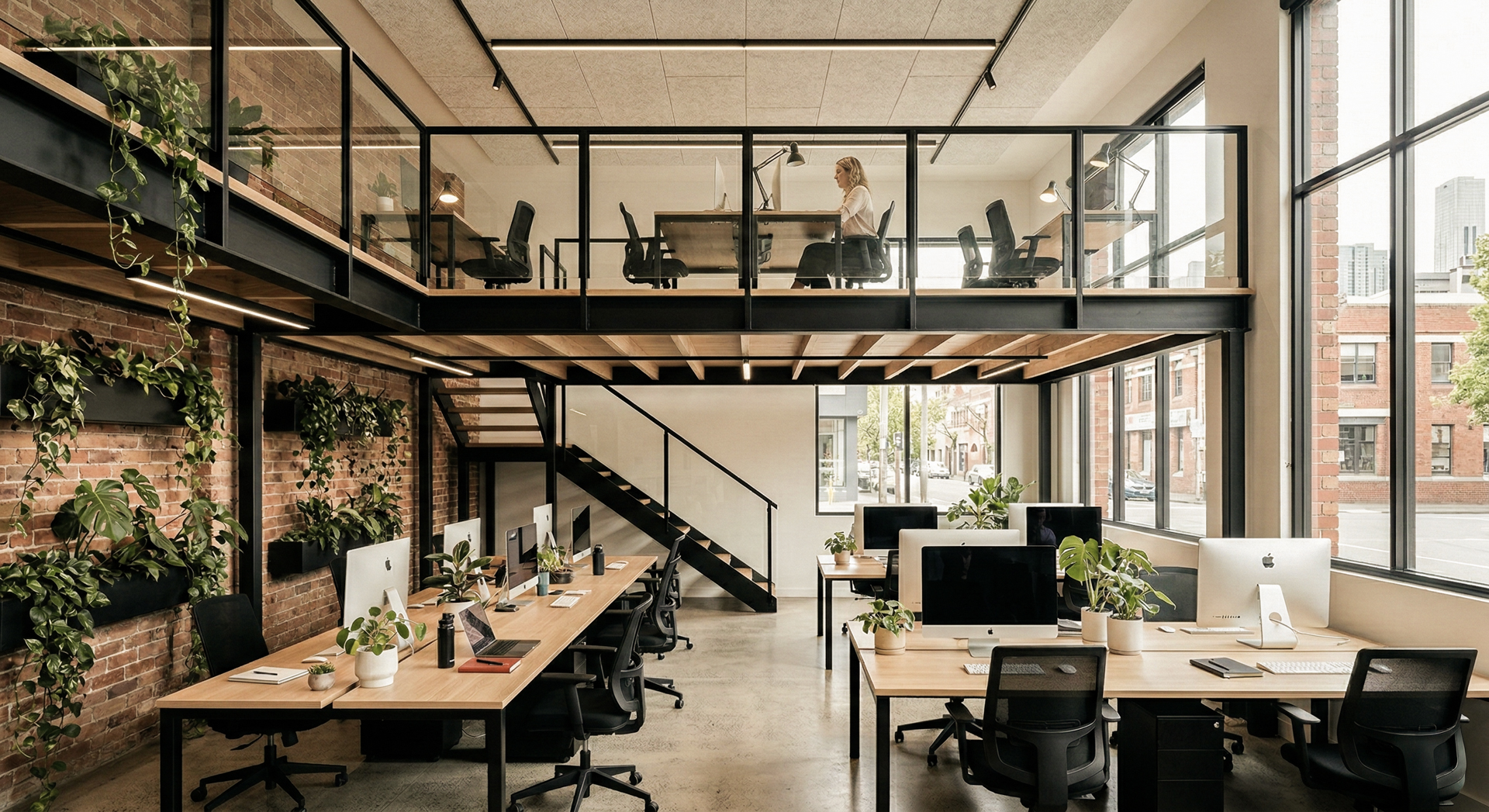
Growth is a good problem to have. More people. More collaboration. More momentum.
But growth also puts pressure on your workplace. Desks start to feel tighter. Meeting rooms are constantly booked. Storage creeps into breakout spaces. Focus becomes harder.
The first instinct is often to move.
But what if the space you need is already there?
If your tenancy has generous ceiling height, you may be sitting on untapped potential. A mezzanine can transform unused vertical volume into high performing workspace, without expanding your footprint or disrupting your business.
At Sensa, we believe intelligent workplaces make better use of what already exists. A mezzanine is one of the most strategic ways to do exactly that.
What is a Mezzanine in an Office?
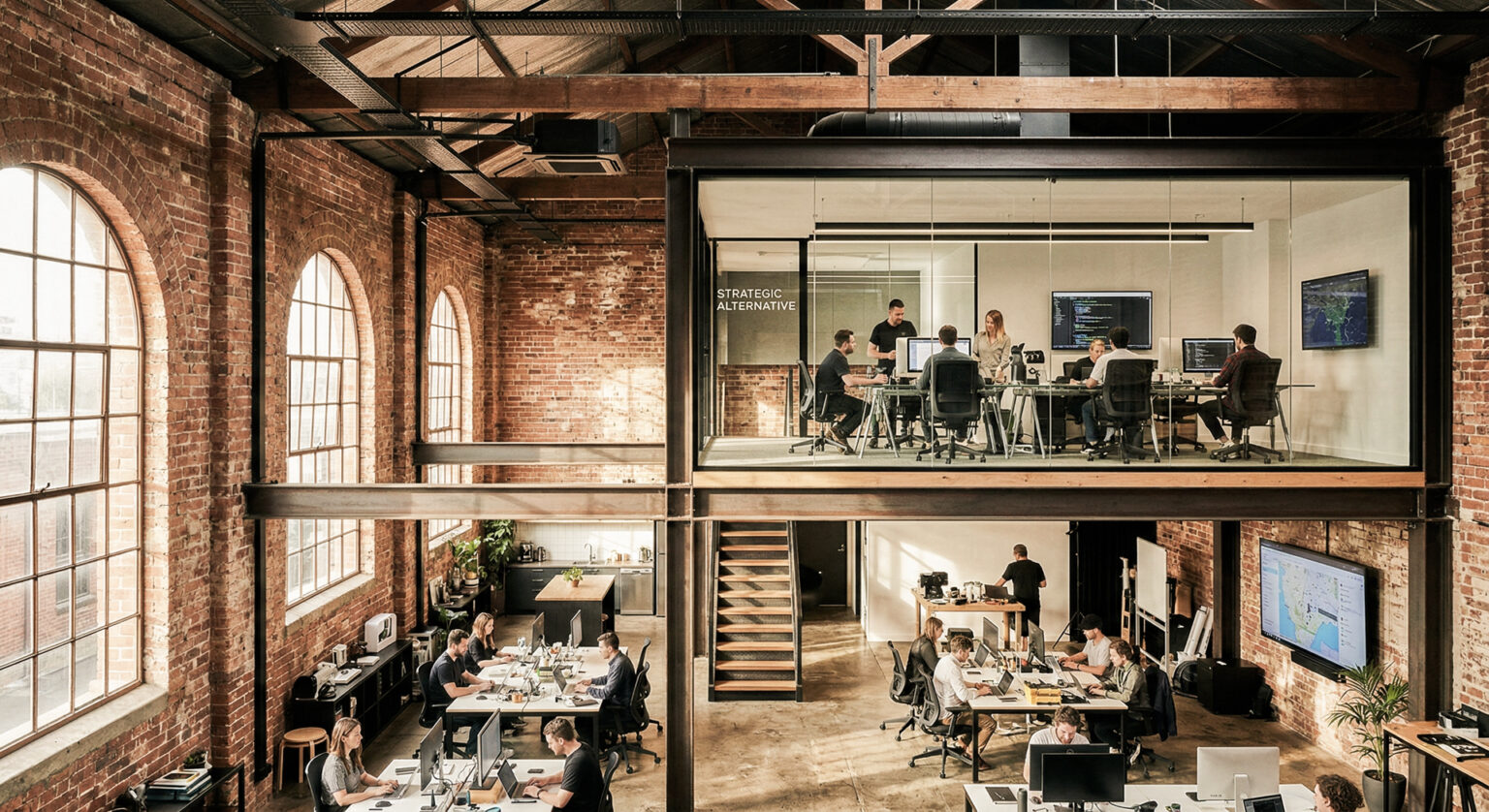
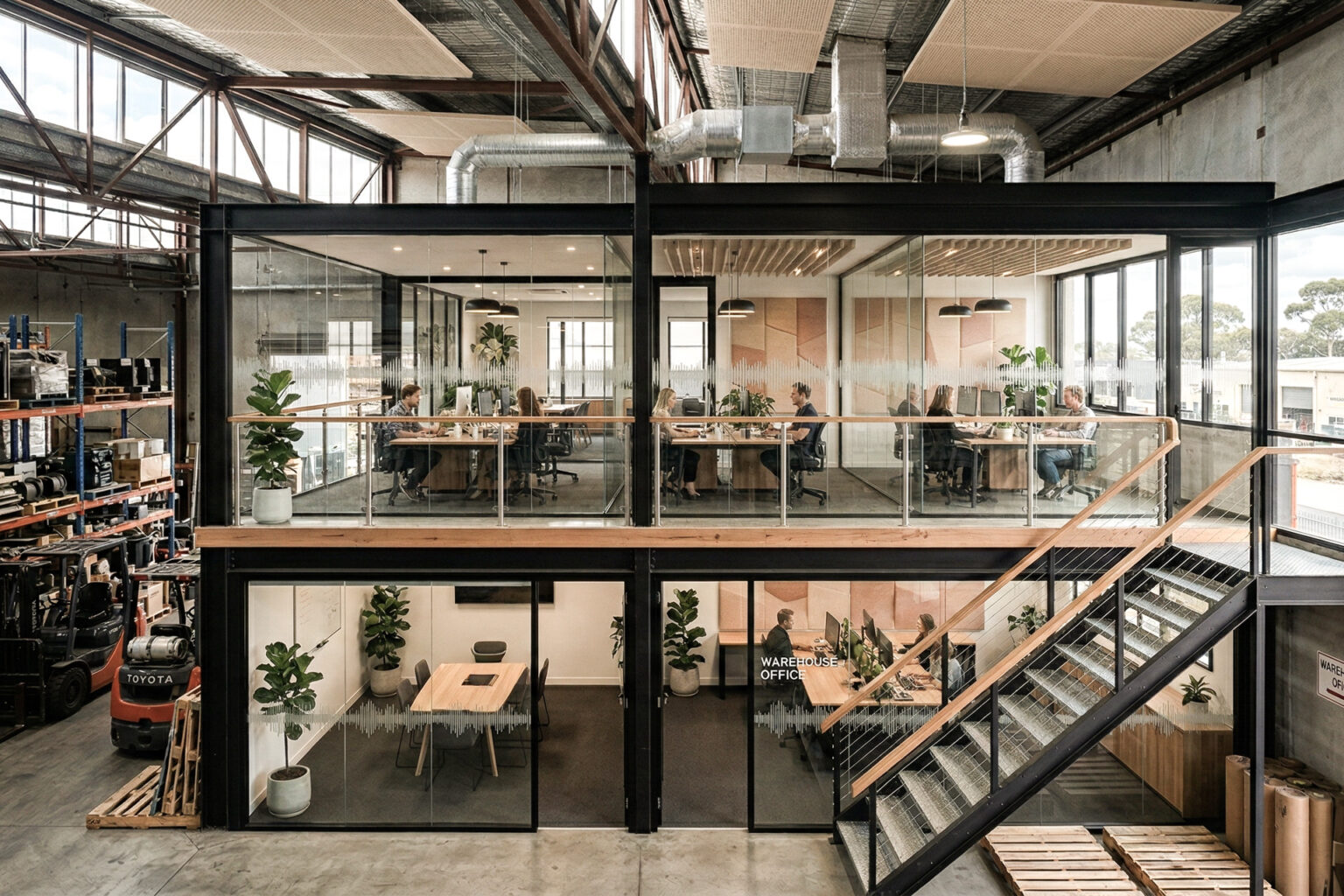
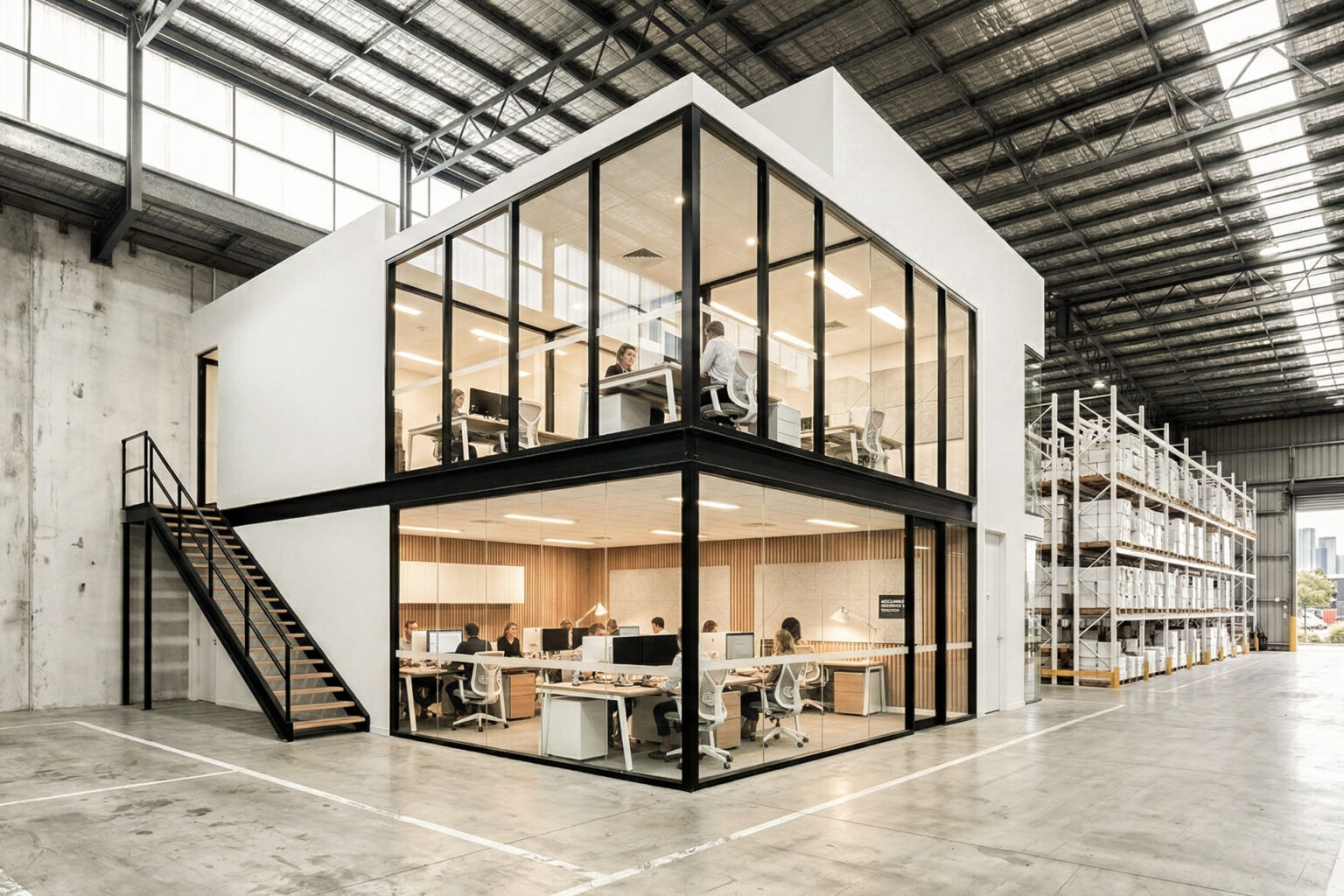
A mezzanine is an intermediate floor constructed within an existing building, positioned between the main floor and the ceiling. It does not typically cover the entire floorplate. Instead, it creates a partial second level that overlooks the space below.
In commercial offices across Melbourne, mezzanines are commonly introduced into:
- High ceiling tenancies
- Warehouse conversions
- Industrial style office spaces
- Creative studios
- Showrooms transitioning into corporate offices
Rather than leasing more square metres, you build upward within your current envelope.
The result is more usable area, better zoning and stronger spatial hierarchy.
1. Increasing Usable Floor Area Without Relocating
Relocating an office is expensive. Beyond rent, there are legal costs, downtime, relocation logistics, re fitout expenses and the cultural disruption that comes with moving teams into unfamiliar surroundings.
A mezzanine allows you to stay where you are.
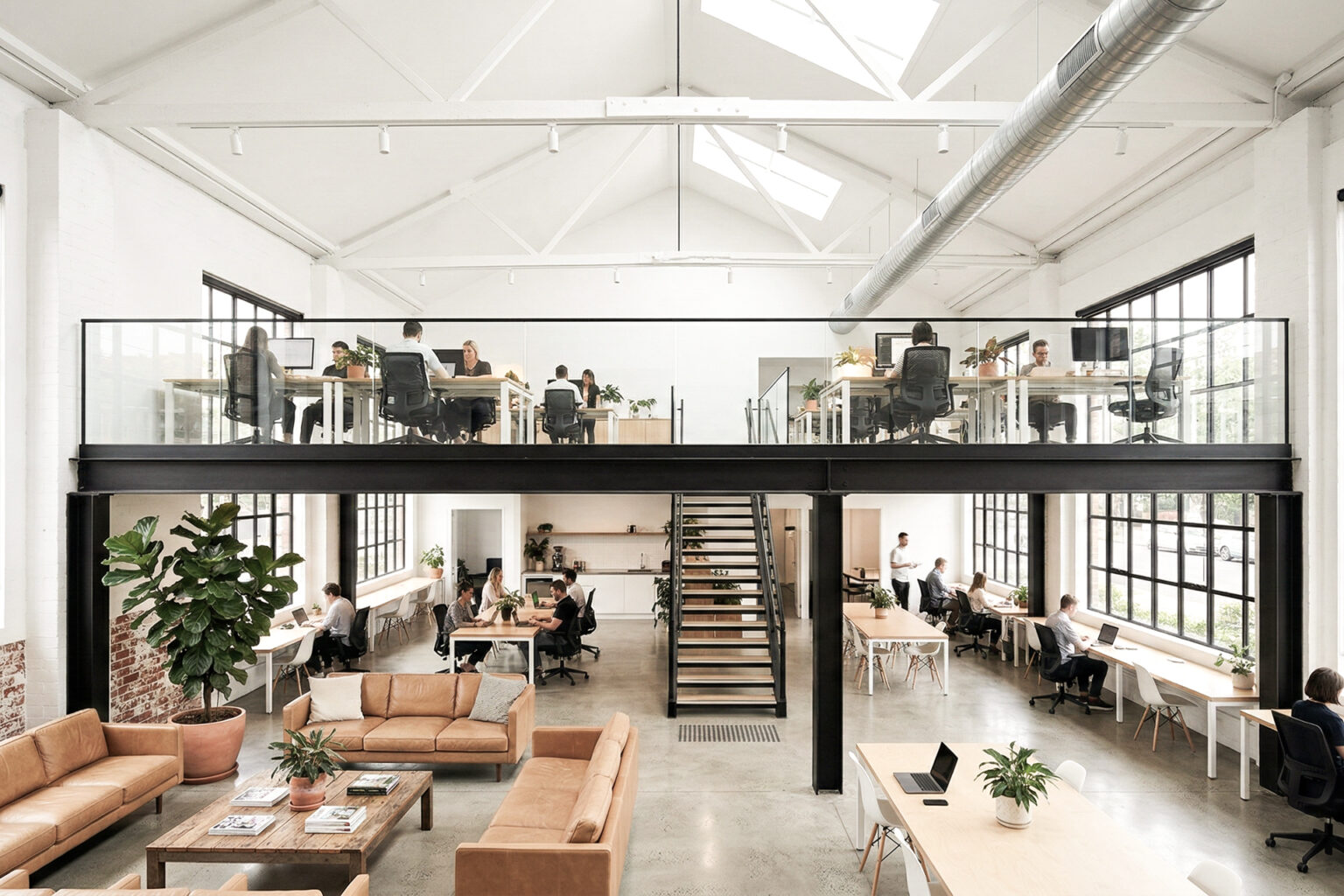
If your ceiling height allows, adding a mezzanine can significantly increase usable area within your existing tenancy. In many cases, this additional space can accommodate:
- 6 to 30 additional workstations
- One or more enclosed meeting rooms
- Executive offices
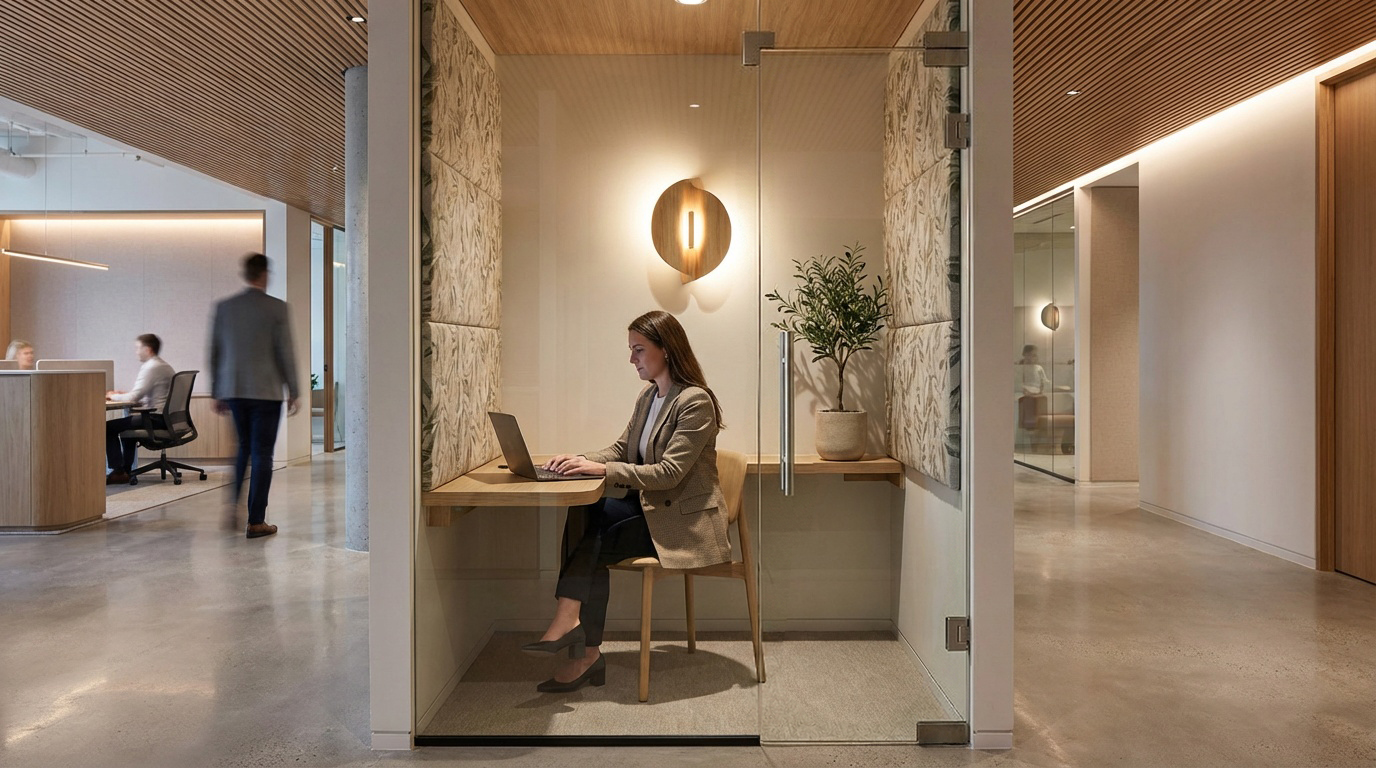
- Quiet focus rooms
- Training or collaboration zones
Instead of paying for more footprint, you maximise the volume you already lease.
For growing businesses in Melbourne City fringe and surrounding areas, this can be a strategic alternative to moving.
2. Supporting Organisational Growth Strategically
As your business grows, your workplace needs to evolve with it.
We often see companies revisiting their mission, values and strategic direction. They invest in new systems, restructure teams and set ambitious growth targets. But if the workplace remains unchanged, it becomes harder for that growth to land effectively.
A mezzanine creates an opportunity to rethink how space supports your next phase.
For example:
- A growing leadership team may need private offices or boardroom space
- A scaling operations team may require additional workstations
- A new department may benefit from a defined zone of its own
Instead of squeezing people into an existing layout, a mezzanine gives you room to re plan with intention.
Growth should feel energising. Not cramped.
3. Improving Zoning and Acoustics
Open plan environments have their place. They promote visibility and spontaneous collaboration. But without balance, they can compromise focus.
A mezzanine introduces vertical separation, which can significantly improve zoning.
Imagine this:
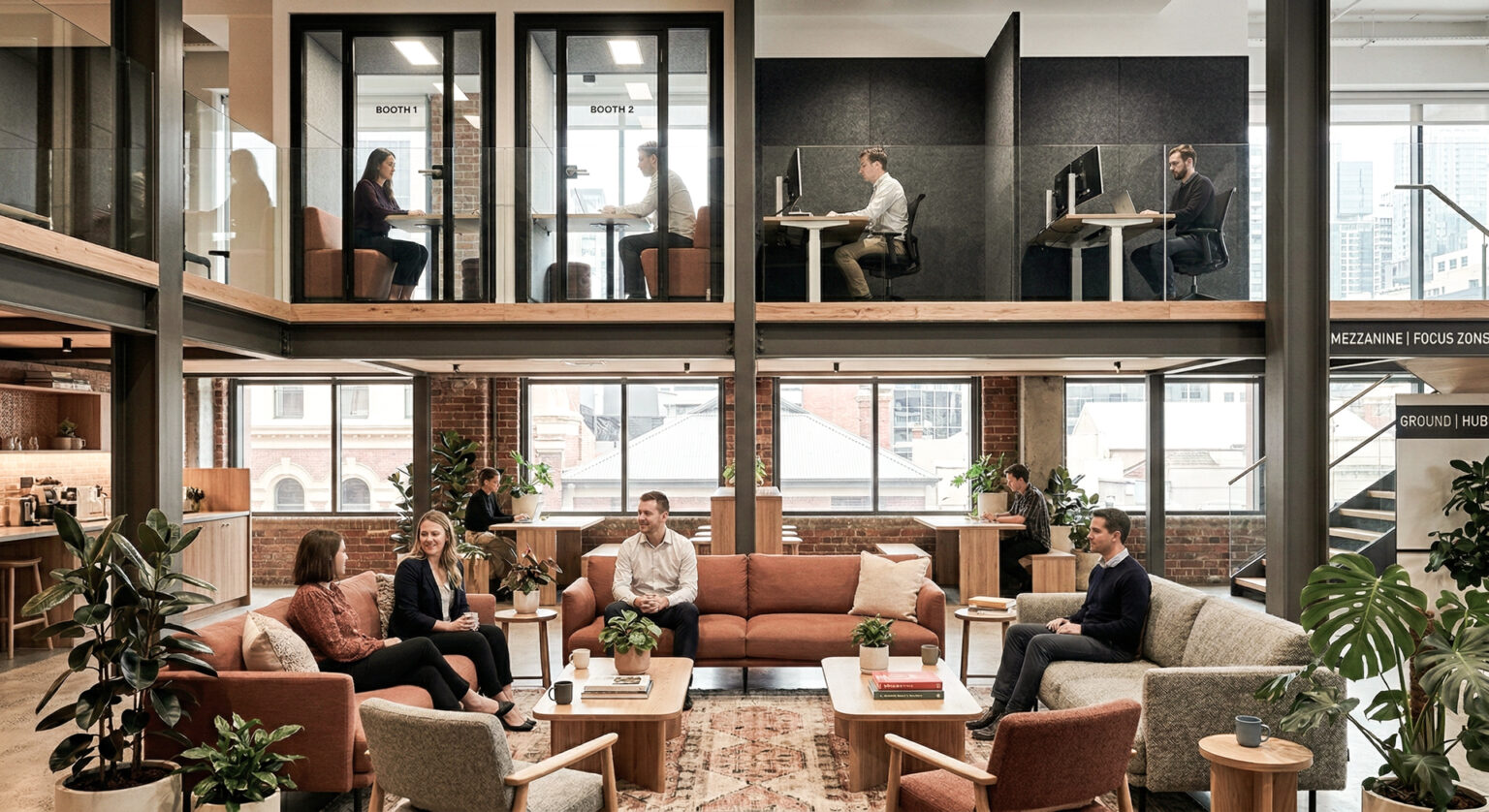
The ground floor becomes your collaborative hub. Open workstations, informal breakout areas and meeting rooms sit at the heart of activity.
The mezzanine level becomes a quieter zone. A place for focused work, executive offices or enclosed rooms that require discretion.
By layering the workplace vertically, you create clarity.
It becomes easier to separate:
- Collaboration and concentration
- Client facing and internal functions
- High traffic and low traffic areas
With thoughtful acoustic treatment, including ceiling panels, wall treatments and balustrade design, the mezzanine can also help manage sound transfer.
The result is a more balanced environment that supports different work modes.
4. Unlocking the Value of Vertical Volume
Many commercial buildings in Melbourne feature generous ceiling heights, particularly in converted warehouses or industrial precincts.
Too often, that vertical volume remains unused.
From a design and construction perspective, this is missed opportunity.
When we assess a tenancy, we look beyond floor area. We consider cubic volume. Air space can be just as valuable as square metres when used strategically.
A mezzanine transforms empty air into productive real estate.
It also changes how people experience the space. Double height voids combined with mezzanine levels create visual interest, depth and hierarchy. The workplace feels layered and dynamic rather than flat and repetitive.
With glass balustrades and considered detailing, natural light can still penetrate both levels, maintaining openness.
You gain space without sacrificing light or connection.
5. Reducing Long Term Occupancy Costs
Rent is one of the largest fixed costs for most knowledge based businesses.
Upsizing your tenancy to accommodate growth can significantly increase monthly overheads, particularly in premium CBD locations.
A mezzanine can reduce the need to lease additional area.
While there is upfront capital investment required for design, engineering and construction, this is often offset by avoiding:
- Higher rent on larger premises
- Make good costs when exiting a lease
- Relocation expenses
- Business downtime
In many cases, investing in your existing tenancy can be more cost effective than moving to a larger one.
The key is to evaluate this strategically, not reactively.
6. Enhancing Workplace Identity and Experience
A mezzanine is not just functional. It can also elevate the character of your workplace.
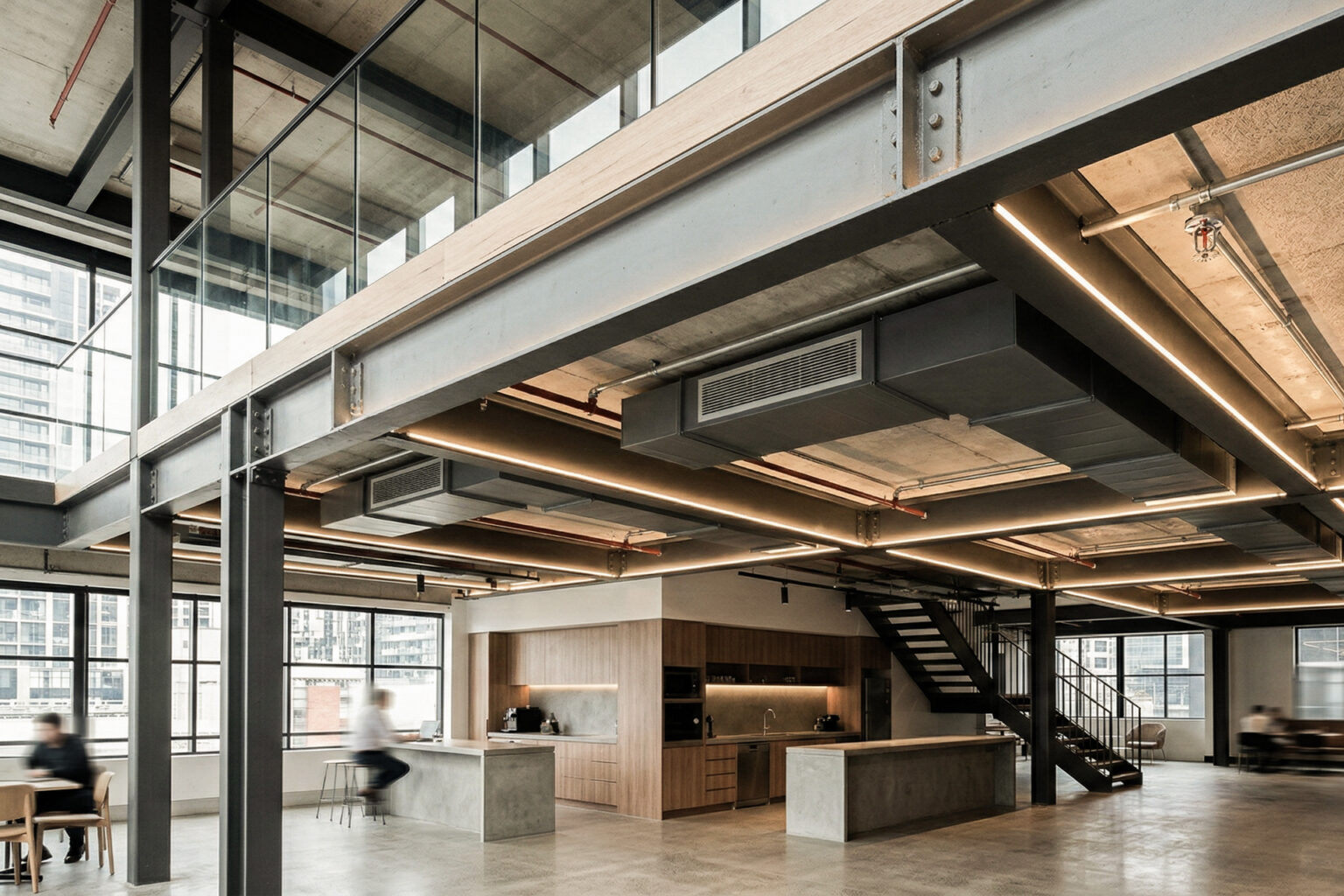
Architecturally, it introduces:
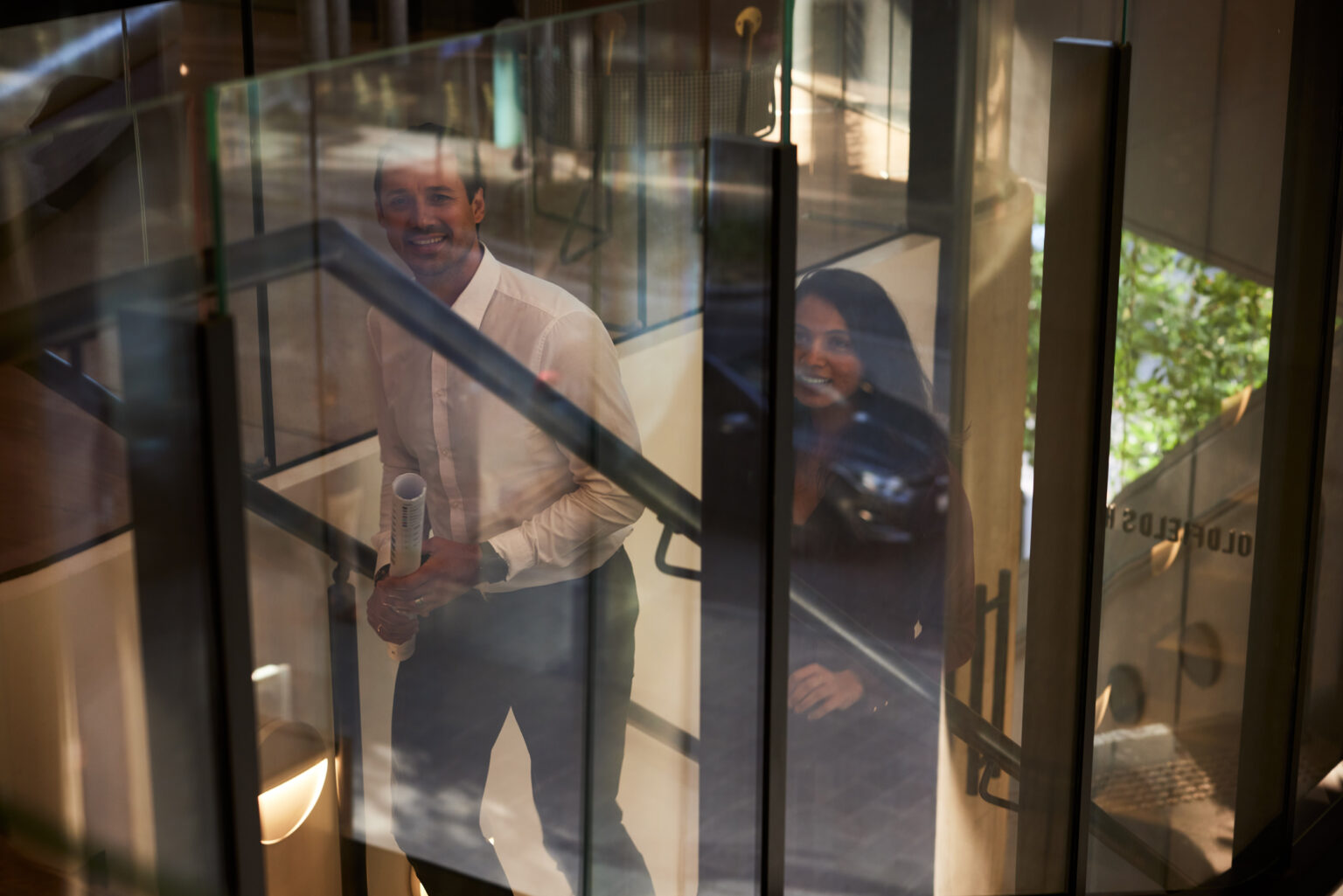
- Feature staircases
- Statement balustrades
- Layered lighting design
- Visual connections across levels
It can create moments of movement and perspective. Looking down over a collaborative hub from the mezzanine can reinforce connection and culture.
For client facing businesses, a mezzanine can also make a strong first impression. A boardroom positioned above the main floor can feel elevated and intentional.
When designed well, a mezzanine becomes a defining feature of the workplace, not just an add on.
At Sensa, we approach these opportunities through our Discover, Design, Deliver methodology.
We start with strategy. Who is using the space. What are their work patterns. How does the workplace support your brand and performance.
Only then do we translate that into physical form.
7. Key Considerations Before Introducing a Mezzanine
While the benefits are compelling, a mezzanine is not suitable for every tenancy.
Several factors must be assessed early:
Ceiling Height
Sufficient height is essential to ensure comfortable head clearance on both levels. This includes structural depth and services integration.
Structural Capacity
The existing building must be capable of supporting additional load. Structural engineering assessment is critical.
Building Code and Compliance
Fire safety, egress, accessibility and balustrade requirements must be carefully addressed to comply with Australian standards.
Services Integration
Air conditioning, lighting, sprinklers and electrical services need to be extended or reconfigured to support the new level.
Council and Approvals
Depending on the scope, permits may be required.
These are not obstacles. They are design parameters.
With the right team, they can be navigated efficiently and strategically.
8. When a Mezzanine Makes Sense
A mezzanine is particularly effective when:
- Your team is growing but you are mid lease
- Ceiling height exceeds standard commercial office heights
- You operate in a warehouse or industrial style building
- You want to introduce stronger zoning between teams
- Relocation would disrupt operations significantly
It is not simply about adding space. It is about aligning space with business direction.
When strategy shifts, your workplace should follow.
Think Upward Before You Move Outward
Before signing a new lease or committing to a larger tenancy, it is worth asking:
Are we fully utilising the space we already have?
At Sensa, we help businesses look at their workplace through a strategic lens. Not just as a collection of desks and rooms, but as an asset that can adapt and evolve.
A mezzanine is one example of how intelligent design can unlock hidden capacity.
You do not always need more address.
Sometimes you need more imagination.
If your organisation is growing and your space is starting to feel stretched, the solution may be above you.
Let’s explore how your existing workplace can work harder, smarter and with greater intent.