Timeless Office Fitouts Designed for Change, Not Trends
Trends move quickly. What feels modern and impressive today can look dated in just a few years. When it comes to office fitouts, designing around short-lived aesthetics often leads to unnecessary refurbishment costs, operational disruption and a workspace that no longer reflects your business.
A smarter approach focuses on future proof office design. Instead of chasing design fads, forward-thinking organisations invest in timeless office design that supports adaptability, longevity and sustainable growth. The goal is simple: create a long lasting office fitout that evolves with your team, your technology and your strategy.
Why Trends Can Be Costly
Design trends can feel exciting, but they rarely account for your long-term operational needs.
An office built around a trend may:
- Date quickly
- Limit flexibility as organisations expand or restructure
- Require costly alterations to accommodate new technology
- Disrupt workflow when layouts become inefficient
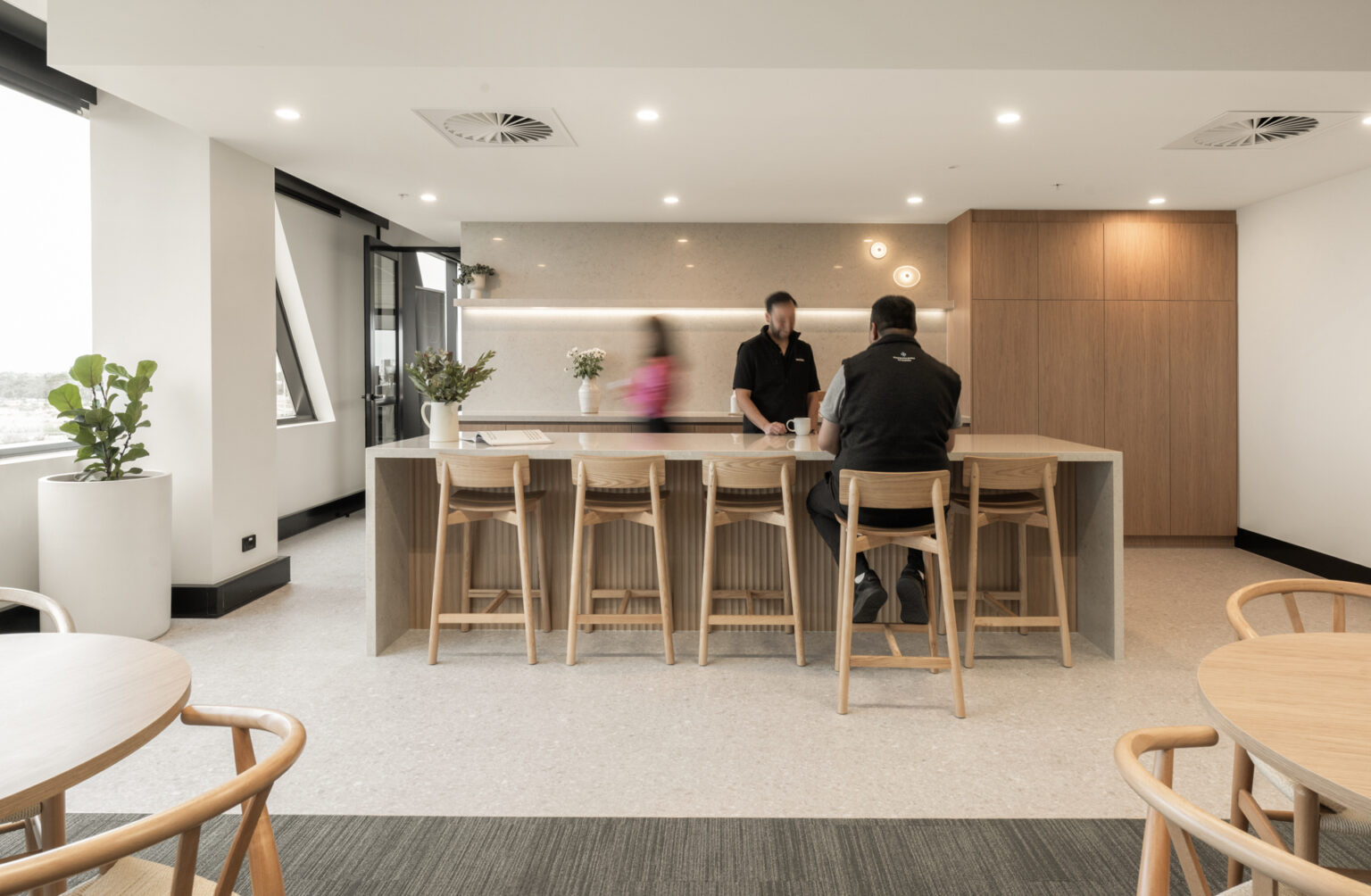
What Defines Timeless Office Design?
Timeless office design does not mean boring or corporate. It means intentional.
A timeless office design balances clean architectural foundations with adaptable elements. Consider these key characteristics:
Neutral and Enduring Material Choices
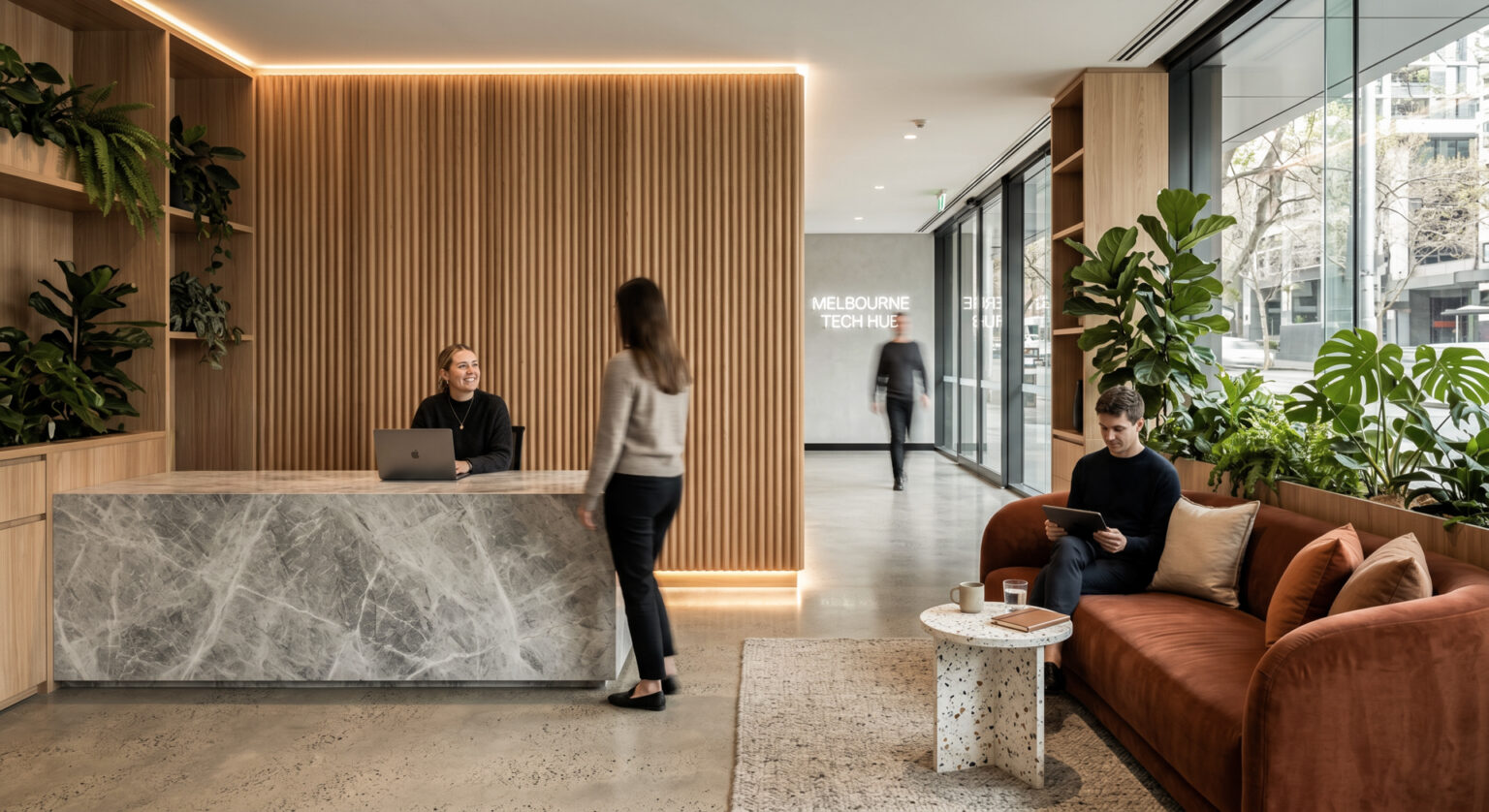
Natural timbers, refined metals, textured fabrics, and neutral palettes create a base that can be refreshed without full reconstruction. Instead of bold feature walls or highly stylised finishes, focus on materials that age well and can be updated through furnishings and branding elements. This is a key part of designing offices for long term growth.
Flexible Layouts
Modular planning is central to a successful long lasting office fitout. Rather than fixed partitions and rigid desk configurations, consider:
- Demountable walls
- Modular workstations
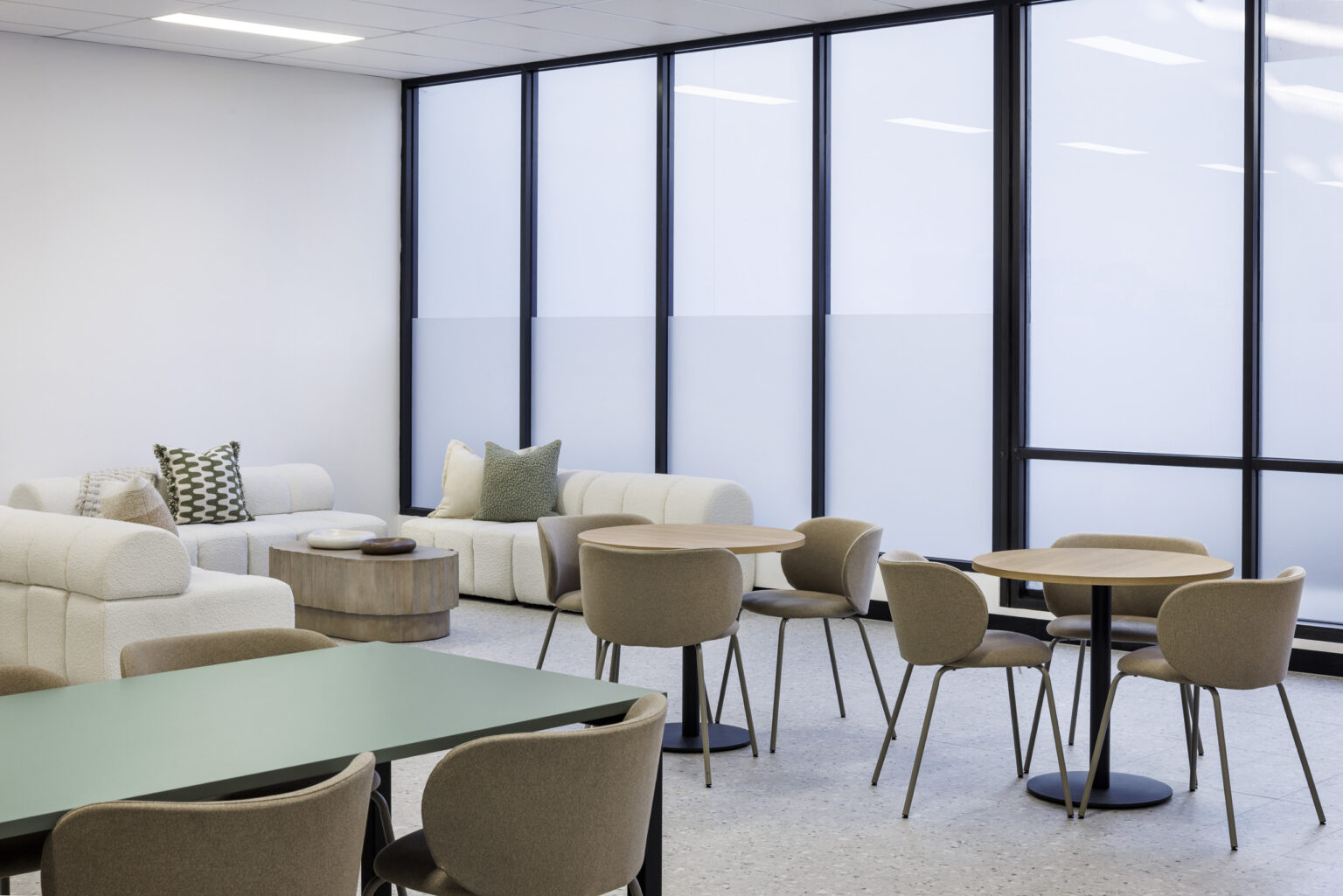
- Multi-purpose collaboration areas
- Movable acoustic screens
This flexibility allows you to reconfigure space as departments grow, merge or adopt hybrid models, ensuring a long lasting office fitout.
Balanced Zoning
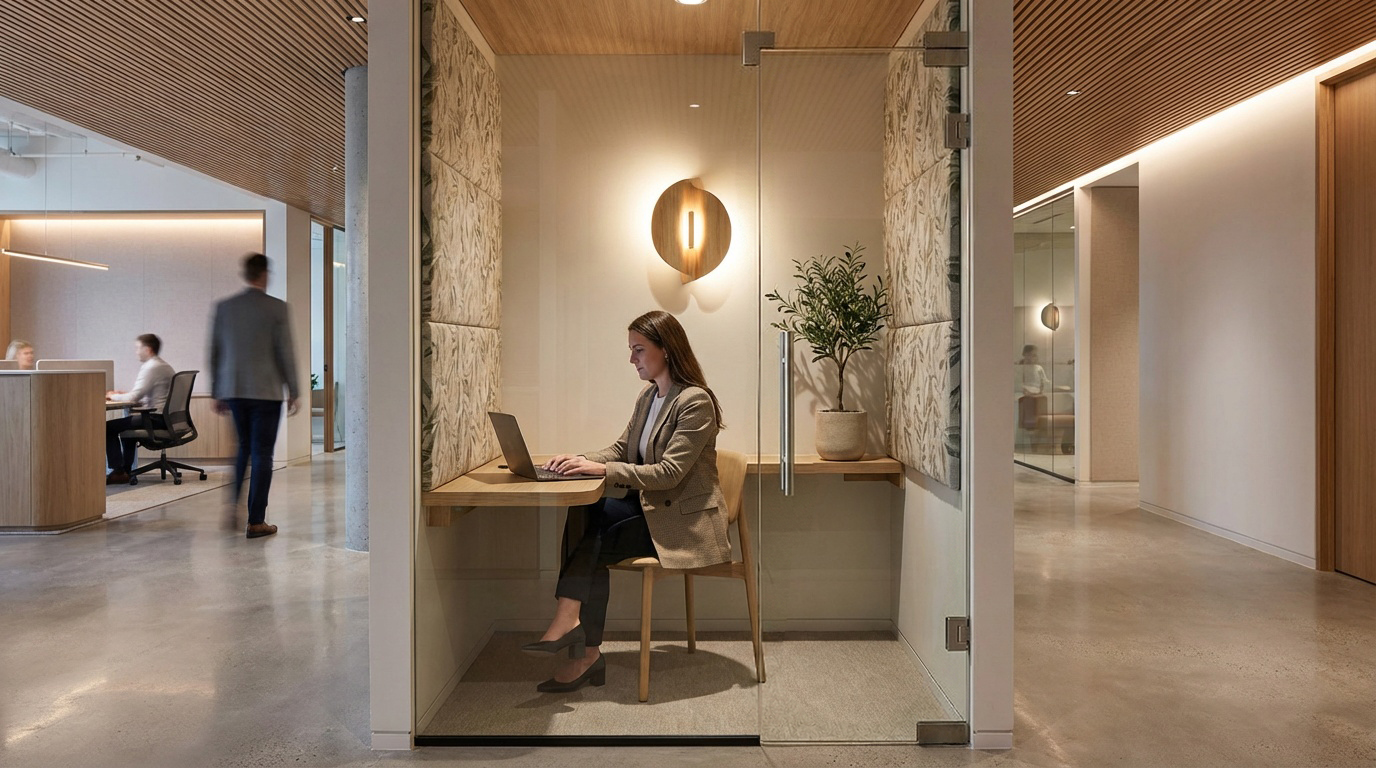
Work patterns evolve. Offices now need to support quiet focus, collaborative sessions, video conferencing and informal connection. Future proof office design includes distinct zones that can shift in size or function over time.
Well-planned office fitouts allow areas to be repurposed without structural change, ensuring longevity without compromise.
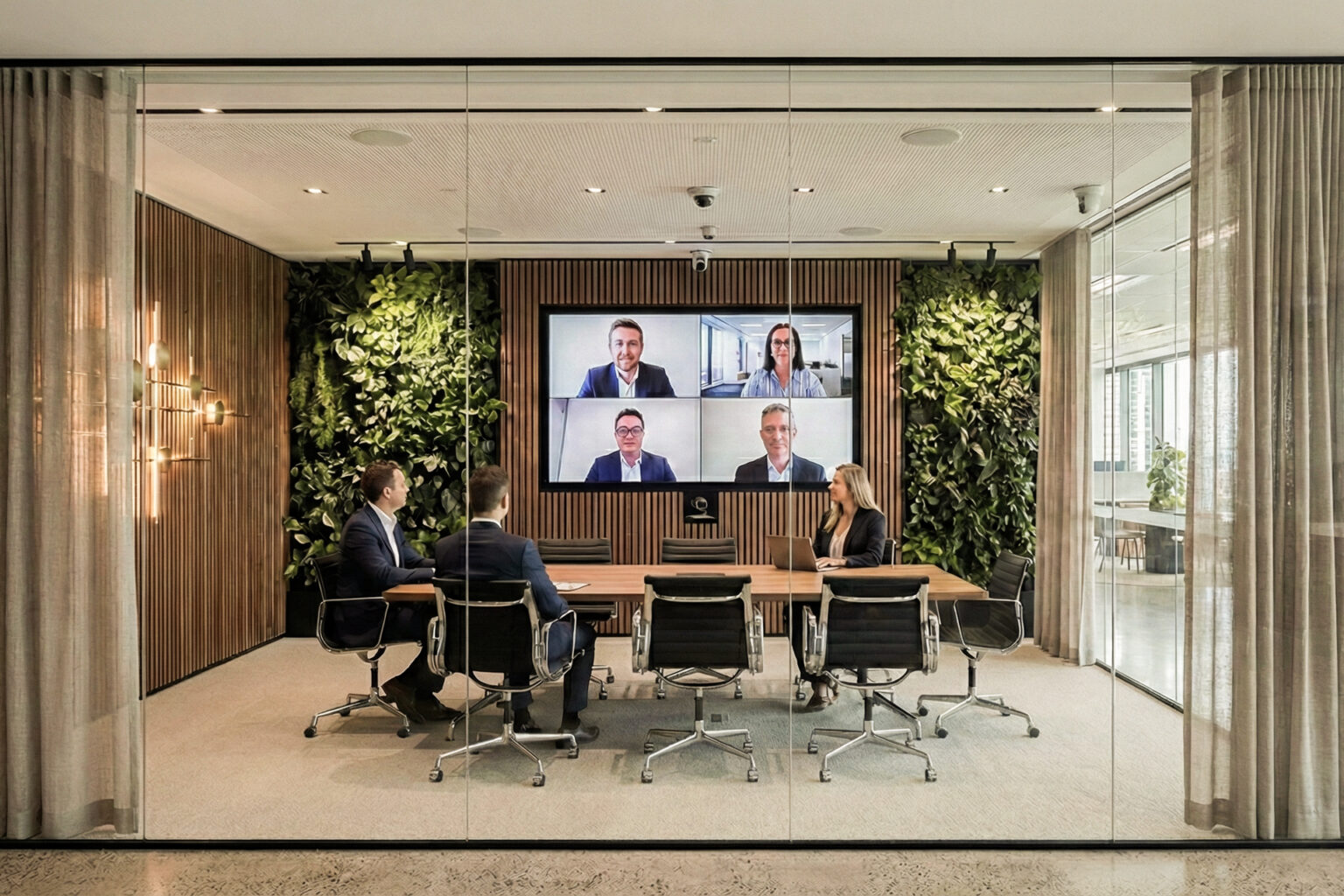
Designing Offices for Long Term Growth
Business growth rarely follows a straight line. Teams expand, technology upgrades and organisational priorities shift. A well-executed future proof office design anticipates these changes.
Plan for Scalability
When designing offices for long term growth, consider projected headcount over the next five to ten years. Instead of maximising every square metre immediately, build in breathing room. Shared spaces can temporarily serve as flexible desks before becoming formalised workstations.
Infrastructure should also be scalable. Ensure electrical, data and power systems are designed to accommodate future expansion without major retrofits.
Prioritise Technology Integration
Technology evolves rapidly, but infrastructure should not. A thoughtful long lasting office fitout incorporates:
- Accessible cable management systems
- Sufficient power distribution
- Integrated AV capability
- Flexible meeting room configurations
By embedding adaptable infrastructure, you reduce the need for invasive upgrades later, ensuring a long lasting office fitout.
Invest in Quality
High-quality materials and construction reduce maintenance and replacement costs over time. While initial investment may be higher, durability ensures your office fitouts remain functional and visually consistent for years.
Furniture selection also plays a key role. Choose ergonomic, adjustable pieces that support evolving work styles rather than highly stylised items that may not age well.
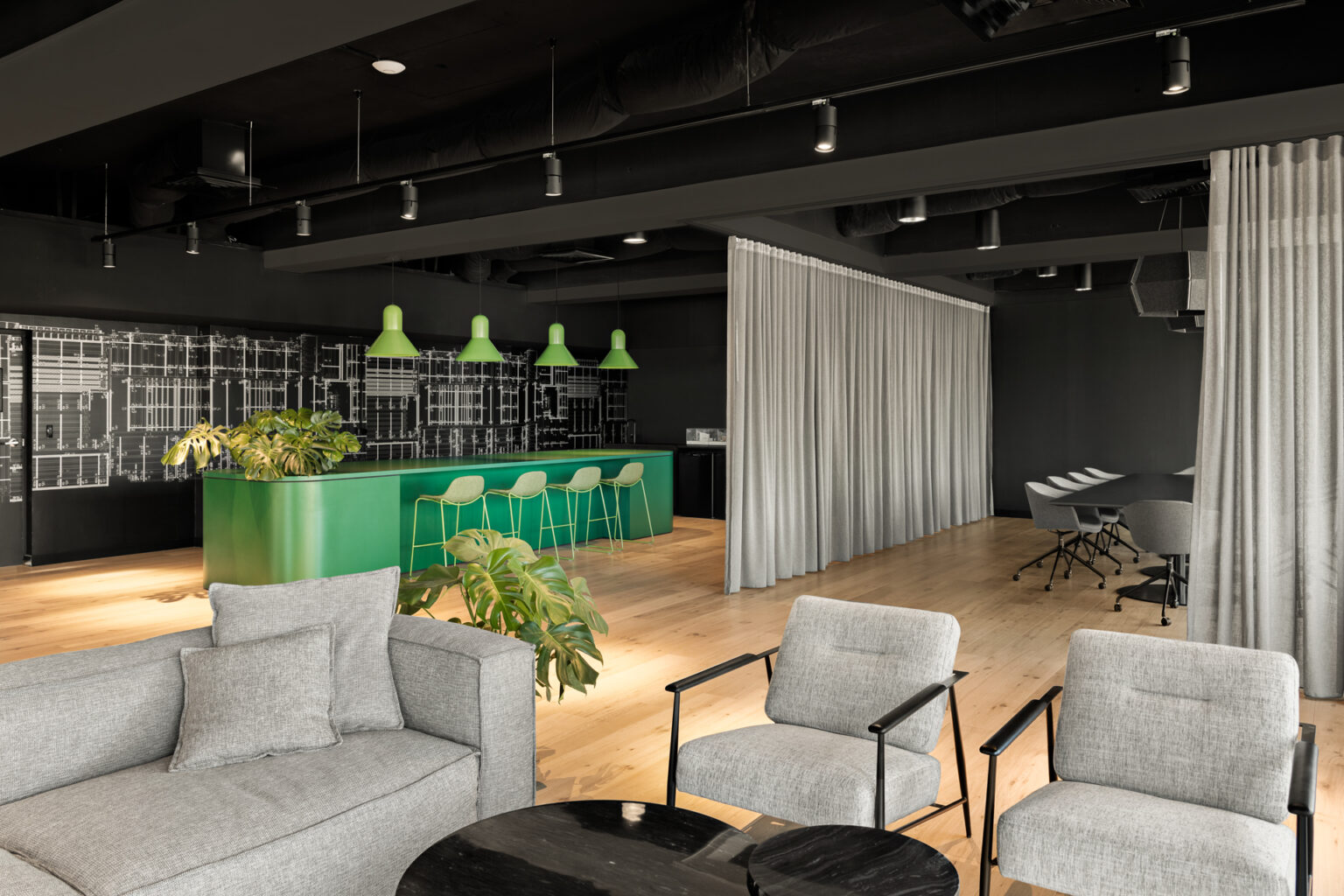
Sustainability as a Long-Term Strategy
Sustainability is not a passing trend. It is fundamental to responsible, forward-thinking design.
Incorporating environmentally conscious materials, energy-efficient lighting and flexible reuse strategies strengthens the longevity of your fitout. A space that can adapt without demolition reduces waste and aligns with modern environmental expectations.
Sustainable decisions also support employer branding and talent retention, contributing to long-term organisational growth.
Avoiding the “Complete Overhaul” Cycle
Many businesses fall into a refurbishment cycle where aesthetic updates drive major renovations. A more strategic approach allows incremental refreshes instead.
With a well-planned long lasting office fitout, updates can occur through:
- Furniture replacement
- Lighting enhancements
- Technology upgrades
- Minor spatial adjustments
The structural backbone remains intact, protecting your investment.
The Role of Brand in Timeless Design
Brand expression does not need to rely on bold, trend-driven features. In fact, embedding branding through adaptable layers ensures your space evolves alongside your identity.
Instead of permanent graphic installations, consider:
- Interchangeable signage
- Digital brand displays
- Branded furnishings and soft elements
- Colour accents that can be refreshed
This approach allows visual identity updates without structural changes, reinforcing a future proof office design strategy.
Designing for People, Not Just Space
The most enduring workplaces are those designed around human behaviour.
A timeless workspace prioritises:
- Natural light access
- Acoustic comfort
- Air quality and ventilation
- Ergonomic support
- Clear circulation paths
When employees feel comfortable and supported, the physical environment remains relevant regardless of design trends.
By focusing on human needs, you are inherently designing offices for long term growth. A people-centric environment adapts naturally to shifts in work style and team structure.
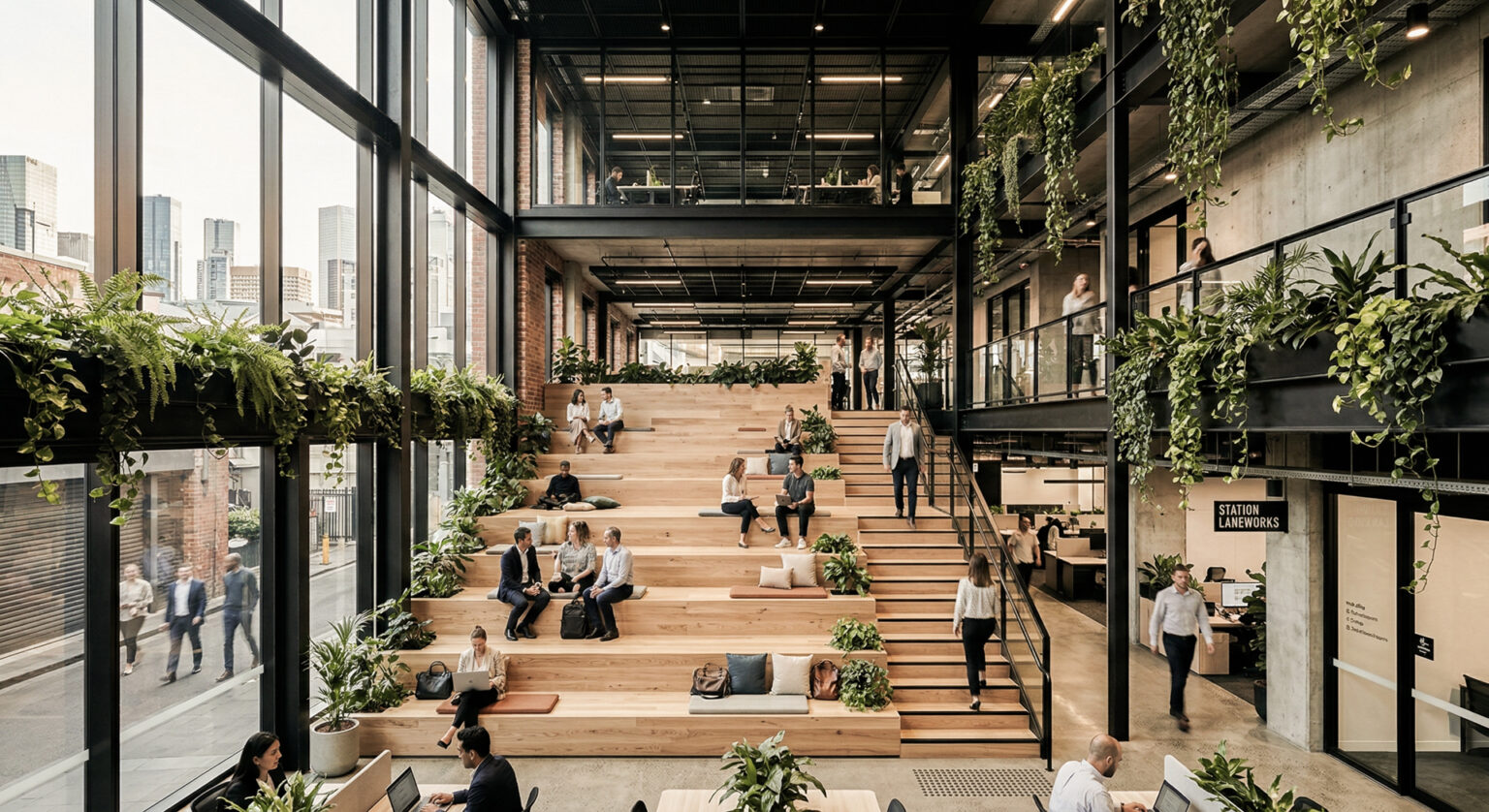
A Strategic Approach to Office Fitouts
The most successful office fitouts begin with long-term planning rather than immediate visual impact.
Ask:
- Where will the business be in five to ten years?
- How might work patterns change?
- What level of flexibility will be required?
- How can we avoid major structural changes in the future?
By answering these questions early, you create a foundation that withstands change.
Designing Beyond the Moment
A trend-driven space may generate short-term excitement. A timeless space generates long-term value.
Through considered material selection, flexible layouts, scalable infrastructure and people-focused design, future proof office design becomes more than a concept. It becomes a strategic investment.
When you prioritise timeless office design, you are not simply creating a workplace for today. You are building a resilient environment that supports innovation, adaptability and growth.
At Sensa, we understand the true measure of successful office fitouts is not how well they follow a trend. It is how seamlessly they evolve. That is the essence of designing offices for long term growth, one of the core pillars of our bespoke office fitout process.
To get started with your future proof office design, contact us now.