How Modern Office Fitouts Support Collaboration Without Creating Noise
Collaboration is widely recognised as a key driver of innovation, problem-solving, and team cohesion. Many organisations are designing their workplaces to encourage more interaction between employees. However, without careful planning, collaborative environments can quickly become noisy and distracting, reducing focus and productivity.
This is where modern office fitouts play an important role. By combining thoughtful layouts, acoustic design, and flexible workspace solutions, businesses can create environments that encourage teamwork while still protecting areas for focused work.
A productivity focused office design balances openness with control. Rather than simply removing walls, modern workplaces use strategic design principles that allow people to collaborate without overwhelming the office with noise.
Why Collaboration and Noise Must Be Balanced
Open-plan offices were originally introduced to encourage communication and teamwork. While they can support collaboration, poorly planned spaces often create challenges such as constant background noise, interruptions, and reduced concentration.
Research has shown that excessive noise can negatively affect productivity and cognitive performance. Employees who struggle to find quiet spaces often experience fatigue and reduced efficiency throughout the day.
The goal of a well-designed workplace is not to eliminate collaboration but to structure it more effectively. When businesses design collaborative offices without noise, they create spaces that allow teams to work together when needed while still supporting focus and deep work.
Modern office fitouts achieve this balance by combining zoning, acoustic materials, and adaptable layouts.
Zoning the Workplace for Different Work Styles
One of the most effective strategies in modern office fitouts is activity-based zoning. Instead of expecting employees to work in a single type of space all day, the office is divided into areas designed for different types of work.
To design collaborative offices without noise, consider implementing zones like:
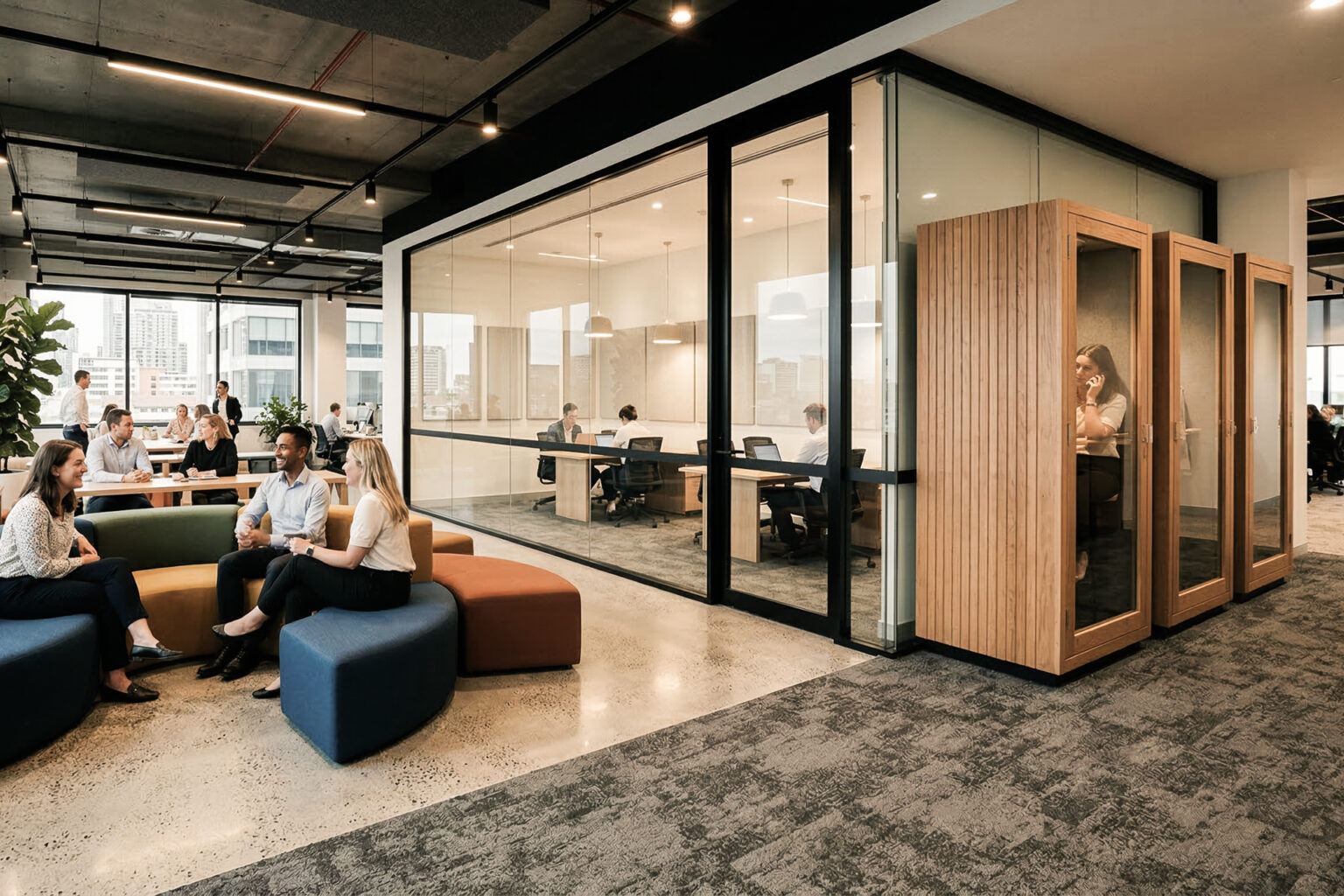
- Collaborative hubs for team discussions and brainstorming
- Quiet focus areas for concentrated work
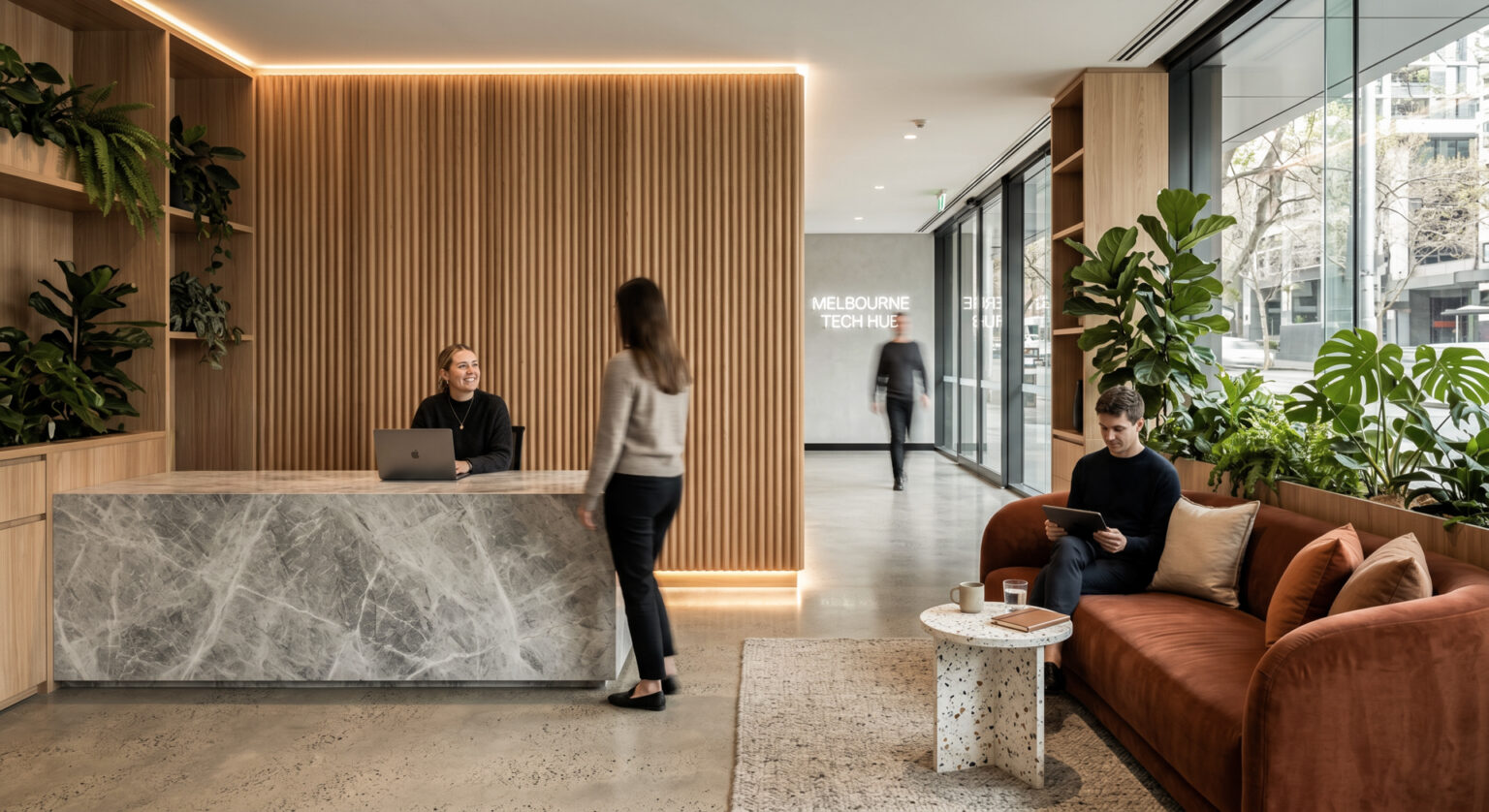
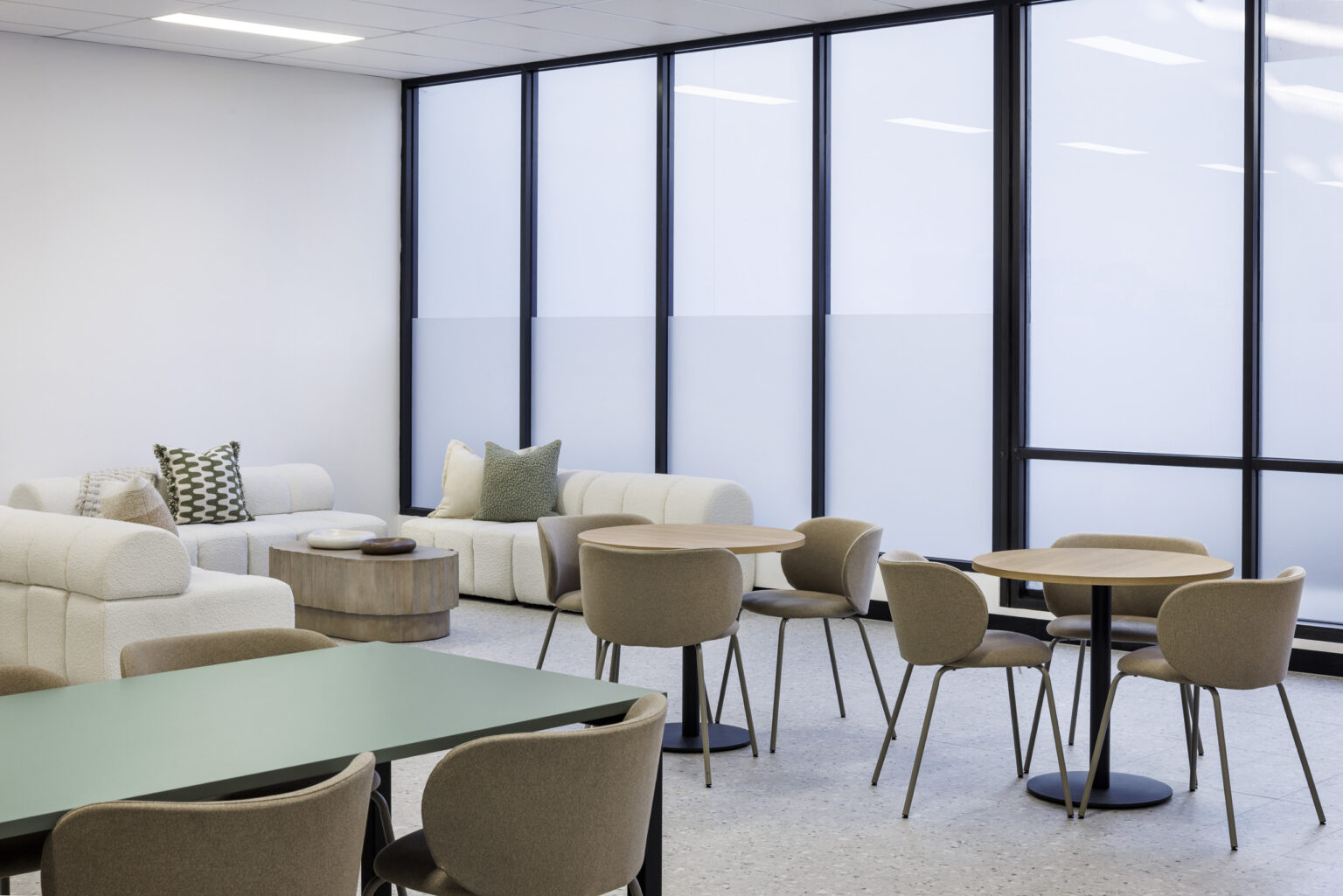
- Informal lounges for quick conversations
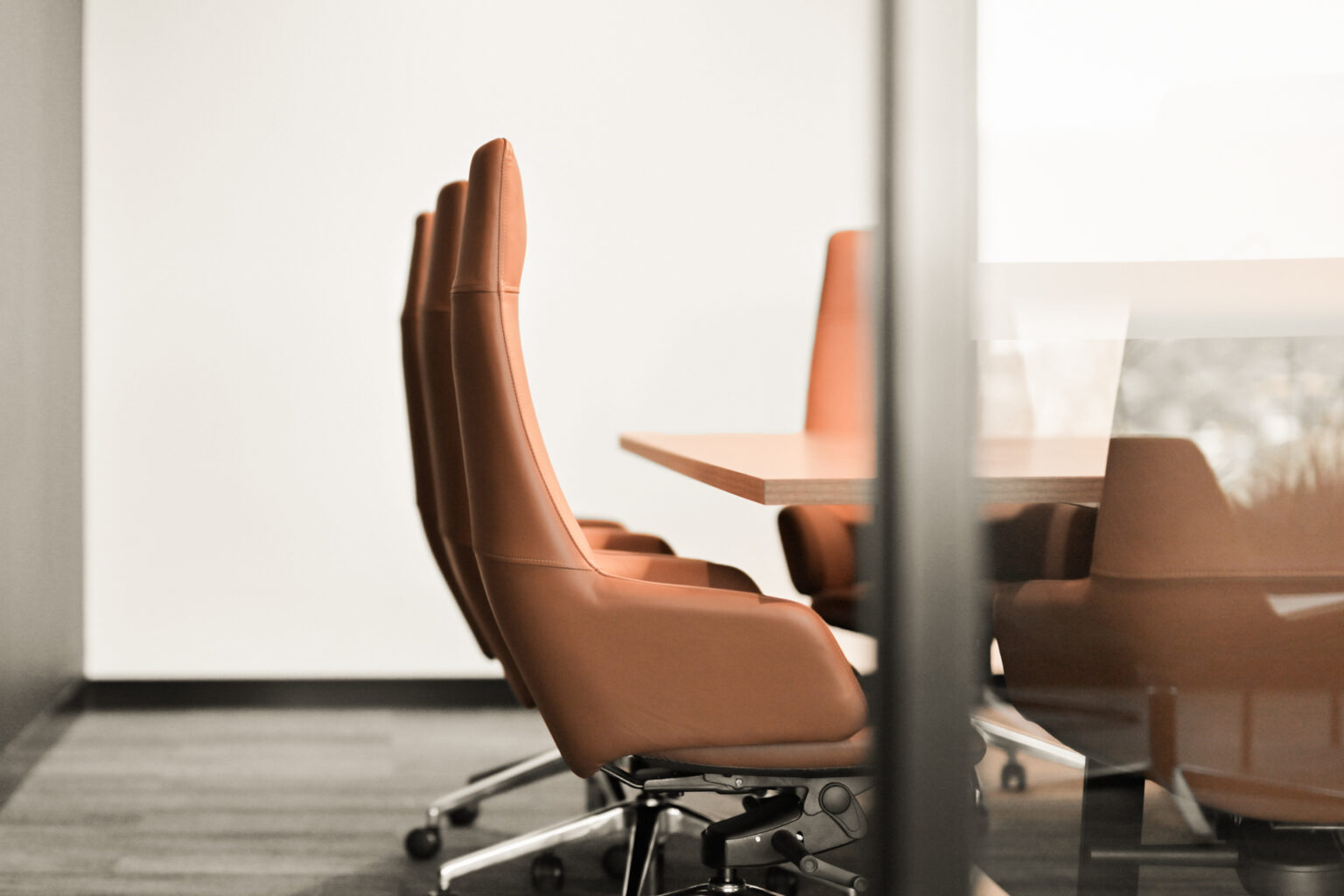
- Meeting rooms for structured collaboration
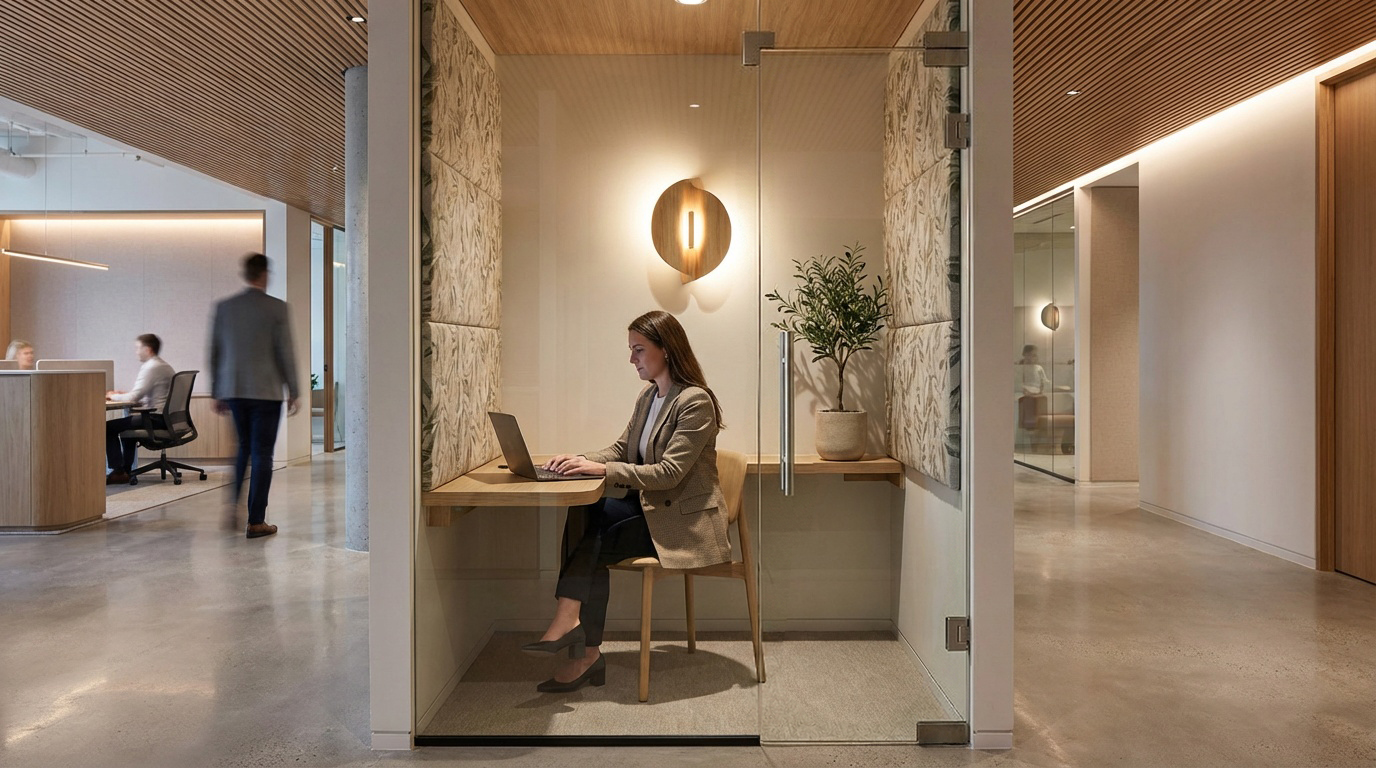
- Phone booths for private calls
By clearly defining the purpose of each space, businesses can control where noise occurs and prevent it from spreading across the entire workplace.
For example, collaboration areas can be positioned away from focused work zones, while enclosed meeting rooms can contain conversations that might otherwise disrupt nearby teams.
This zoning approach supports productivity focused office design by allowing employees to choose environments that suit the task they are performing.
Acoustic Design That Reduces Distractions
Acoustic performance is one of the most important elements when designing collaborative offices without noise. Without proper acoustic treatment, sound travels easily through open environments and creates constant background noise.
Modern office fitouts incorporate a range of acoustic solutions to minimise these disruptions.
Common acoustic design features include:
- Acoustic ceiling panels that absorb sound reflections
- Fabric wall panels that reduce echo and noise transfer
- Carpet tiles that dampen footsteps and movement
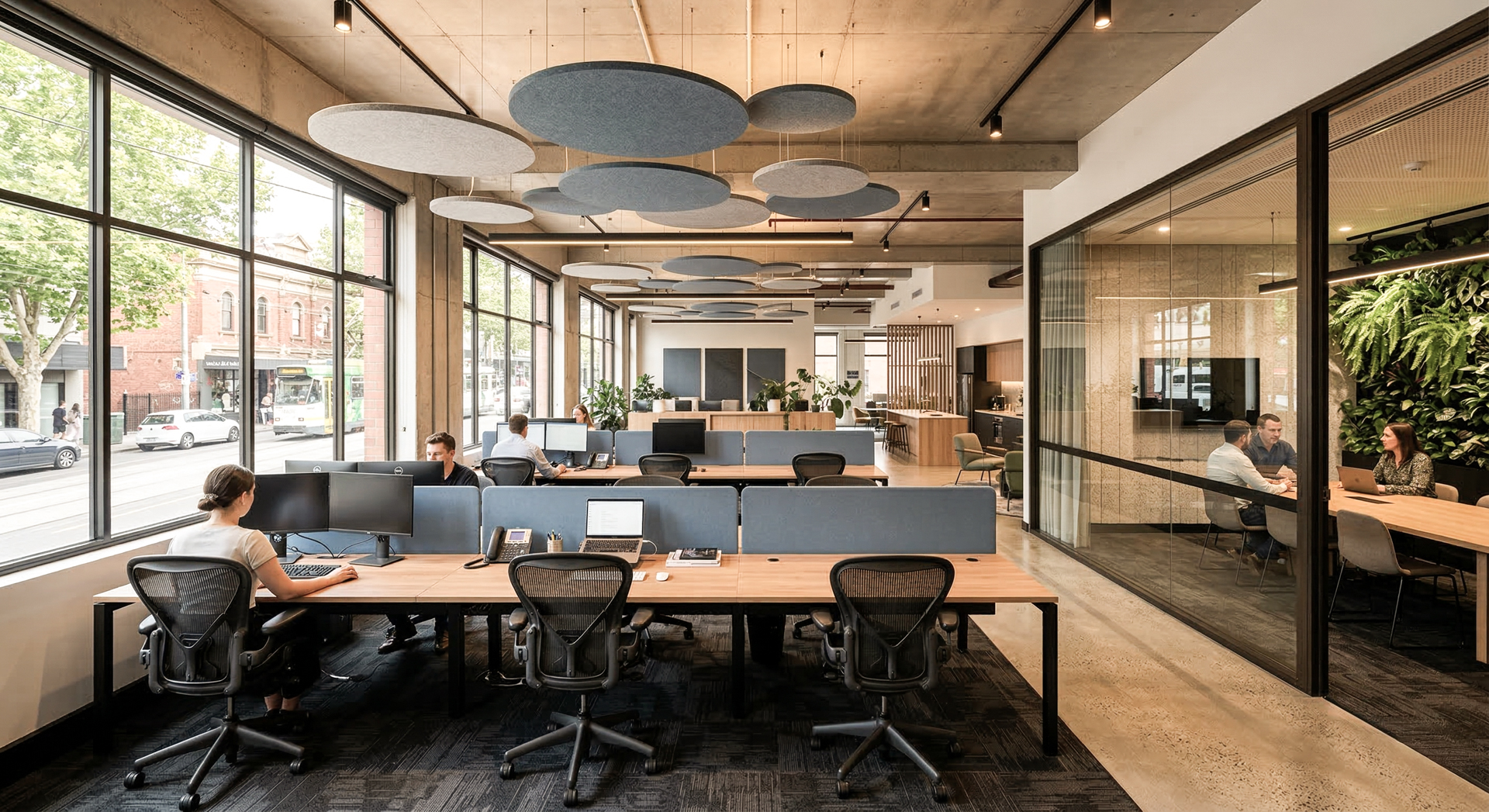
- Acoustic baffles suspended from ceilings
- Sound-absorbing partitions between workstations
These materials help prevent noise from bouncing around the office while still maintaining a visually open and inviting space.
Acoustic design is particularly important in collaborative zones where discussions and group activities are more common. By containing and absorbing sound within these areas, businesses can design collaborative offices without noise spreading into nearby workspaces.
Flexible Workspaces That Adapt Throughout the Day
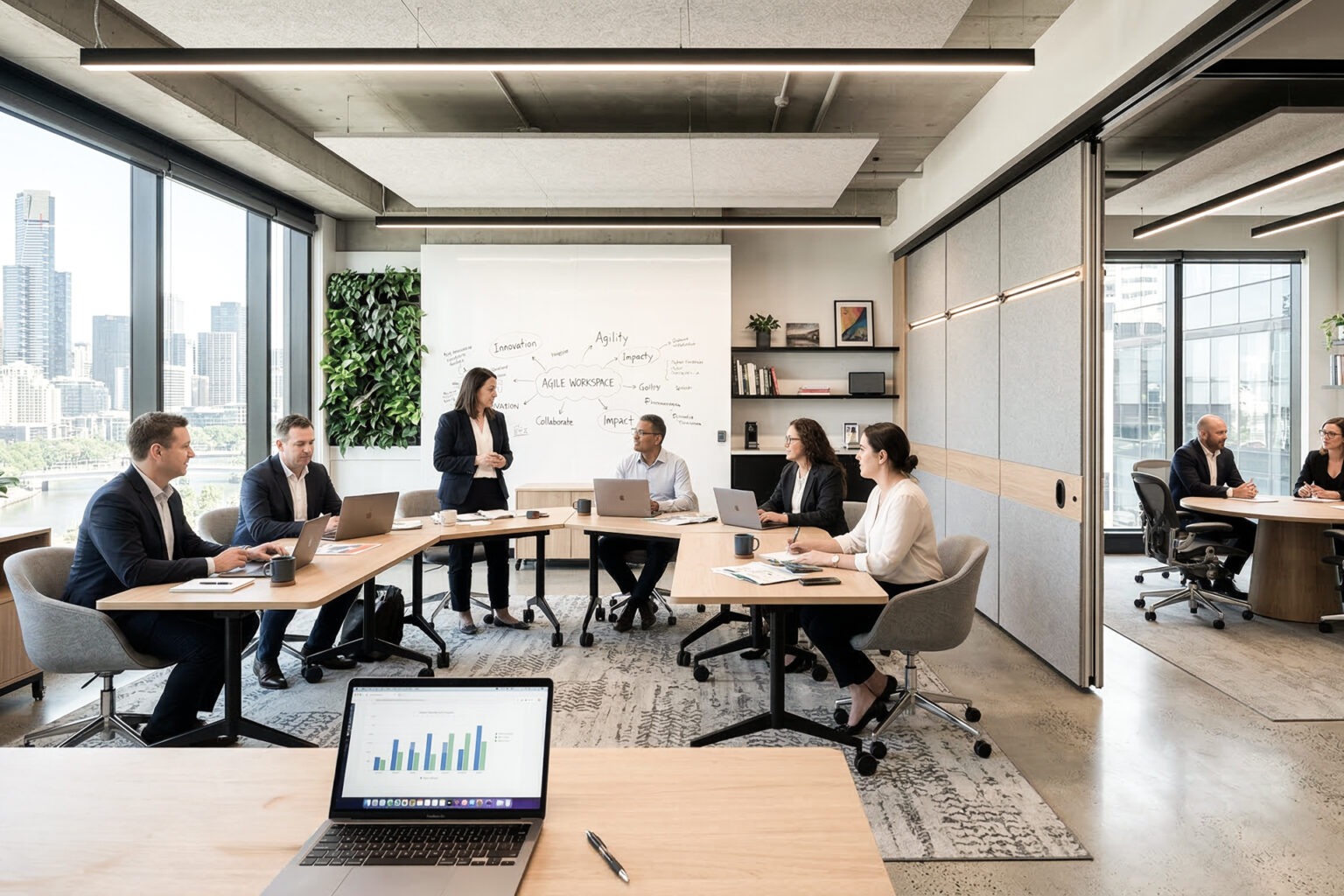
Modern workplaces recognise that employees perform different types of work throughout the day. A workspace that supports collaboration in the morning may need to support focused tasks later in the afternoon.
Flexible design allows offices to adapt to these changing needs.
Some common features of adaptable modern office fitouts include:
- Modular furniture that can be rearranged for group work
- Moveable partitions that create temporary meeting areas
- Multi-purpose spaces that shift between collaboration and focus
- Adjustable lighting to suit different tasks
- Technology-enabled meeting areas for hybrid teams
Flexible spaces allow teams to collaborate when required without permanently increasing noise levels across the workplace.
This adaptability is a key feature of productivity focused office design, ensuring the office continues to support evolving work styles.
Smart Layouts That Encourage Natural Collaboration
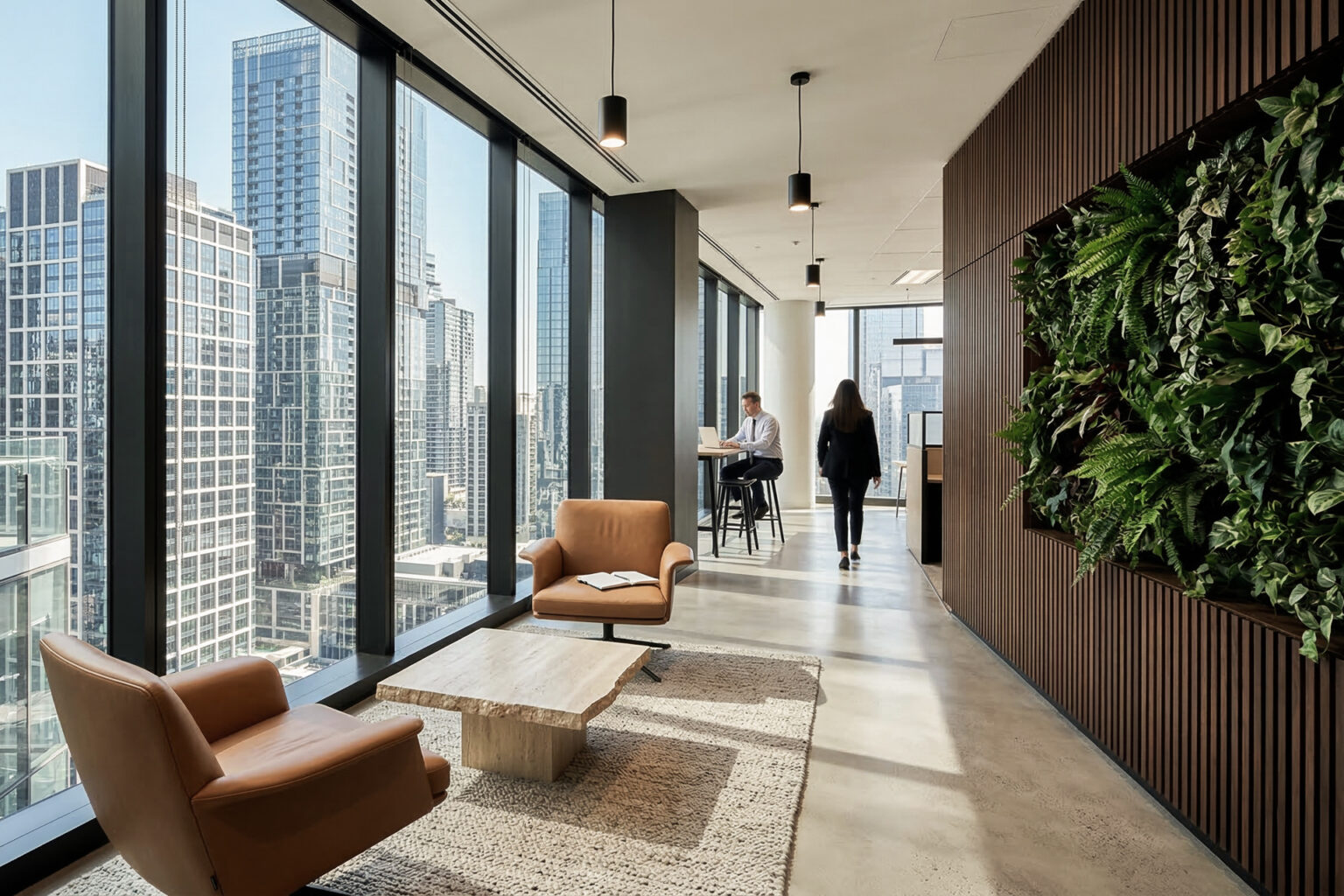
The layout of an office plays a significant role in how people interact. Well-planned modern office fitouts create opportunities for collaboration without forcing constant interaction.
Instead of placing everyone in large open desk areas, productivity focused office design distributes collaborative spaces throughout the office.
Examples of this approach include:
- Small meeting pods located near team areas
- Breakout spaces positioned between departments
- Informal seating areas that encourage spontaneous discussions
- Circulation paths that promote natural interaction
When collaboration spaces are intentionally integrated into the layout, employees have dedicated areas to connect without needing to hold conversations at their desks.
This helps maintain a calmer work environment while still supporting teamwork and knowledge sharing.
Creating Workplaces That Support Both Focus and Teamwork
The most successful workplaces recognise that productivity relies on both collaboration and concentration. A balanced office environment allows employees to connect with colleagues while also providing spaces for uninterrupted work.
Modern office fitouts achieve this balance through a combination of thoughtful zoning, acoustic design, flexible layouts, and integrated technology.
By carefully planning how people interact with the workplace, businesses can design collaborative offices without noise, creating environments that support both creativity and focus.
Designing for Hybrid and Digital Collaboration
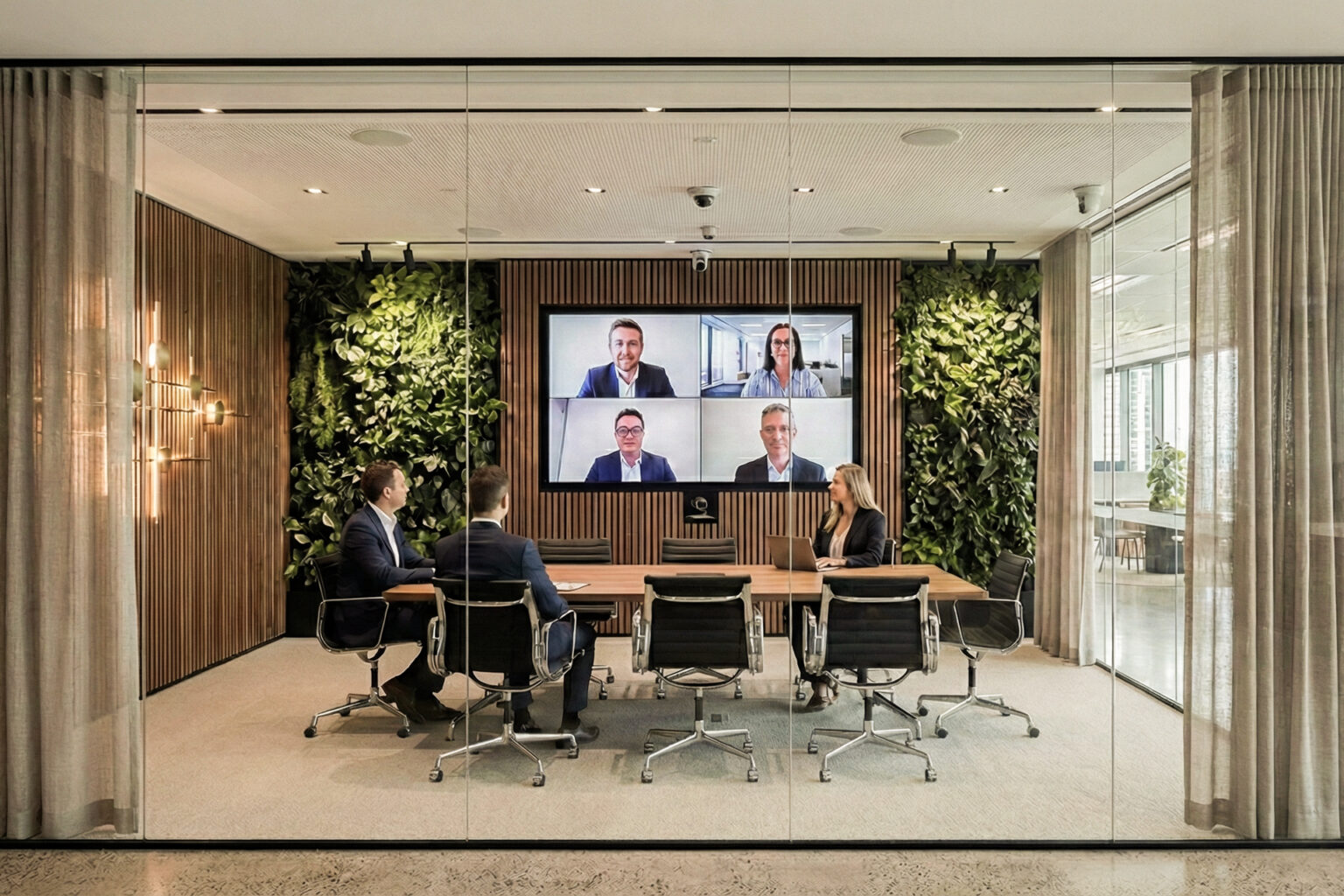
Modern collaboration is no longer limited to in-person conversations. Many workplaces now rely on hybrid communication between employees in the office and remote team members.
To support this, modern office fitouts integrate technology that allows seamless digital collaboration while maintaining a comfortable acoustic environment.
These solutions may include:
- Video-enabled meeting rooms
- Acoustic phone booths for virtual calls
- Soundproof collaboration pods
- Integrated presentation screens and conferencing systems
Providing dedicated spaces for virtual meetings prevents employees from taking calls at their desks, which helps reduce noise across the office.
This approach ensures collaborative work remains organised and contained within appropriate spaces.
Let Sensa Interiors Handle Your Productivity-Focused Office Design
With over 40 years of experience in designing modern office fitouts, we excel at creating workplaces customised to your organisation’s unique needs and workflows.
We know the importance of designing collaborative offices without noise disrupting work and always ensure to integrate acoustic solutions in our projects.
Let us help you create your ideal productivity focused office design. Contact us today to learn more.