Category A vs Category B Fit Out: What's Included, What It Costs and Who Pays
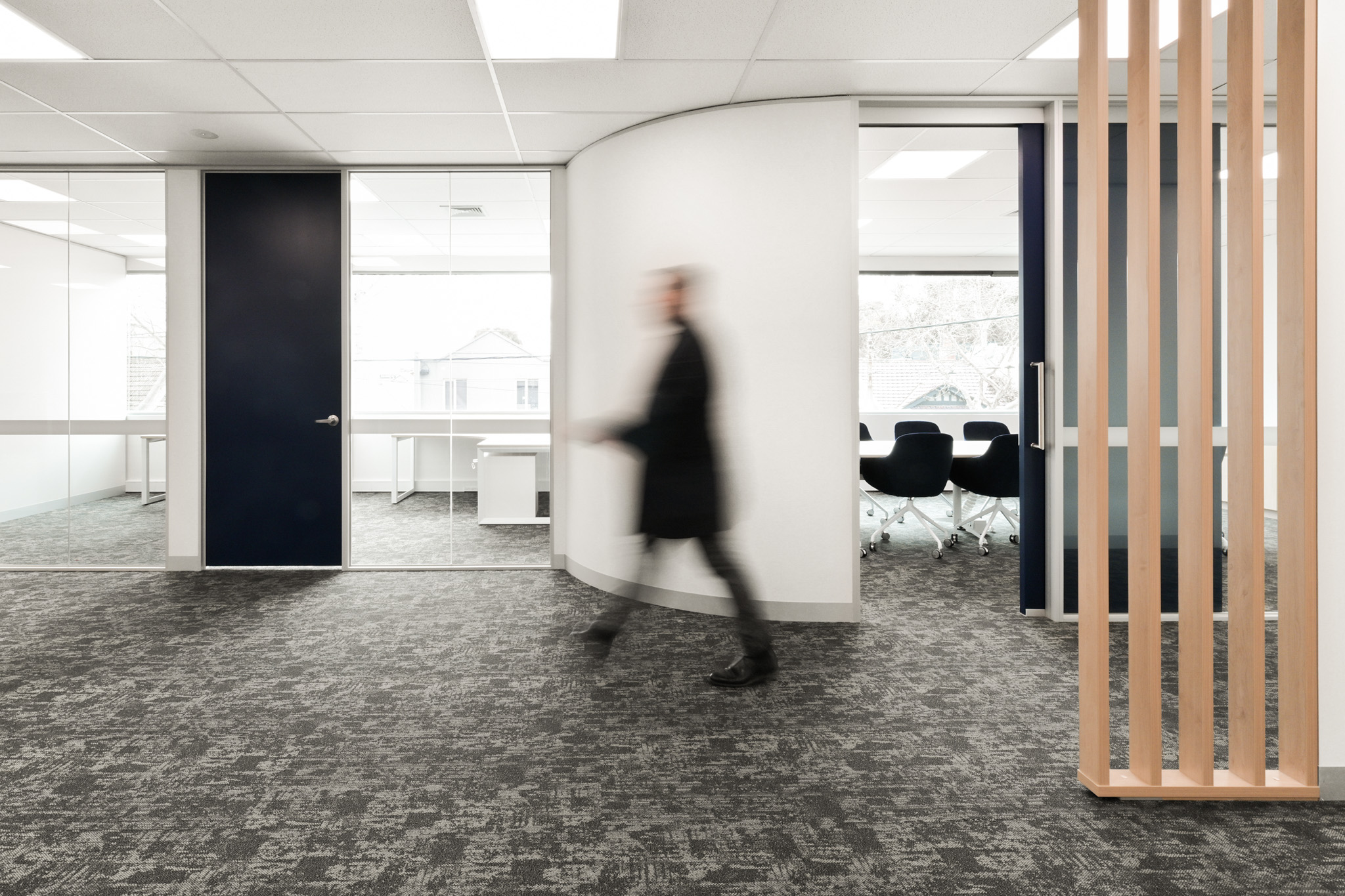
A Category A fit out brings a bare shell up to a usable standard, with ceilings, lighting, air conditioning and fire services, and is usually landlord funded. A Category B fit out is the tenant’s layer of partitions, joinery, furniture, technology and branding.
Where one stage ends and the other begins decides who pays for what. It also shapes your lease negotiation, your budget and your approach.
Below, we explain what each stage includes, what Melbourne businesses can expect to spend in 2026 and how to avoid paying for work the landlord should cover.
What is a Category A Fit Out?
A Category A fit out is the base build. It takes a raw concrete shell and brings it to a standard people could legally and comfortably occupy, even though it has no personality yet.
Most landlords deliver this level before marketing a vacant floor. That is why it is often described as move-in ready but empty.
A typical Category A fit out in Melbourne includes:
- Ceilings and floors, usually suspended ceiling grids and either raised access floors or a finished slab ready for carpet.
- Mechanical services, meaning air conditioning and ventilation laid out for an open floor plate.
- Electrical and lighting, with general lighting across the floor and power distributed to the tenancy.
- Fire and life safety systems, including sprinklers, detection, emergency lighting and exit signage.
- Base finishes, such as painted walls and finished core areas, including lifts, lobbies and bathrooms.
What About Cat A Plus?
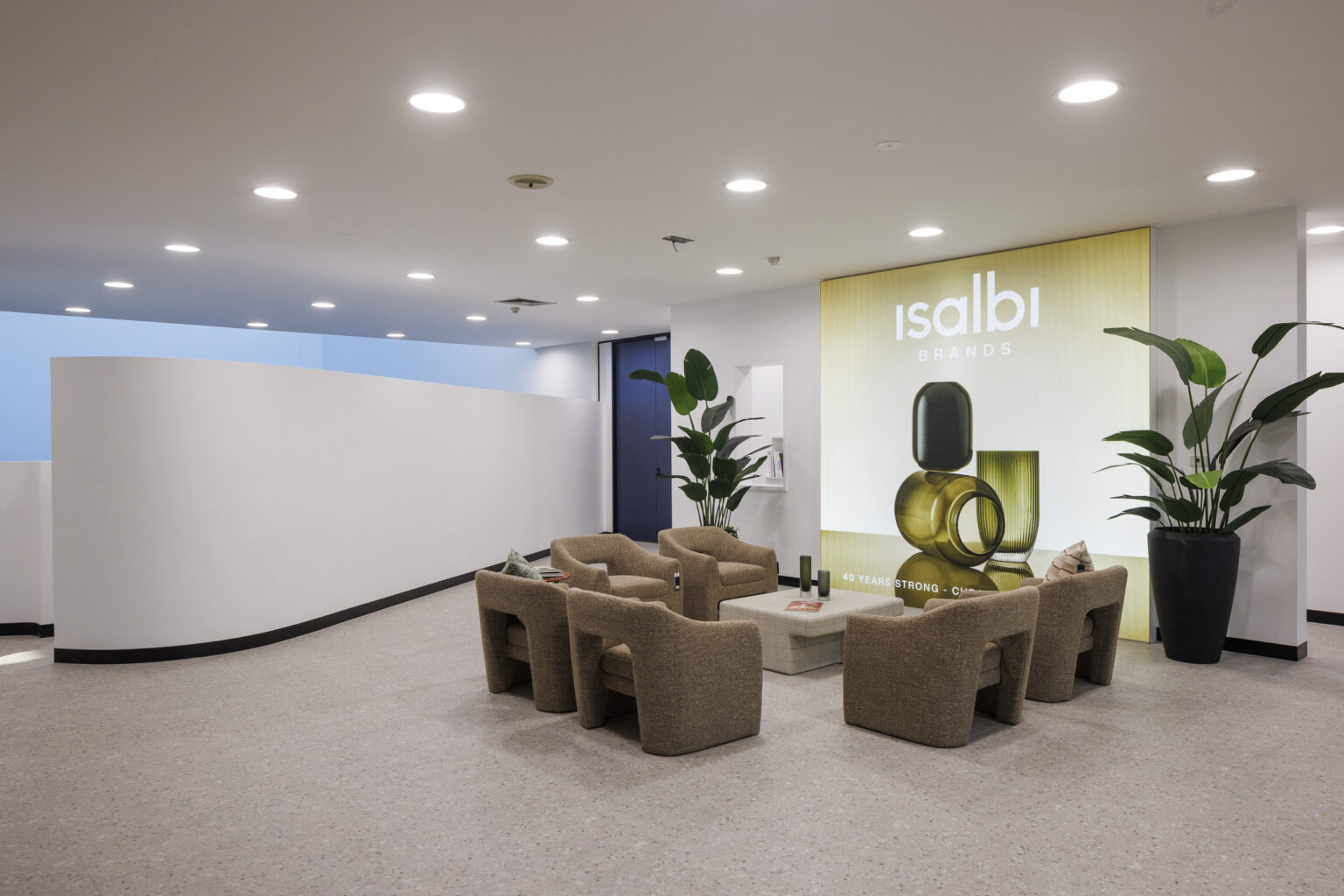
Some landlords go further with a Cat A plus suite, adding a kitchenette, a few meeting rooms and sometimes furniture. It suits businesses that need to move quickly, but the layout is designed for the broadest possible market rather than how your team works.
What is a Category B Fit Out?
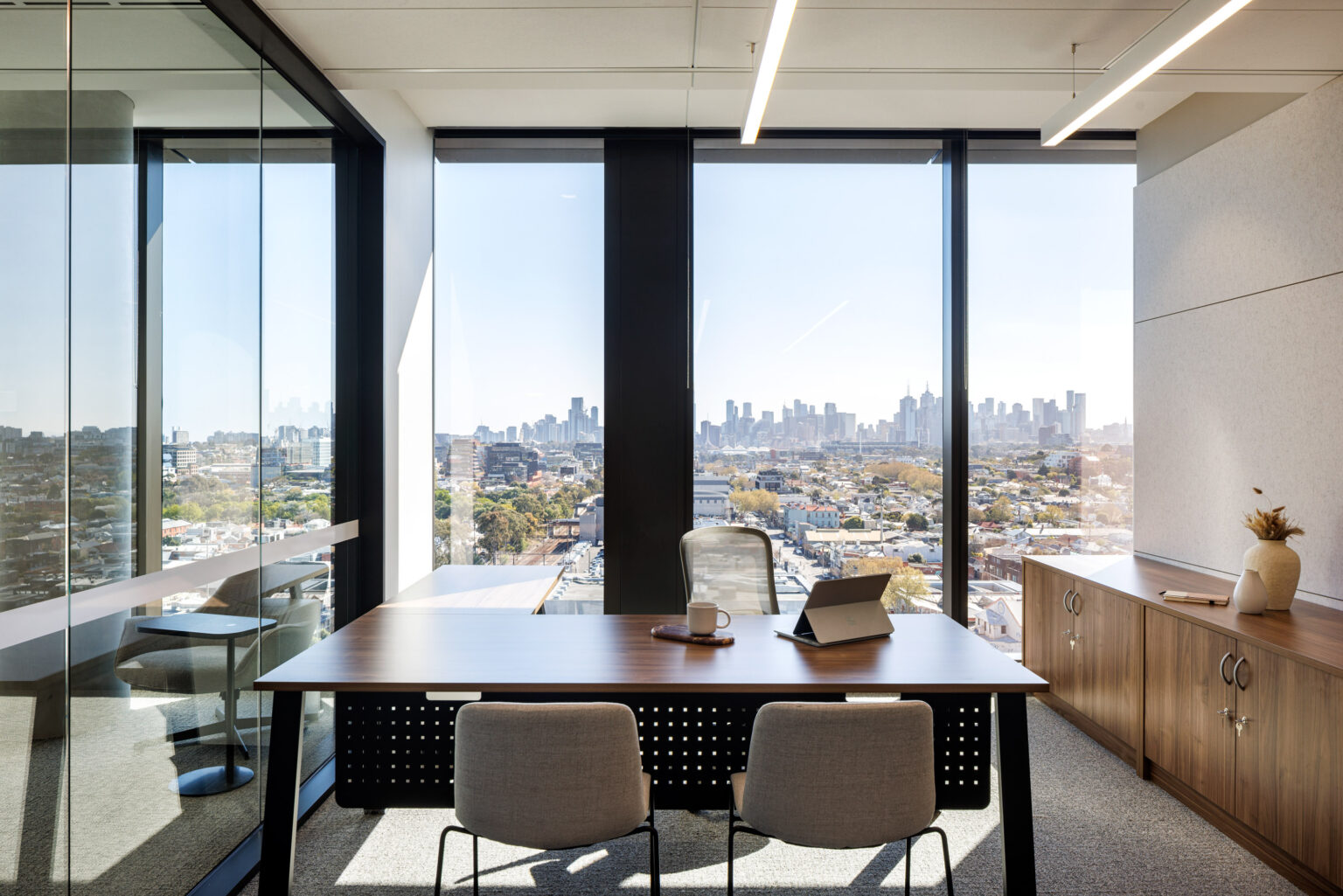
A Category B fit out is where the space becomes your workplace. It responds to how your people work, how clients experience your business and where the organisation is heading.
This is where most of the strategic value sits. The decisions made here affect collaboration, culture and productivity every day of the lease.
What’s included in a Cat B fit out varies by project, but it commonly covers:
- Space planning and partitions, from private offices and meeting rooms to quiet rooms and focus booths.
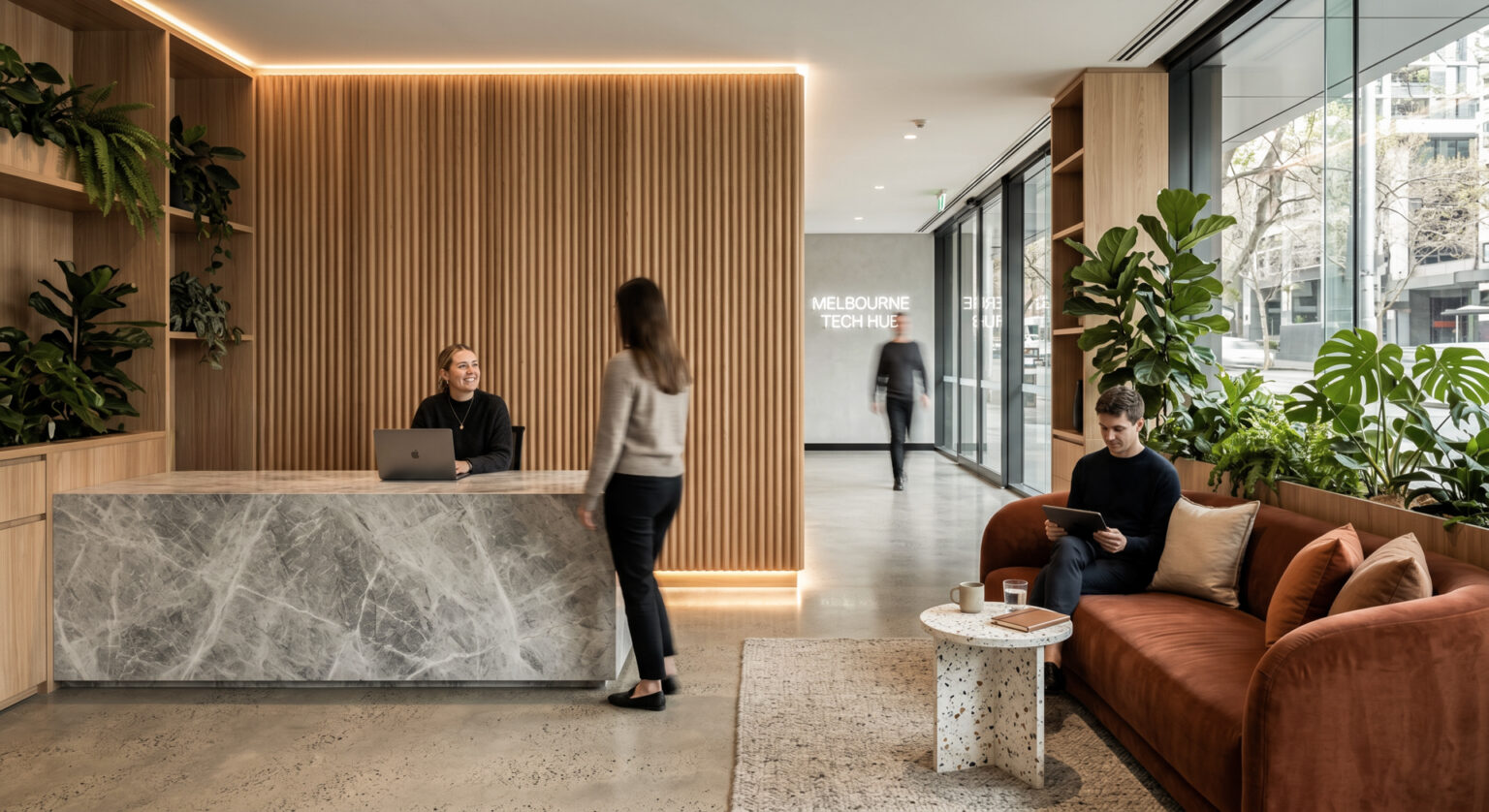
- Joinery and fixtures, such as reception counters, kitchens, storage and feature walls.
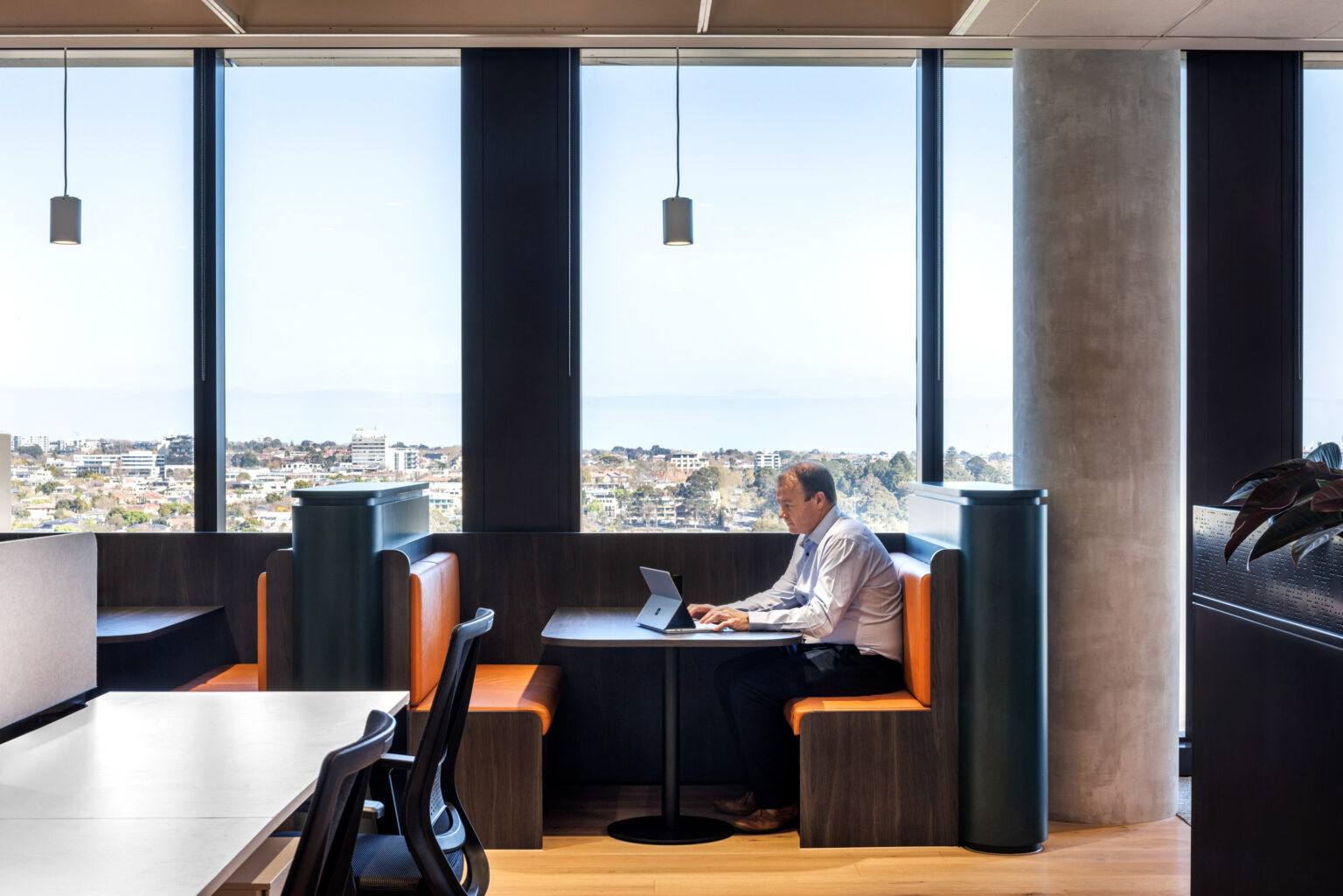
- Furniture and workstations, chosen around the way your teams actually work rather than a standard desk count.
- Technology and AV, including data cabling, video conferencing and meeting room booking systems.
- Finishes and brand expression, covering flooring, wall finishes, signage, lighting features and graphics.
- Services adjustments, where air conditioning, lighting and sprinklers are reworked to suit the new layout.
Where Cat A Ends and Cat B Begins
The overlap is where budgets often come unstuck. When a new layout adds meeting rooms, base build air conditioning, lighting and sprinkler heads usually need relocating, and that cost generally falls to the tenant.
Sometimes ceilings and lighting the landlord has just installed are removed to suit the tenant’s design, so both parties pay for the same item twice. Agreeing the scope line in writing before signing the lease prevents most of these disputes.

What Each Stage Typically Costs in Melbourne
Cost is quoted per square metre of net lettable area, and the spread between the two stages is wide. Independent cost guide What’s The Damage? published these Melbourne bands in October 2026, including GST:
| Fit out stage | Typical range per sqm | Typical midpoint |
| Category A (base building) | $360 to $625 | $470 |
| Category B (standard tenant fit out) | $1,350 to $2,250 | $1,800 |
| Category B (premium specification) | $2,250 to $3,600 | $2,700 |
Refer to the Sensa Office Fitout Cost Guide 2026 to get a better idea of Category B fitout based on various finish levels.
What Drives Your Commercial Fit Out Cost Breakdown
Two tenancies of the same size can be priced hundreds of dollars per square metre apart. The biggest drivers are:
- The condition of the base building, since a tired or partially stripped floor adds work before Cat B can begin.
- Services changes, because relocating air conditioning, power and sprinklers is often the largest hidden cost.
- Specification and joinery, where custom finishes, glazing and feature elements lift the rate quickly.
- Access and program, as after-hours work in occupied buildings adds labour cost.
This is why a Cat A vs Cat B fit out cost comparison should always state exactly what sits inside each rate. A per-square-metre figure without a defined scope cannot be compared fairly with another quote.

Who Pays: Landlord vs Tenant Responsibilities
The general rule is simple. The landlord funds Category A to prepare the building for lease, and the tenant funds Category B to suit its own operations.
In practice, the split is negotiated, and the lease is what ultimately decides it.
| Fit out item | Usually paid by |
| Base ceilings, lighting, HVAC and fire services | Landlord |
| Bathrooms, lifts, lobbies and other core areas | Landlord |
| Partitions, joinery, finishes and branding | Tenant |
| Furniture, data cabling and AV | Tenant |
| Relocating base services to suit a new layout | Tenant, unless negotiated otherwise |
| End-of-lease make good | Tenant, as defined in the lease |
How Incentives Shift the Balance in Melbourne
Melbourne tenants currently hold real bargaining power. Knight Frank’s June 2026 research found average CBD leasing incentives reached a record 48.1%.
Incentives in Flagstaff averaged 55%, while the tightly held Eastern Core sat at 39.7%. They can take the form of rent-free periods, discounted rent or a landlord contribution towards the fit out.
A fit out contribution effectively moves part of the Cat B bill to the landlord. Knight Frank expects incentives to fall once the current construction pipeline is absorbed, so businesses with a lease event soon are well placed to negotiate.
Don’t Overlook Make Good
Make good is the obligation to return the tenancy to an agreed condition when the lease ends, often the Category A standard. It is a separate cost from your fit out and can be significant if the clause is broad.
Ask whether the landlord will accept some Cat B elements being left in place. Have a property lawyer review the clause before you sign.
Frequently Asked Questions
What’s the difference between a Category A and a Category B fit out?
A Category A fit out delivers a functional base building with ceilings, lighting, air conditioning, power and fire services. A Category B fit out adds tenant-specific partitions, joinery, furniture, technology and branding. Cat A makes a space usable, and Cat B makes it yours.
Who pays for a Category A fit out?
The landlord usually pays for a Category A fit out, as it forms part of the base building offered for lease. That cost is generally recovered through rent, so confirm the exact inclusions in writing.
Who pays for a Category B fit out?
The tenant normally funds a Category B fit out, because it is designed around their operations and brand. However, landlords often offer a fit out contribution as an incentive, and in Melbourne’s current market it is well worth negotiating.
How much does a Category B fit out cost in Melbourne?
A standard Category B fit out in Melbourne typically costs $1,350 to $2,250 per square metre including GST, with premium projects reaching $3,600. The final figure depends on the base building, services changes and level of finish.

Plan the Split Before You Sign
The most expensive fit out mistakes rarely happen on site. They happen months earlier, when a lease is signed without a clear view of what each party must fund.
Understanding the difference between Category A and Category B is the first step towards a budget you can rely on.
At Sensa Interiors, this thinking is built into the Discover stage of our SensaARC methodology. Before design begins, we review the base building, test the scope line against your lease and map out a realistic cost plan.
With more than 40 years of experience and over 4,000 projects delivered, we give you one point of accountability from strategy through to handover.
Explore our approach to office fitouts, or see how we deliver commercial office fitouts for Melbourne businesses. Then talk to Sensa Interiors about planning your next fit out.