AI is Changing How We Work. Should it Change the Office too?
Artificial intelligence is already changing how Australian businesses operate. It can summarise information, analyse data, develop ideas and complete routine administration in a fraction of the time these tasks once required.
For business leaders, much of the discussion has centred on productivity, skills, governance and risk. The effect on the physical workplace has received less attention. As AI changes how people spend their working day, leaders need to consider whether their office still meets the needs of their teams.
AI adoption alone does not justify a smaller office or an expensive redesign. It does, however, give leaders a reason to examine whether their current space supports the activities that may become more important, including focused review, informed decisions, collaboration, learning and responsible oversight.
For businesses approaching a lease renewal, relocation or refurbishment, that examination should happen before headcount and desk numbers become the basis of the brief.
AI is changing how people use their time
AI adoption is growing quickly. According to the Australian Bureau of Statistics, 12 per cent of Australian businesses used AI in 2024 to 2025, compared with 1 per cent in 2022 to 2023. Adoption reached 35 per cent among large businesses and 22 per cent among medium sized businesses.
Many of the first workplace applications have focused on individual productivity. Employees can prepare meeting notes, search large volumes of information, develop a first draft or produce an initial analysis more quickly.
A faster first draft does not remove the need for human judgement. Someone still needs to check the facts, question the assumptions, consider the commercial context and take responsibility for the decision. In many organisations, the time saved on routine production will be redirected towards review, client conversations, problem solving and coordination with colleagues.
Research from the Gensler Research Institute provides an early indication of this shift. Its 2026 survey of more than 16,400 office workers across 16 countries found that frequent AI users spent less of their week working alone than later adopters, 37 per cent compared with 42 per cent. They also reported spending more time learning, 12 per cent compared with 8 per cent.
The research does not prove that AI caused these differences, and the pattern will not apply equally to every business. It does challenge the assumption that greater use of AI will make work entirely more isolated. As routine tasks become faster, interaction and judgement may account for a larger share of the working day.

Productivity gains do not automatically mean less space
For a CEO or CFO, the distinction matters. A task taking less time is not the same as a role disappearing, and a reduction in routine work does not automatically reduce office attendance or the need for space.
A business that reduces its footprint before understanding how work has changed may simply replace one problem with another. It could remove underused desks, only to find that employees cannot access the focus rooms, project settings or private spaces they need to use AI effectively and discuss its outputs responsibly.
Consider a professional services firm where AI helps consultants prepare the first version of a report. Less time may be spent writing at a workstation, but more time may be spent checking recommendations with senior colleagues, discussing implications with clients and refining the final advice. The appropriate workplace response may be a different mix of settings rather than a smaller office.
Any decision about space should therefore be based on attendance, utilisation and the activities people need to perform. AI adoption is an input into that decision, not a shortcut to the answer.

Where AI could affect workplace requirements
Focus and privacy for AI enabled work
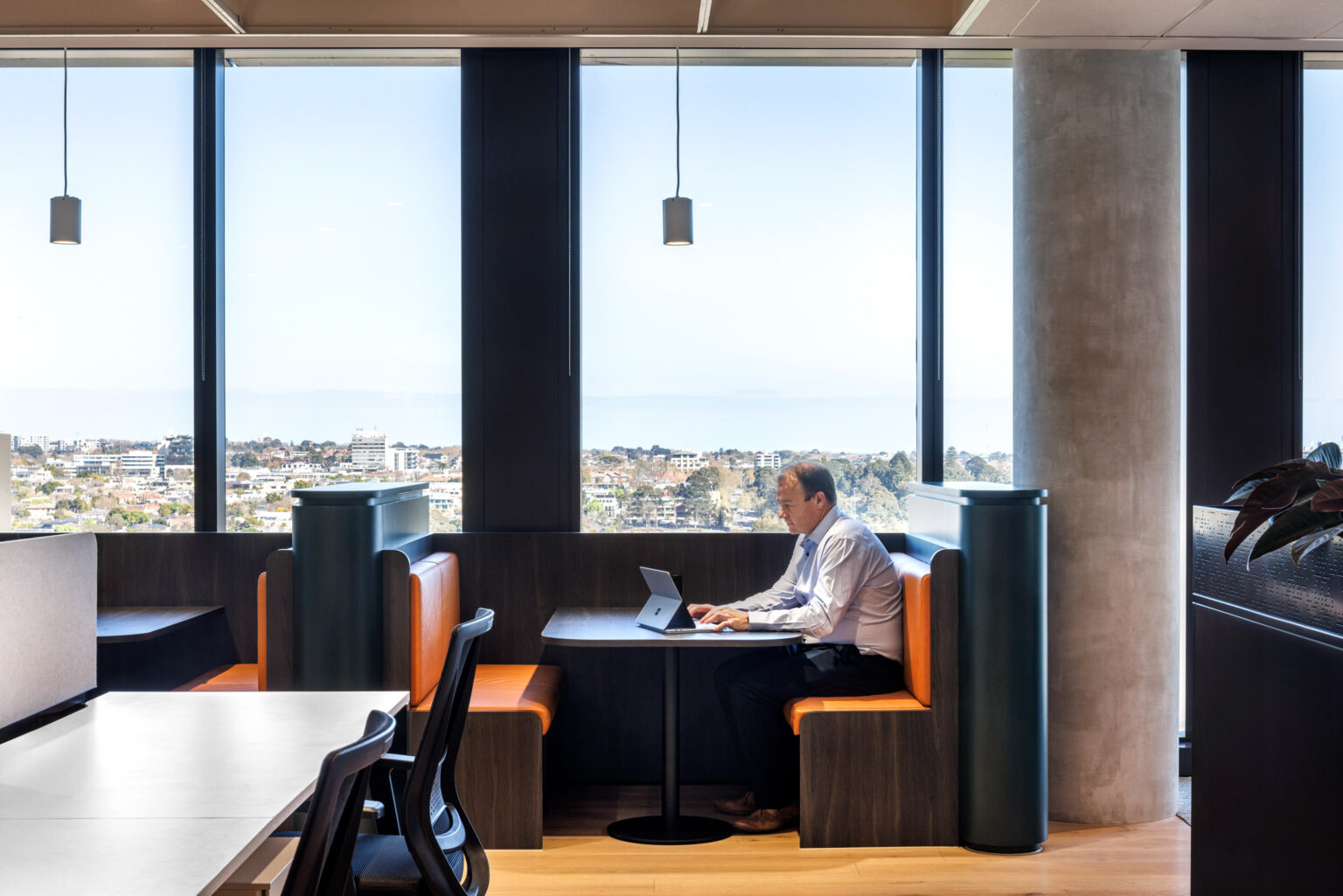
As AI reduces the time required to prepare initial work, employees may spend more of their day completing short periods of detailed review. Nearby focus rooms and quiet settings can provide the concentration needed to compare source material, identify errors and refine AI generated work without occupying a larger meeting room.
AI can also introduce privacy risks through the information entered into prompts and the content it produces. Employees may be working with confidential client, employee or commercial information, while AI meeting assistants may record and transcribe conversations that should not be overheard.
This may influence the location and acoustic performance of enclosed rooms, the positioning of screens and the ability to disable AI transcription in meeting spaces. These measures improve how existing spaces support AI use without creating a general case for more office space.
More settings for decisions and collaboration
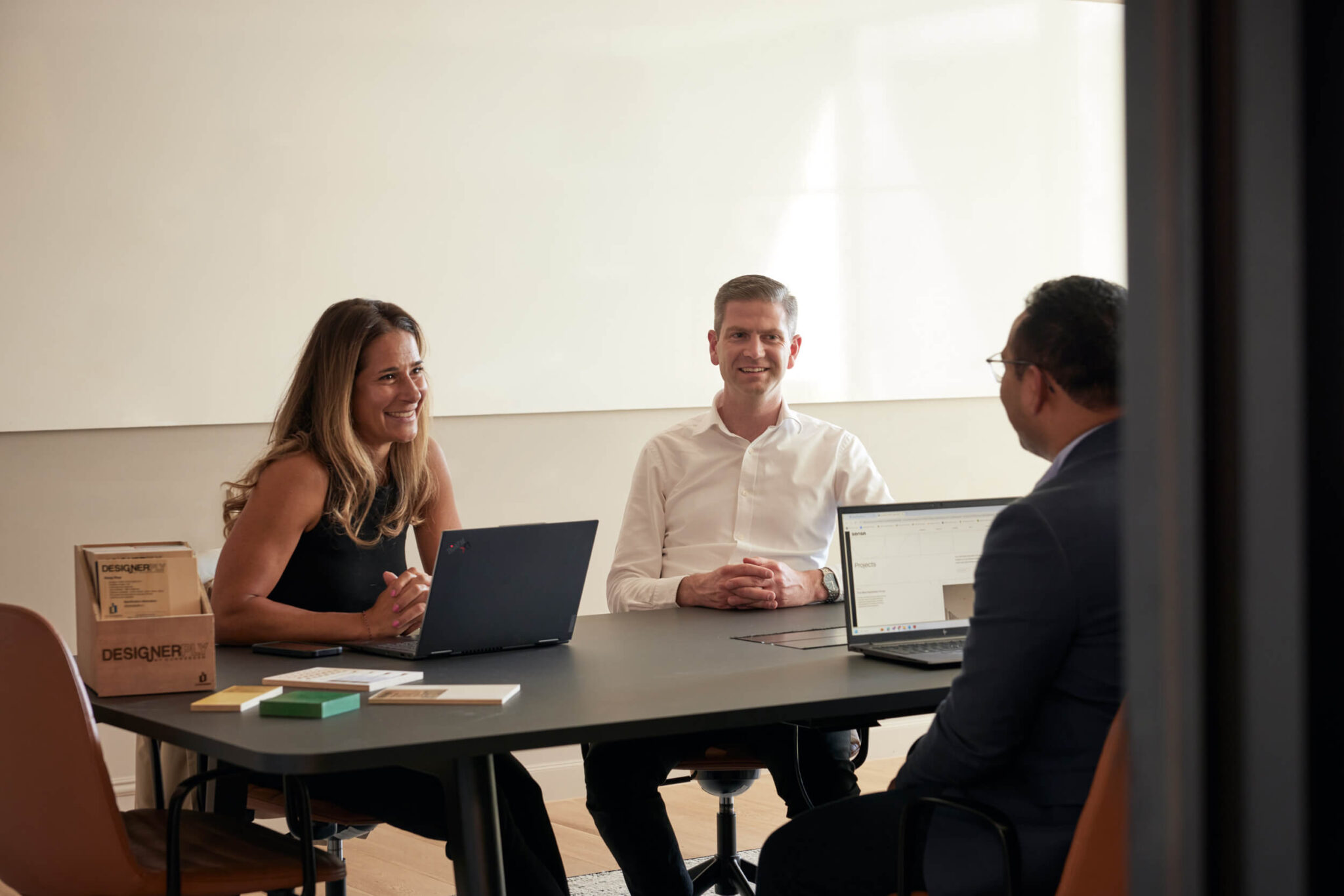
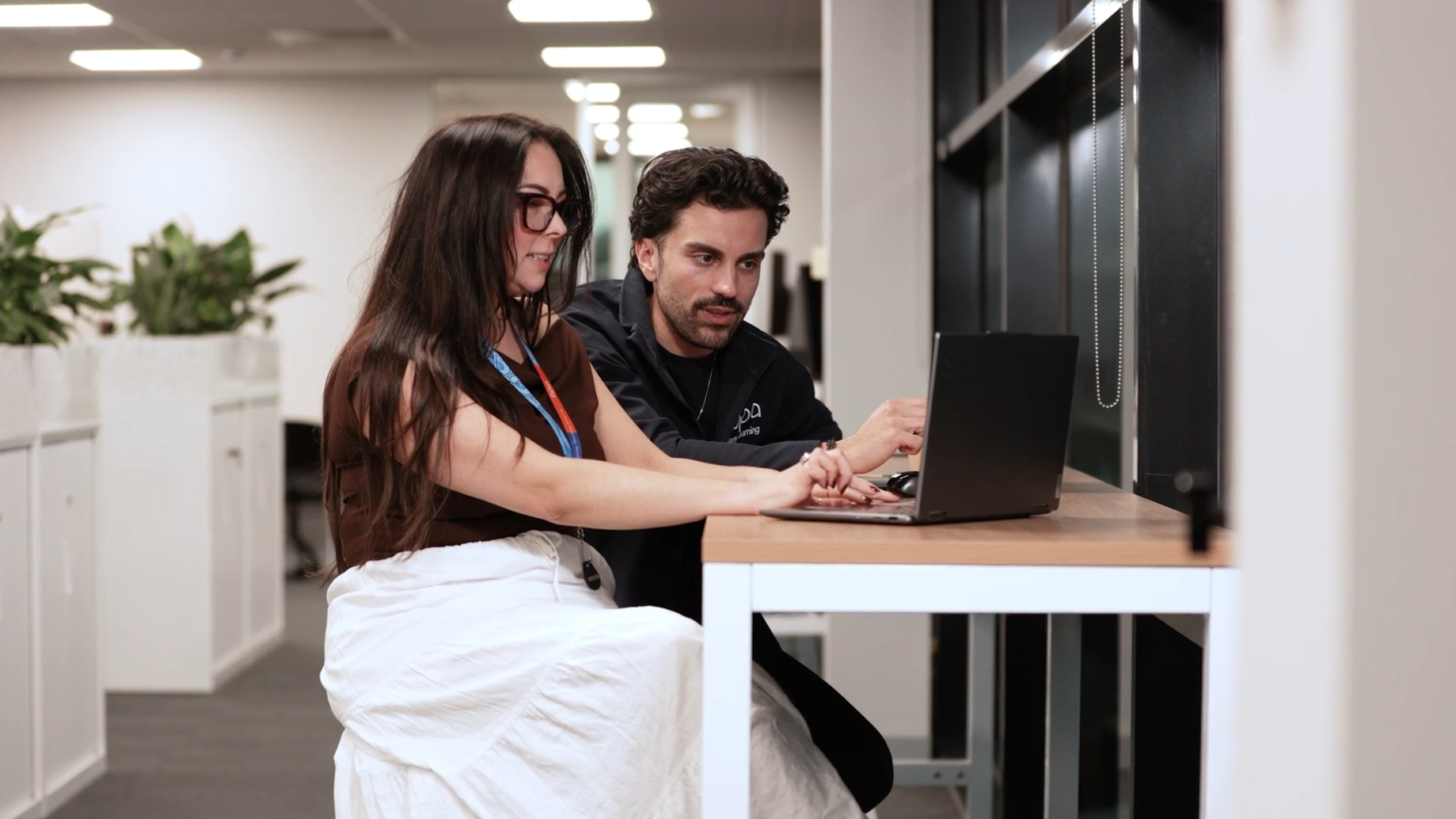
AI can produce options quickly. Teams still need to decide which option is accurate, appropriate and worth pursuing. That can increase demand for small meeting rooms, project spaces and informal settings where colleagues can review material together and make a decision.
These spaces should make it easy to share a screen, include remote participants and move between a short review and a longer working session. The objective is not to add meeting rooms indiscriminately. It is to provide settings that match the size, duration and sensitivity of the conversations taking place.
Learning that happens during everyday work
AI adoption is not a single software rollout. Tools will keep changing, and employees will need ongoing opportunities to learn how to use them safely and effectively.
The Australian Government’s guidance for AI adoption places accountability, human oversight and training at the centre of responsible implementation. Policies establish expectations, but employees also need opportunities to test those expectations against real work.
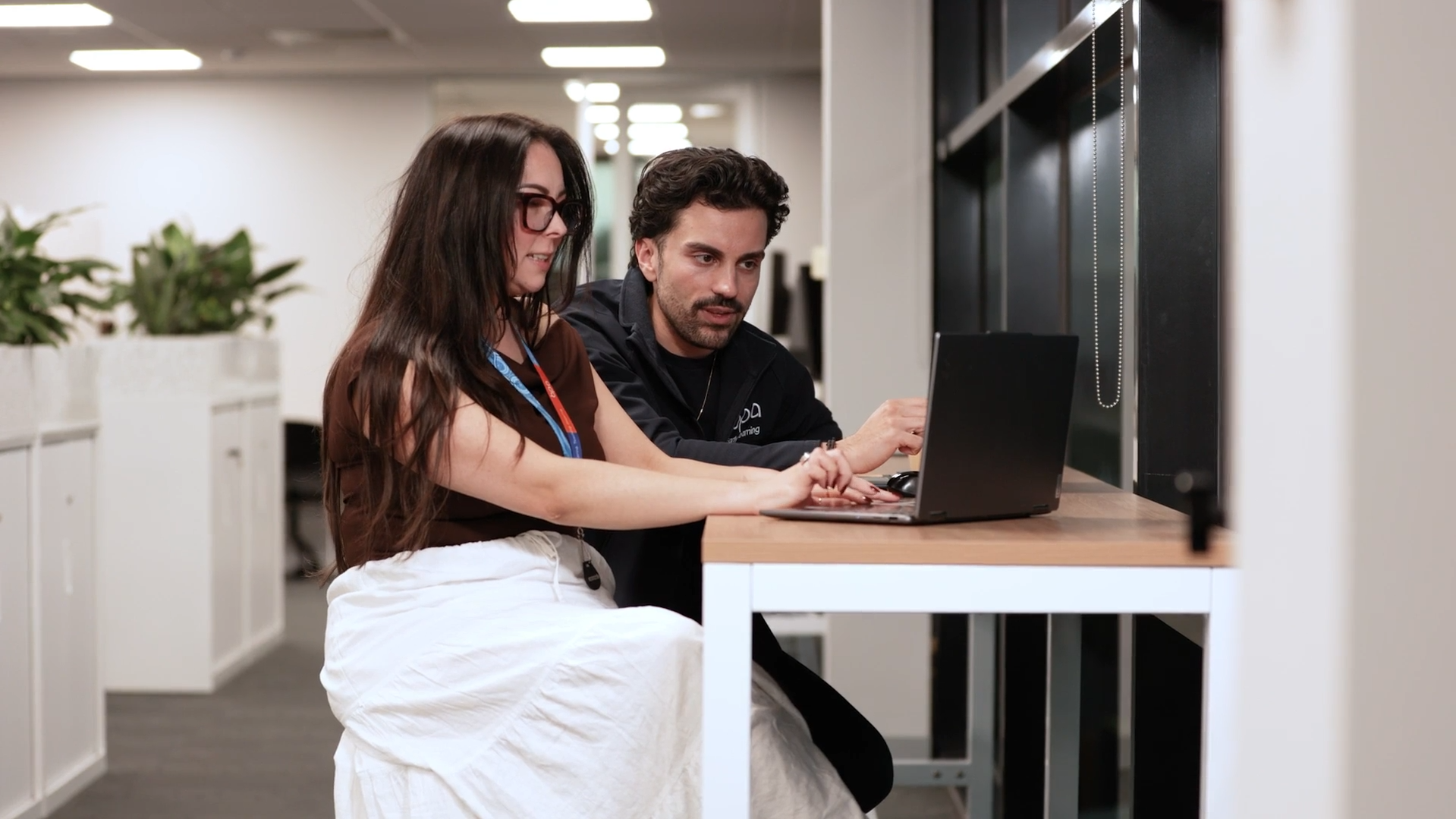
Flexible training rooms and project spaces can support formal sessions, demonstrations and team discussions. Informal learning also matters. Employees often build confidence by watching how a colleague frames a request, checks an output or identifies an error.
How to decide whether your workplace needs to change
Before committing to a design response, leaders need evidence from their own business. A useful review should answer the following questions:
- Which teams are using AI regularly, and for which tasks?
- Which activities are becoming faster, and where is the saved time being redirected?
- Are employees spending more time reviewing work together or seeking quiet space to concentrate?
- Are room bookings, noise complaints or informal workarounds revealing gaps in the current office?
- Do voice enabled tools, confidential information or screen based work create new privacy concerns?
- What changes are expected in headcount, attendance and role design over the next two to three years?
Staff consultation should be tested against utilisation data, room bookings, workplace observation and an assessment of current workflows. Employees can explain where work feels difficult. The data helps determine whether the issue is widespread, limited to one team or concentrated at particular times.
The evidence may point to one of four responses:
- Keep the current workplace. No physical change may be required if AI use remains limited and the existing mix of settings is performing well.
- Make targeted improvements. Acoustic treatment, additional screens, better connectivity or a small number of focus settings may resolve a specific problem without a broader refurbishment.
- Reconfigure the existing space. A clear imbalance between workstations and spaces for review, privacy or learning may justify changing the mix of settings.
- Undertake broader workplace planning. A lease event, significant change in operating model or sustained shift in role requirements may warrant a full workplace strategy and design review.
This approach gives leaders a proportionate response. It also prevents AI from becoming a convenient reason for changes that the business cannot support with evidence.
Make the commercial decision at the right time
Workplace changes compete with other priorities for capital. The aim should be to improve performance without committing the business to more work than the evidence supports.
For some organisations, that will mean making a few targeted improvements now and reviewing their effect. For others, an approaching lease expiry or relocation will create a natural opportunity to reconsider the whole workplace. Connecting the review to an existing property decision can help avoid duplicated work and premature spending.
Flexibility also reduces the risk of getting the forecast wrong. Movable furniture, adaptable project areas and spaces that can support more than one activity allow the office to change as roles develop. This is often a more practical investment than designing permanent spaces around today’s AI tools.
The financial question is therefore broader than the cost of a fitout. Leaders should consider the cost of space that is poorly used, the operational effect of environments that do not support the work, and the future cost of changing a rigid design. These factors can then be assessed alongside rent, capital expenditure and the remaining lease term.
Plan for the work that is actually emerging
No business can predict exactly how AI will affect every role over the next five years. It can identify what is already changing and plan from there.
The most useful starting point is not the technology itself. It is the work. Look at where people need concentration, where decisions are made, how knowledge is shared and what risks need to be managed. Then compare those requirements with what the current workplace can support.
For Melbourne businesses considering a relocation, refurbishment or lease renewal, this creates a more reliable brief. It allows the workplace to respond to real changes in behaviour while remaining flexible enough for what comes next.
AI may change how much time people spend on particular tasks. The value of the workplace will depend on how well it supports the judgement, learning and interaction that surround those tasks.
Planning how your workplace needs to evolve? Talk to our workplace specialists about creating a functional, flexible and future ready office based on how your business actually works.