When Others Pull Back, Is It Time to Move Forward?
Running a business has never been about waiting for perfect conditions. Markets change, costs rise and unexpected challenges emerge. What matters is how we respond and the decisions we make about the future.
Right now, Australian businesses are facing pressure from several directions. Inflation remains elevated, interest rates have risen and high fuel prices are affecting operating costs across the economy.
The Reserve Bank of Australia raised the cash rate to 4.60% in September 2026, while the Westpac–Melbourne Institute Consumer Sentiment Index fell to 84.4 during the same month.
Higher fuel costs are adding another layer of pressure. As the ACCC’s October fuel monitoring report highlights, petrol and diesel prices remain elevated, affecting transport, freight and supply chains. Businesses are facing higher delivery costs and tighter operating margins, while households have less flexibility in their spending.
In this environment, it’s understandable that many businesses are reviewing budgets and reconsidering major investments.
As a business leader, I appreciate the importance of protecting financial stability. But I also believe that when conditions are challenging, it’s worth looking beyond the immediate pressures to consider where the next opportunity might come from.
Sometimes, the decision to move forward while others are holding back can be what sets a business apart.
Challenging Markets Can Create Unexpected Opportunities
When the economy is growing strongly, businesses are often focused on meeting demand, expanding operations and keeping pace with their customers.
There isn’t always much time to stop and consider what could be done differently.
A more challenging environment can change that. It encourages us to examine our operations more closely, question established processes and identify opportunities that may have been overlooked.
For some organisations, this might mean improving technology, developing new services or investing in the capabilities needed to reach new markets. Others may find opportunities to strengthen supplier relationships, negotiate better commercial arrangements or improve their customer experience.
These initiatives can help build a more capable and resilient business, regardless of how quickly the economy recovers.
What Successful Businesses Do Differently
A McKinsey study examining approximately 2,000 companies across economic cycles found that organisations which consistently outperformed their peers approached challenging periods with a combination of financial discipline and strategic investment.
They managed expenditure carefully while continuing to protect important capabilities and pursue selected opportunities for growth.
What I find particularly interesting is that these businesses were not necessarily spending more across the board. They were making deliberate choices about where their resources could create the greatest value.
It’s a useful reminder that strong leadership is not simply about deciding when to spend or save. It’s about understanding which decisions will strengthen the business over time.

Rising Costs Are Changing the Way Businesses Operate
The recent increase in fuel prices is a clear example of how external pressures can influence everyday business decisions.
For businesses managing vehicle fleets, freight or distribution networks, higher fuel costs have a direct financial impact. But the effects reach much further.
Suppliers may increase their charges to recover transportation expenses, construction materials can become more costly to deliver, and service providers may need to reassess pricing.
For companies already managing higher borrowing costs and wage pressures, these additional expenses can significantly affect operating budgets.
However, rising costs can also become a catalyst for positive change.
Businesses may discover opportunities to consolidate services, improve procurement, streamline workflows or reduce unnecessary operational expenditure.
Efficiency Is About Creating Value, Not Simply Cutting Costs
I think there’s an important distinction between reducing expenditure and improving efficiency.
Cost cutting focuses on what can be removed. Efficiency asks how the business can achieve more with the resources available.
A technology investment that reduces repetitive administration, for example, may allow employees to focus on more valuable activities. Better coordination between departments can reduce delays and improve service delivery.
These changes may not always produce immediate financial returns, but they can help create a stronger foundation for future performance.
And in a market where every dollar matters, making existing resources work harder is an opportunity worth exploring.
Could Your Existing Workplace Be Doing More?
The same principle applies to the physical workplace.
For many organisations, office premises represent a significant financial commitment. Rent, utilities, maintenance and associated costs continue regardless of how effectively the space supports business operations.
Yet workplaces often remain largely unchanged even as the organisations occupying them evolve.
Teams expand, operational priorities shift and technology changes the way people work. A space that suited the business several years ago may no longer be the best fit.
From my perspective, this creates an interesting opportunity.
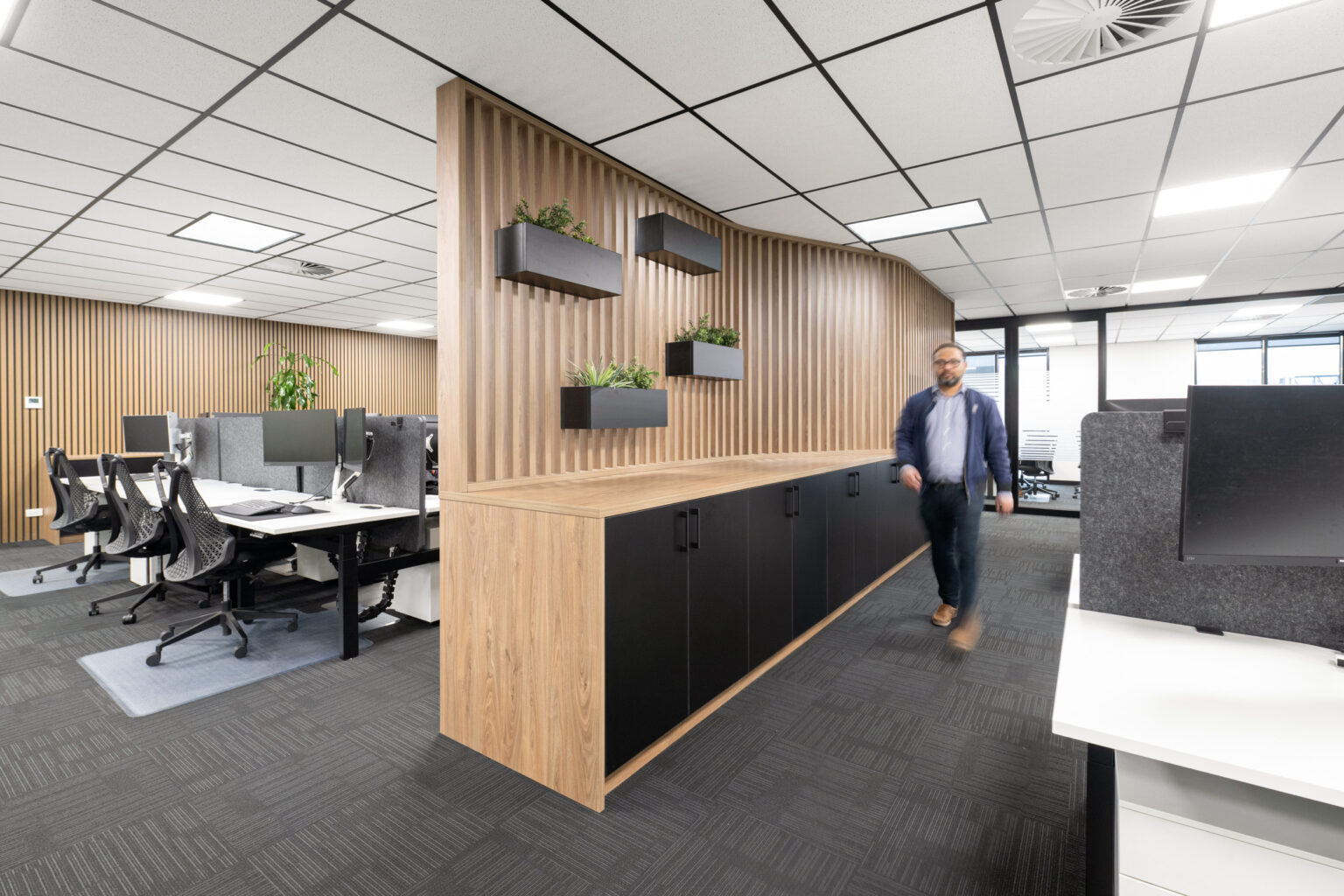
Rather than immediately considering a larger office or a complete renovation, businesses can first examine whether their existing workplace is being used to its full potential.
Could a different layout accommodate future growth? Would better meeting facilities improve communication between teams? Could underutilised areas be transformed into spaces that support more valuable activities?
These are practical questions with commercial implications.
Workplace Investment Should Support Business Ambitions
At Sensa Interiors, we believe the best workplace decisions begin with understanding the business rather than focusing immediately on the physical space.
For one organisation, the priority may be increasing capacity without expanding its footprint. For another, it could be improving client experiences, supporting collaboration or creating a workplace that better reflects its brand.
Importantly, meaningful improvements don’t always require a major construction project.
Targeted upgrades, thoughtful space planning and flexible furniture solutions can sometimes achieve significant improvements with a more manageable investment.
The opportunity lies in identifying what will genuinely support the organisation’s objectives and developing an approach that makes commercial sense.
Getting Ready for What's Next
One thing experience teaches us is that economic conditions rarely change overnight.
Interest rates may take time to stabilise, consumer confidence can recover gradually and different industries often respond to market conditions at different speeds.
But businesses don’t need to wait for every economic indicator to improve before thinking about their future.
In fact, some of the most valuable work can happen well before a major investment decision is made.
Understanding future capacity requirements, assessing existing operations, exploring options and developing realistic budgets can all help businesses prepare for new opportunities.
For workplace projects, early planning also provides time to evaluate different solutions, understand potential costs and establish priorities before committing to construction.
As we approach 2027, I believe this is a particularly valuable conversation for business leaders to have.
Not simply what needs to be achieved in the next quarter, but where the organisation wants to be in three or five years.
Because having a clear direction makes it easier to recognise the right opportunities when they arise.
Looking Ahead With Confidence
Despite the economic challenges we are facing, I’m optimistic about the opportunities ahead for Australian businesses.
We have innovative organisations, talented people and business leaders who are constantly finding better ways to operate, serve their customers and create value.
Those strengths don’t disappear when market conditions become difficult.
Of course, every investment needs to be considered carefully. Financial discipline and realistic planning remain essential.
But I don’t believe challenging conditions should limit our ambition.
As we look towards 2027, perhaps this is an opportunity to take stock of what we’ve built, recognise where we can improve and consider what we want to achieve next.
Whether that means investing in people, improving operations, strengthening customer relationships or creating a workplace that supports future growth, progress can begin with a single well considered decision.
We may not be able to control the economic environment, but we can control how we prepare for what comes next.
And sometimes, that’s where the greatest opportunities begin.
About the Author
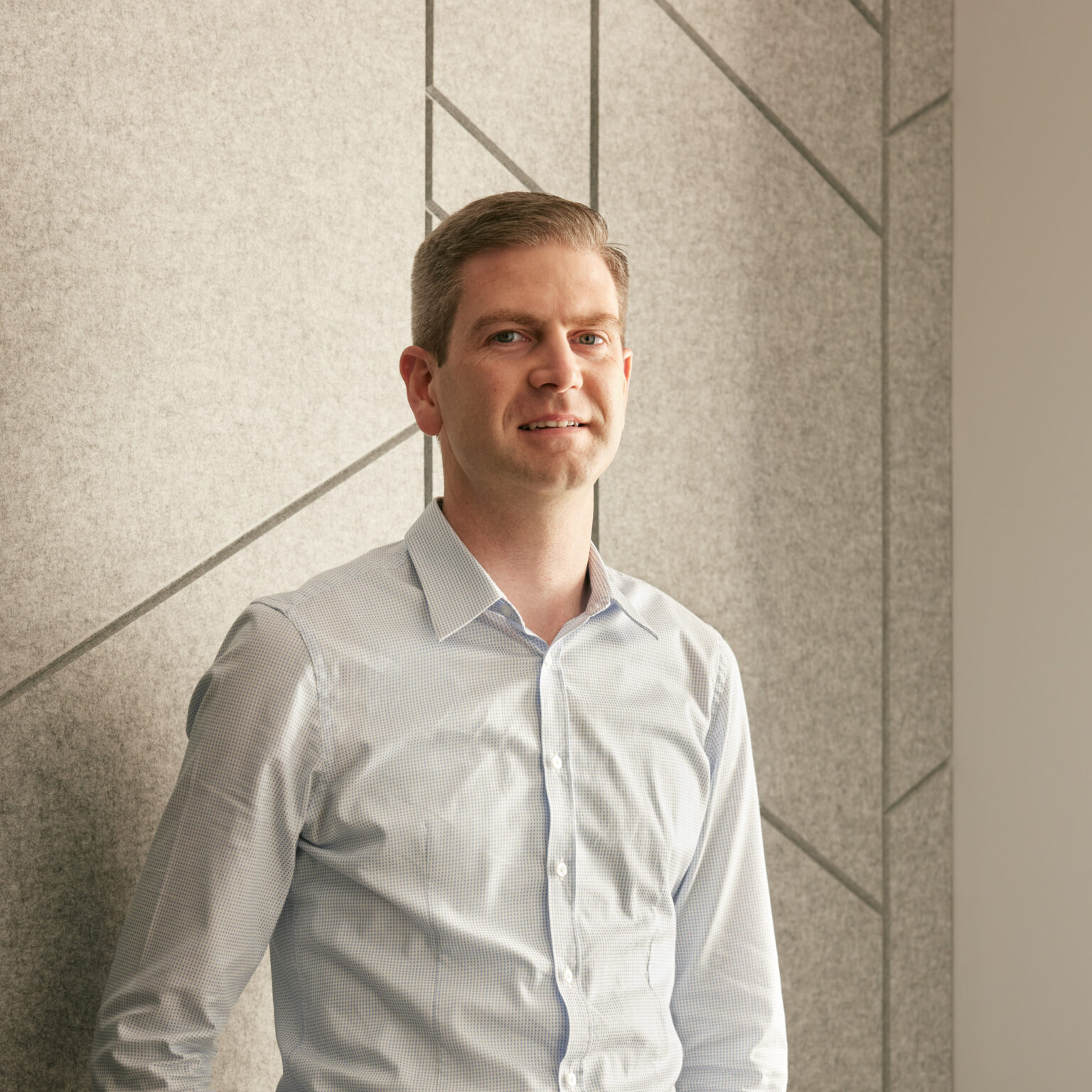
Doug Phillips | General Manager, Sensa Interiors
Doug is the General Manager of Sensa Interiors, with nearly two decades of experience in the commercial interiors industry. Having worked across different areas of the business, Doug understands the challenges organisations face when balancing immediate priorities with longer term ambitions.
He believes that good business decisions begin with understanding what matters most, whether that’s making better use of existing resources, supporting people or preparing for future growth. At Sensa, he brings this thinking to helping businesses create workplaces that make sense for where they are today and where they want to go next.
Connect with Doug on LinkedIn