From Corporate to Minimalist: 5 Commercial Interior Design Styles You Need to Know
Is your office space dull, uninspiring, or lacking character? Many business owners feel the same, especially as standards for workplaces have changed. Offices are now expected to be spaces that spark creativity, not just places to work.
Transforming your corporate environment into a creative oasis can be achieved by adopting a contemporary office design style that maintains and enhances your company culture. From modern minimalist to rustic industrial, there are a plethora of styles to choose from when it comes to creating an aesthetically pleasing and functional workspace. Each has its own visual language, material choices, and spatial qualities.
Understanding these styles helps businesses choose a direction that aligns with their brand, culture, and operational needs.
In this guide, we’ll introduce you to 5 trending commercial interior design styles that are sure to elevate your commercial office space and boost productivity.
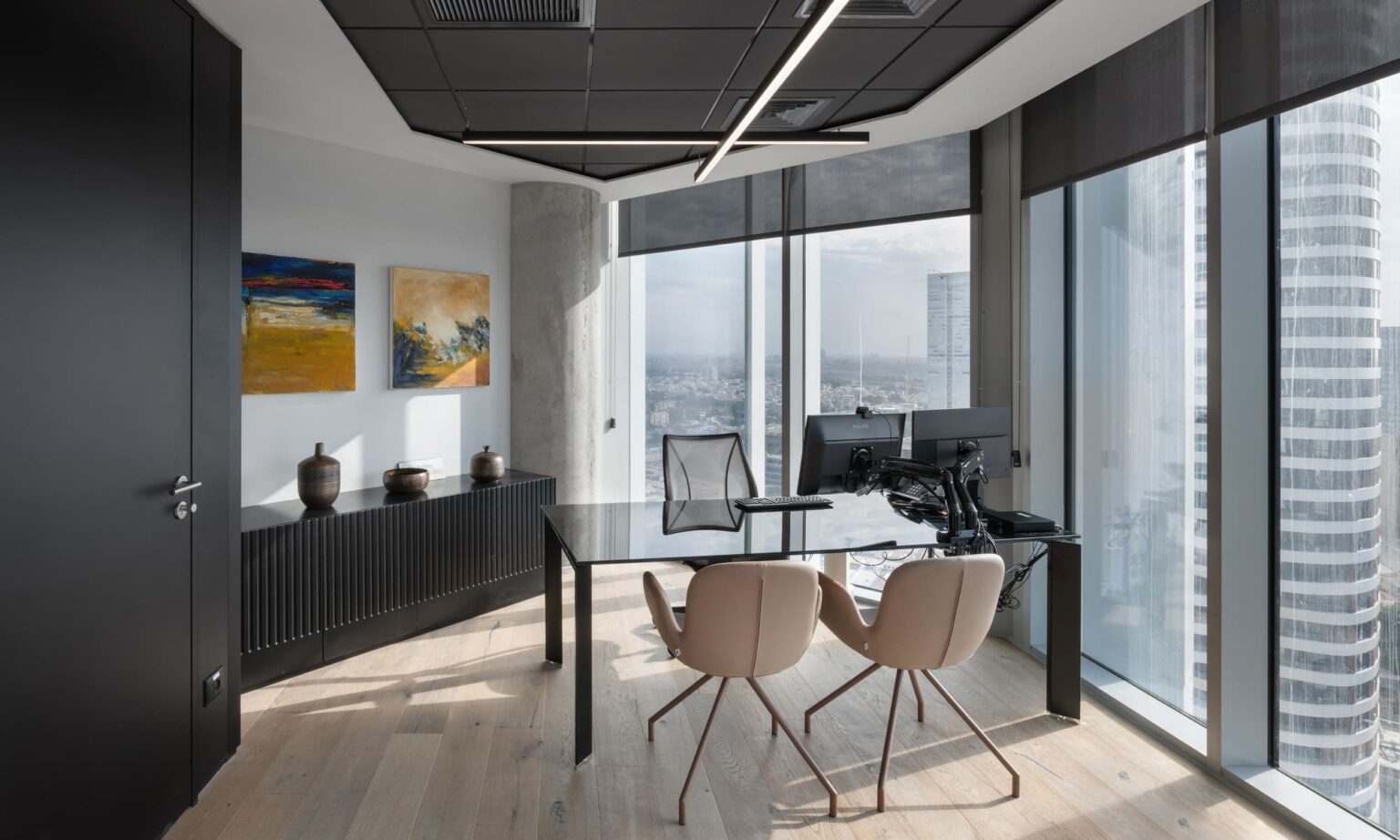
1) Corporate Style: Clean, Structured, and Professional
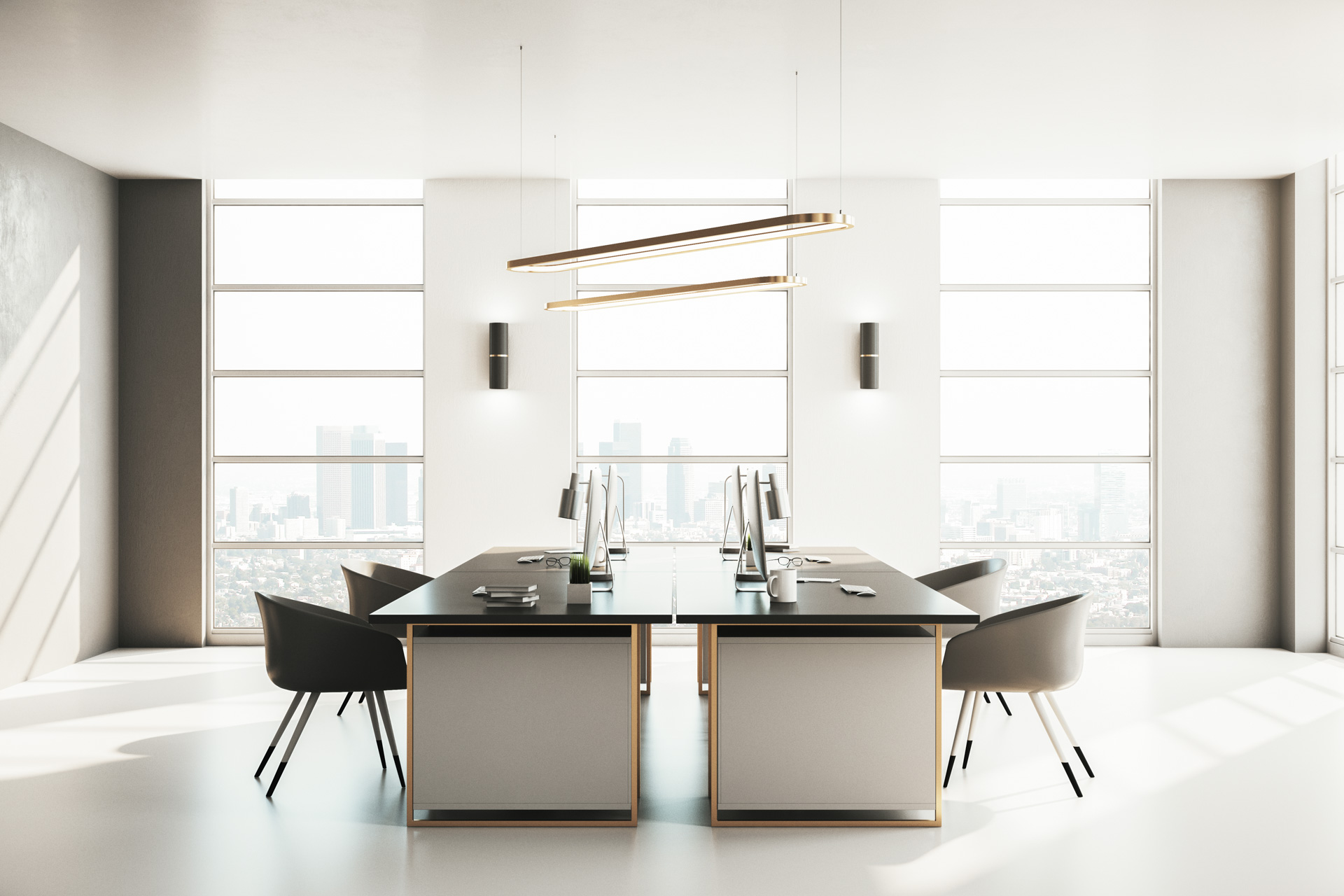
Corporate style remains a strong choice for organisations that value clarity, consistency, and a polished presentation. This approach is commonly used in legal, financial, and corporate environments.
Visually, corporate commercial office interior design is defined by:
- Neutral colour palettes including white, grey, black, and muted tones, with occasional pops of colours as accents
- Clean lines and minimal ornamentation
- Structured layouts with defined work zones
- Practical, ergonomic furniture
- Ample natural light and task lighting
The result is a calm, orderly environment that supports focus and professionalism without unnecessary visual distraction. Corporate style also prioritises functionality, accounting for practical needs of the space such as workstation layout, ergonomics, and storage.
Corporate commercial office interior design is best suited to industries where trust, professionalism, and structure are central to the client experience. Legal firms, financial institutions, corporate headquarters, and consulting firms often gravitate toward this style. These environments benefit from a design approach that feels composed and consistent, reinforcing credibility while supporting focused, individual work.
Image Source: Office Snapshot
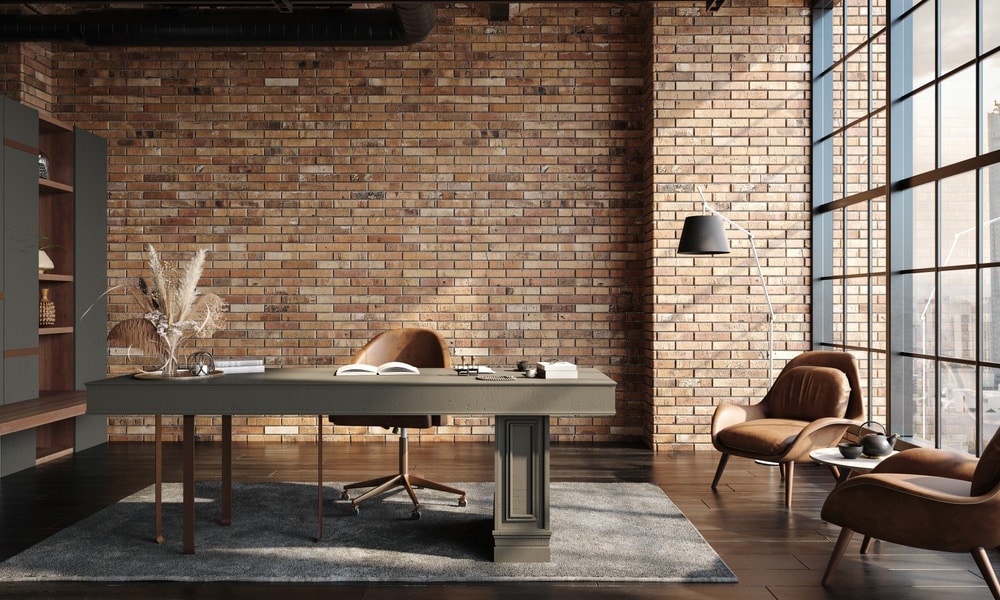
2) Industrial + Urban Style: Embracing Raw Elegance and Functional Design
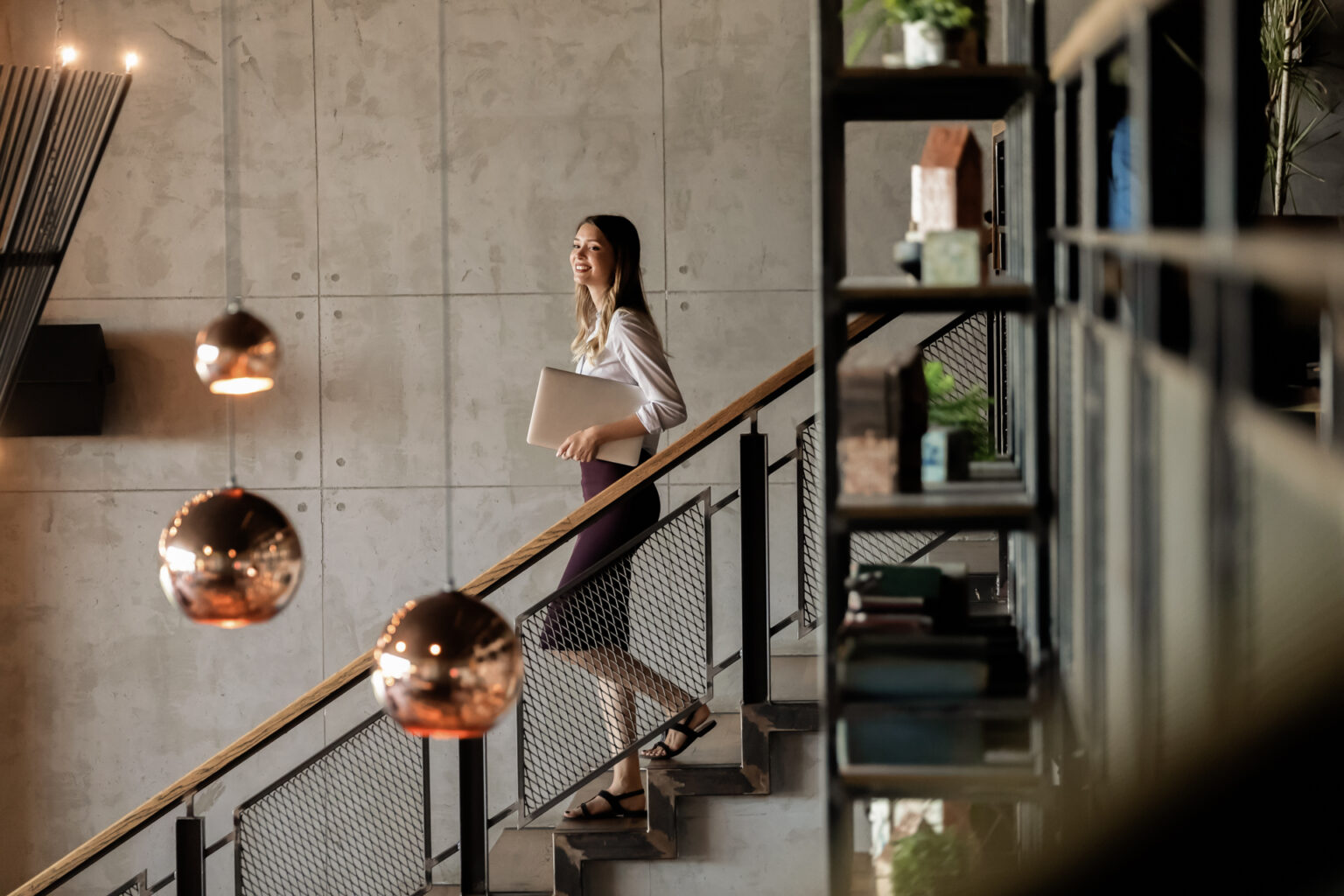
Industrial and urban design styles draw inspiration from warehouses, factories, and converted loft spaces. This approach embraces structure rather than concealing it.
Key visual elements of industrial/urban commercial interior design include:
- Exposed brick, concrete, steel, and timber
- Darker colour palette with neutrals such as grey, white, and black
- Open ceilings and visible services
- Large windows and strong natural light
- Simple, robust furniture
Industrial and urban design works particularly well for creative, technical, and innovation-driven industries. Architecture studios, advertising agencies, tech startups, engineering firms, and product design teams often favour this style for its openness and honesty.
The exposed materials and flexible layouts suit businesses that value adaptability, collaboration, and a less formal workplace aesthetic. Industrial commercial interior design creates a grounded, functional aesthetic for a less formal workplace atmosphere.
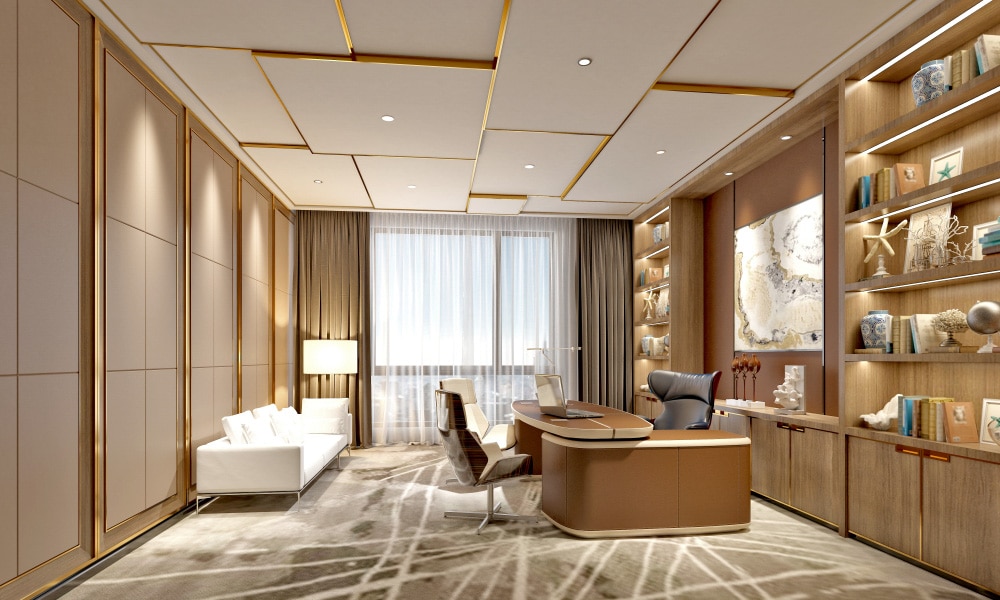
3) Luxe Style: Sophisticated and Prestigious Workspaces
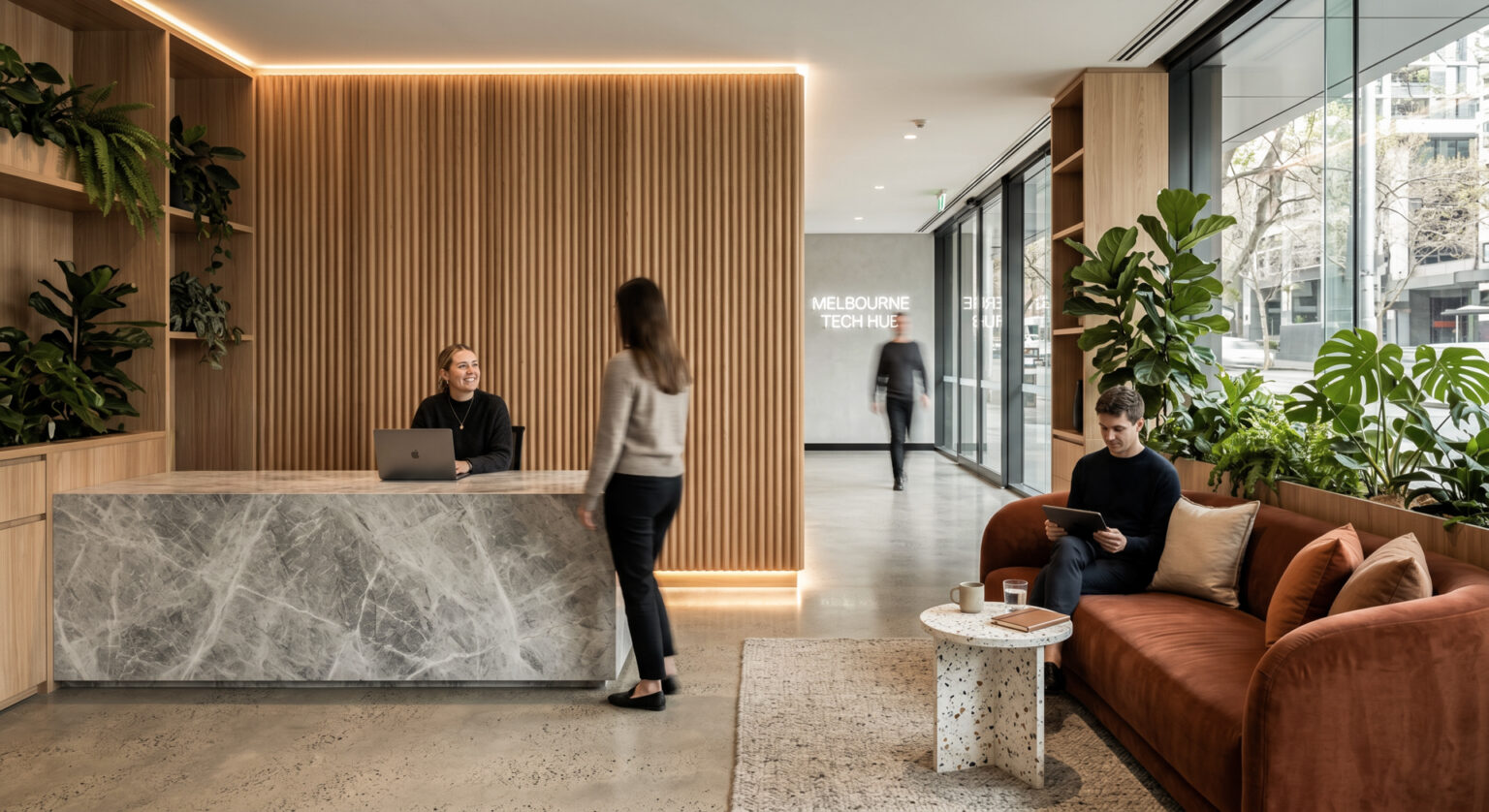
Luxe commercial office interior designs focus on craftsmanship, premium materials, and visual refinement. These spaces are designed to feel composed and considered rather than ornate.
Common features include:
- High-end materials such as marble, brass, glass, and textured fabrics
- Custom joinery and tailored furnishings
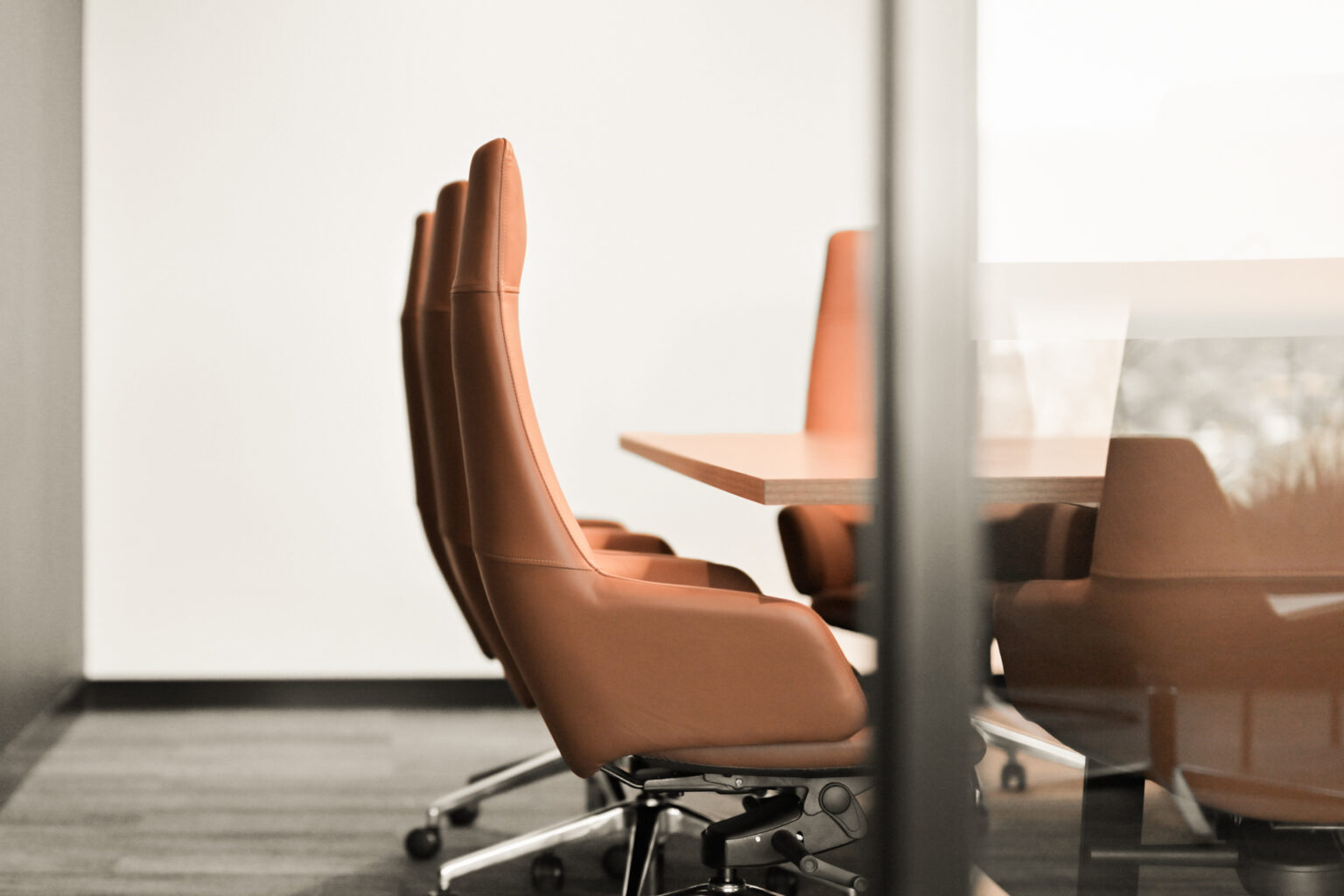
- High-quality, classic, and plush furniture such as leather executive chairs and sleek glass desks
- Layered lighting, including feature pendants
- Subtle colour palettes with depth and contrast
When luxe offices in Melbourne are executed by experienced commercial interior designers, they feel sophisticated and restrained, supporting both client experience and everyday work.
Luxe commercial interior design is well suited to industries where presentation, brand perception, and client experience play a defining role. Professional services firms, boutique finance groups, private equity offices, high-end real estate agencies, and premium hospitality or wellness brands often adopt this style.
The refined materials and tailored finishes support environments where discretion, confidence, and attention to detail matter.
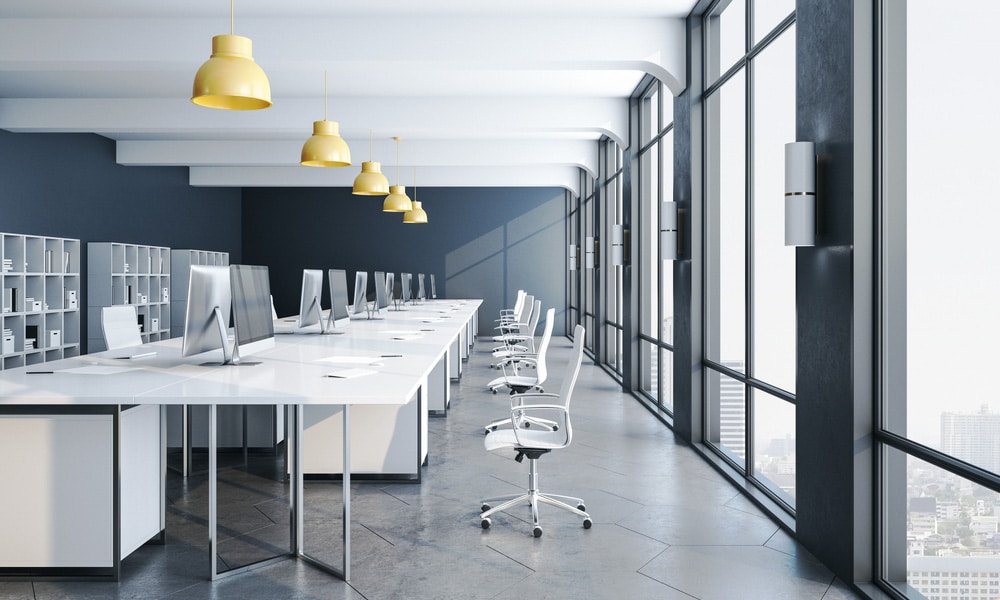
4) Minimalist Style: Calm and Intentional Design
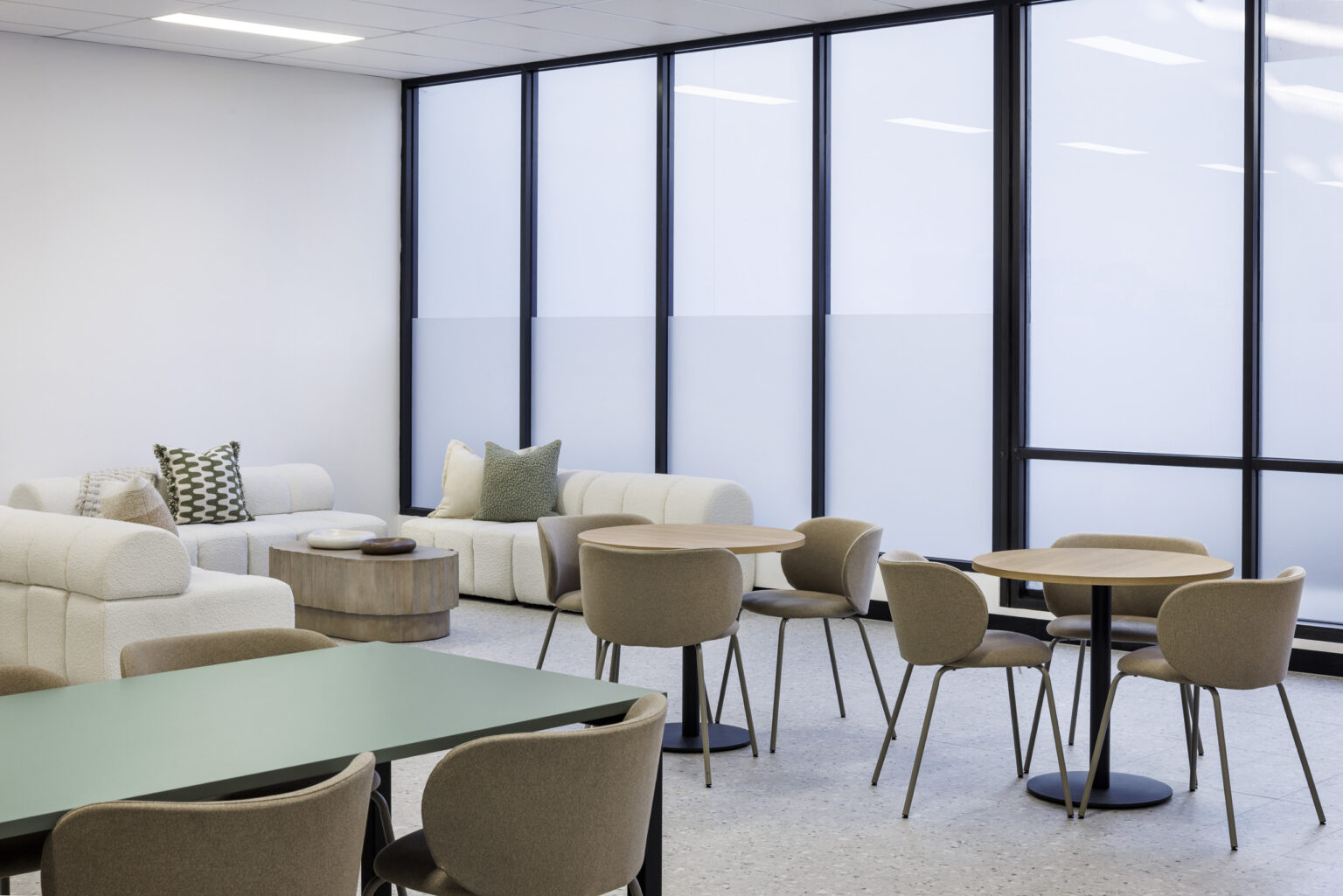
Minimalist commercial interior design is built around clarity and restraint. Every element serves a purpose, with visual noise reduced to create a calm, balanced environment.
Design characteristics include:
- Light, neutral colour palettes including grey, beige, and white
- Open layouts with carefully selected furniture
- Clean lines and thoughtfully chosen accents
- Minimal accessories, usually statement pieces
- Strong emphasis on natural light
Minimalist office interior design suits industries that prioritise clarity, efficiency, and long-term flexibility. Technology companies, research organisations, education providers, and corporate teams with hybrid work models often benefit from this approach.
The restrained aesthetic reduces visual distraction, allowing teams to focus while providing a neutral base that can evolve as the business grows.
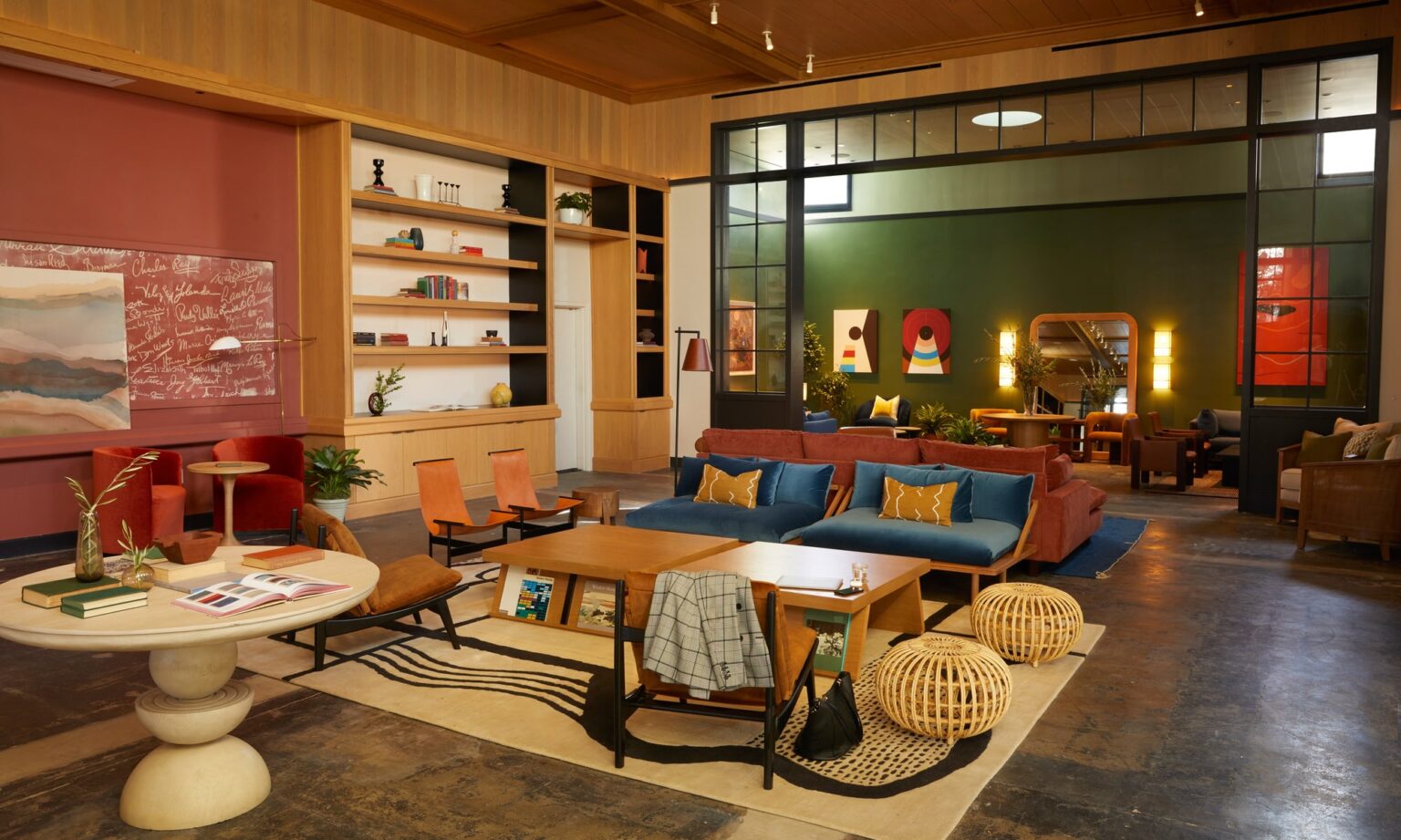
5) Boho Style: An Eclectic and Creative Workspace
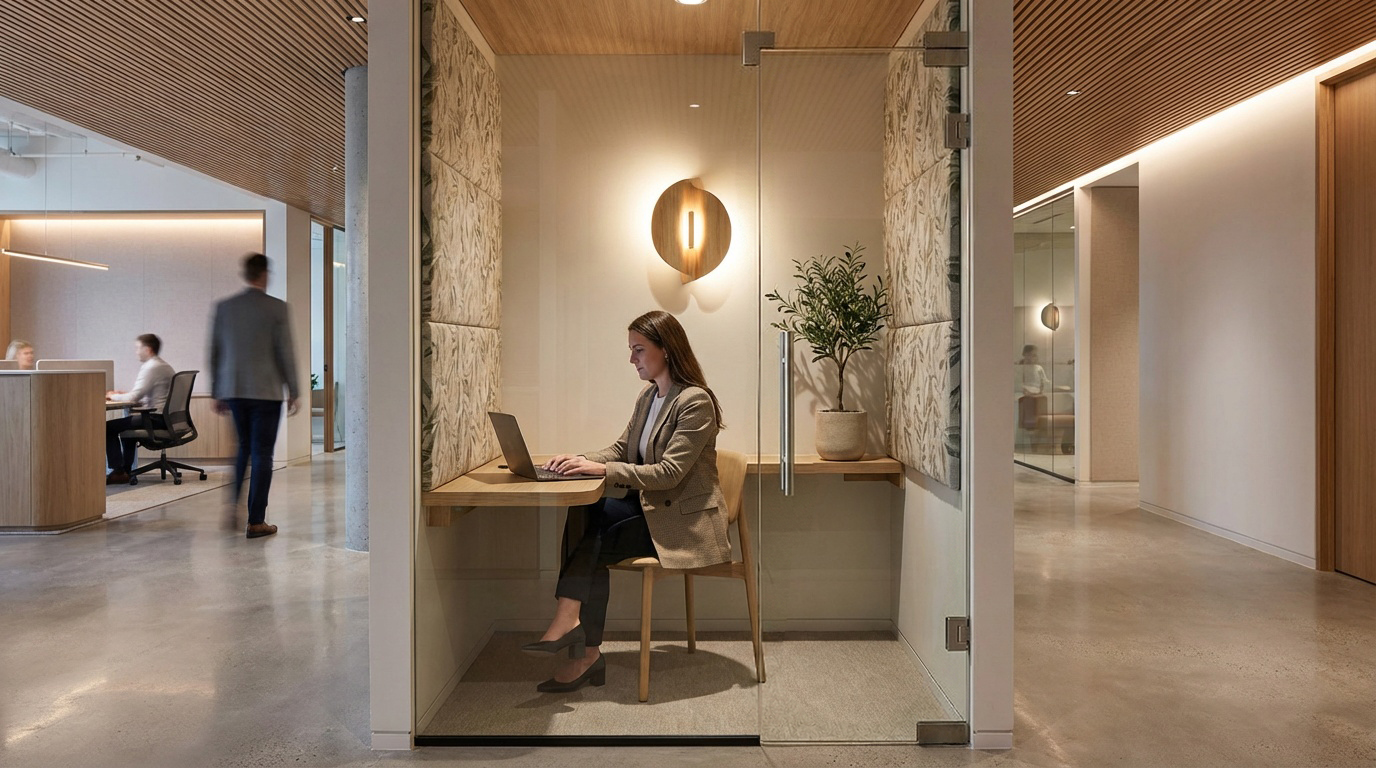
Boho design introduces warmth, texture, and personality into the workplace. This style is often used by creative teams seeking a more relaxed and expressive environment.
Visually, Boho commercial office interior design features:
- Mixed patterns, colours, and textures
- A blend of vintage and modern elements
- Natural materials such as reclaimed timber, rattan, metal, and textiles
- Plants, artwork, and curated accessories
- Bold, patterned wallpapers or murals
- Informal seating and flexible layouts
- Flooring options such as wood or cork, with plush rugs
- Natural light for an airy, organic feel
Boho spaces are layered rather than uniform, creating workplaces that feel lived-in, creative, and visually engaging. They are commonly used by industries that value creativity, culture, and self-expression.
Media agencies, branding studios, creative consultancies, fashion labels, and community-focused organisations are well matched to this style. The layered textures and informal layouts help create environments that feel approachable and encourage collaboration and idea sharing.
Image Source: Office Snapshot
Frequently Asked Questions
What does a commercial interior designer do?
A commercial interior designer plans and delivers interior environments for business use. This includes space planning, design documentation, material selection, coordination with consultants, and ensuring compliance with building and workplace regulations.
Why should I use commercial interior designers for my Melbourne workplace?
Commercial interior designers in Melbourne bring local knowledge of building codes, approval processes, suppliers, and workplace trends. This helps streamline delivery and reduce risk throughout the project.
When should I involve a commercial interior designer?
Engaging a designer early helps align layout, budget, and compliance from the start. Early involvement often reduces rework and ensures the design supports both current and future business needs.
How should I choose my Melbourne commercial interior designers?
A good way to start when deciding on your commercial interior designers in Melbourne is looking at their past projects. Are they distinct, smart, and visually appealing? Do these spaces look like something you want?
Remember that every business is different, so look at their adaptability in style for each workplace.
Choosing the right commercial interior designer for your Melbourne office is vital. You should also consider how attentive, efficient, and meticulous they are to ensure a smooth process.
Why Choose Sensa Interiors?
At Sensa Interiors, we focus on commercial office interior design in Melbourne, constructing engaging, aesthetic, and efficient spaces that balance visual appeal with functionality, compliance, and longevity.
While we take inspiration from design styles, Sensa tailors every office fitout to an organisation’s unique needs, workflows, and brand. That’s why no two Sensa office fitouts are the same.
Contact us now to get in touch with our office interior designers in Melbourne. Let’s make your dream workplace a reality.