What Makes an Office Truly Hybrid Friendly

When offices began to reopen after the pandemic, the rhythm of work felt different. Teams returned with new expectations. The days of everyone being in the same place every day were gone. People had discovered the freedom to choose where they work best, and businesses started to adapt.
Today, hybrid working has become the new norm, backed by industry momentum and supported by government policies. Yet many offices remain the same as they were before — designed for a way of working that no longer exists.
To make hybrid work for your business, your office needs to evolve. A workspace that supports both collaboration and quiet focus can unlock the full potential of your people. When your environment aligns with how your team truly works, productivity, engagement, and performance naturally follow.
Understanding What Hybrid Work Really Means
Hybrid work is more than a mix of working from home and coming into the office. It is about giving people the freedom to choose where they can do their best work. It recognises that focus, collaboration, and connection each need different settings.
The goal is not to split time evenly between places but to create balance. A well considered hybrid approach helps people feel connected to their team, trusted by their leaders, and supported by their environment.
The Shift Towards Flexible Workplaces
Across Melbourne and around the world, organisations are rethinking how offices can serve a more fluid way of working. The most successful businesses are viewing their workplaces as destinations that draw people in, rather than obligations that require attendance.
Common trends include:
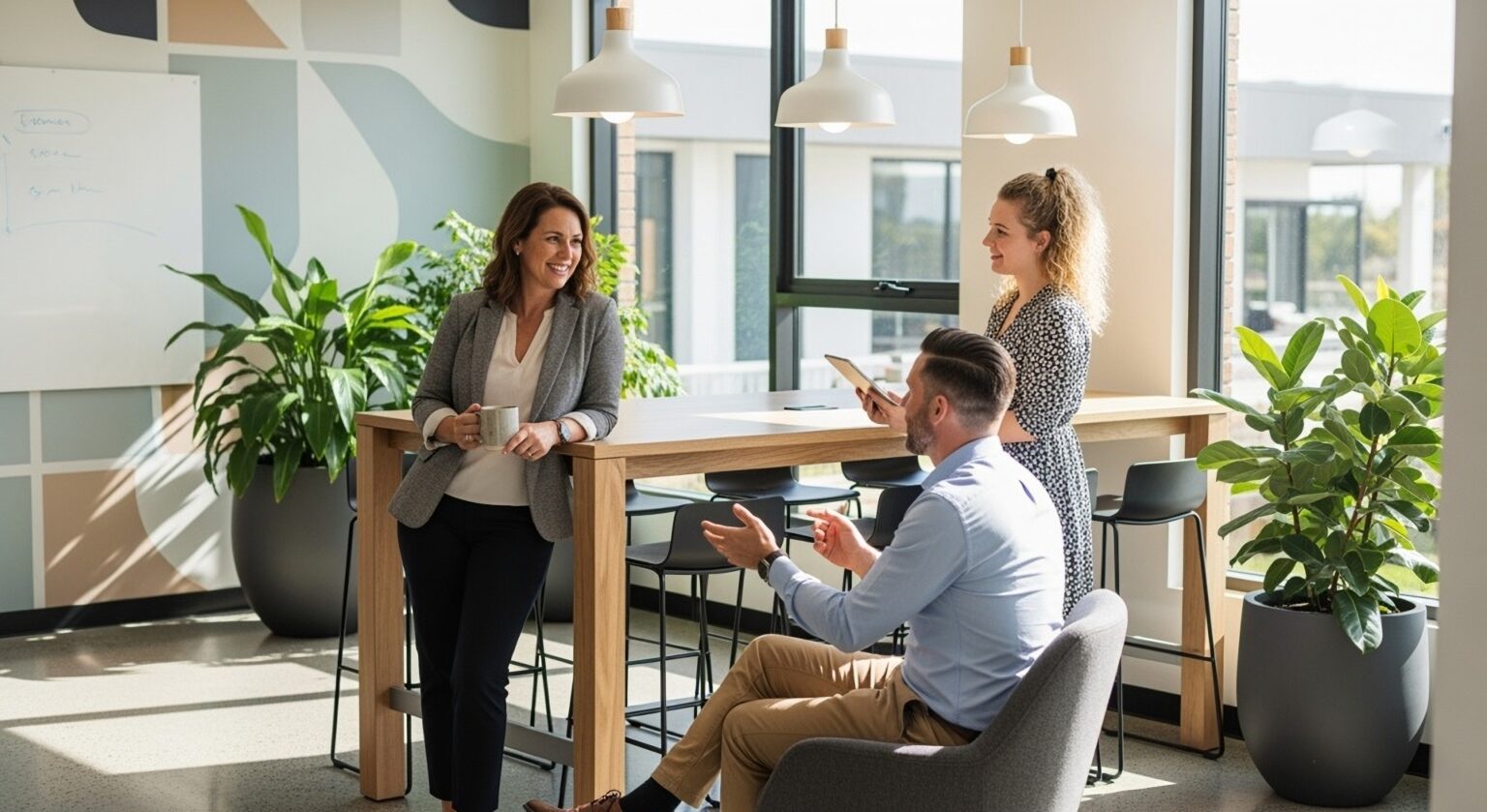
- Creating activity based spaces that support focus, collaboration, and social connection
- Integrating smart technology that makes hybrid meetings natural and inclusive
- Using flexible furniture and movable partitions so spaces can easily adapt to different needs
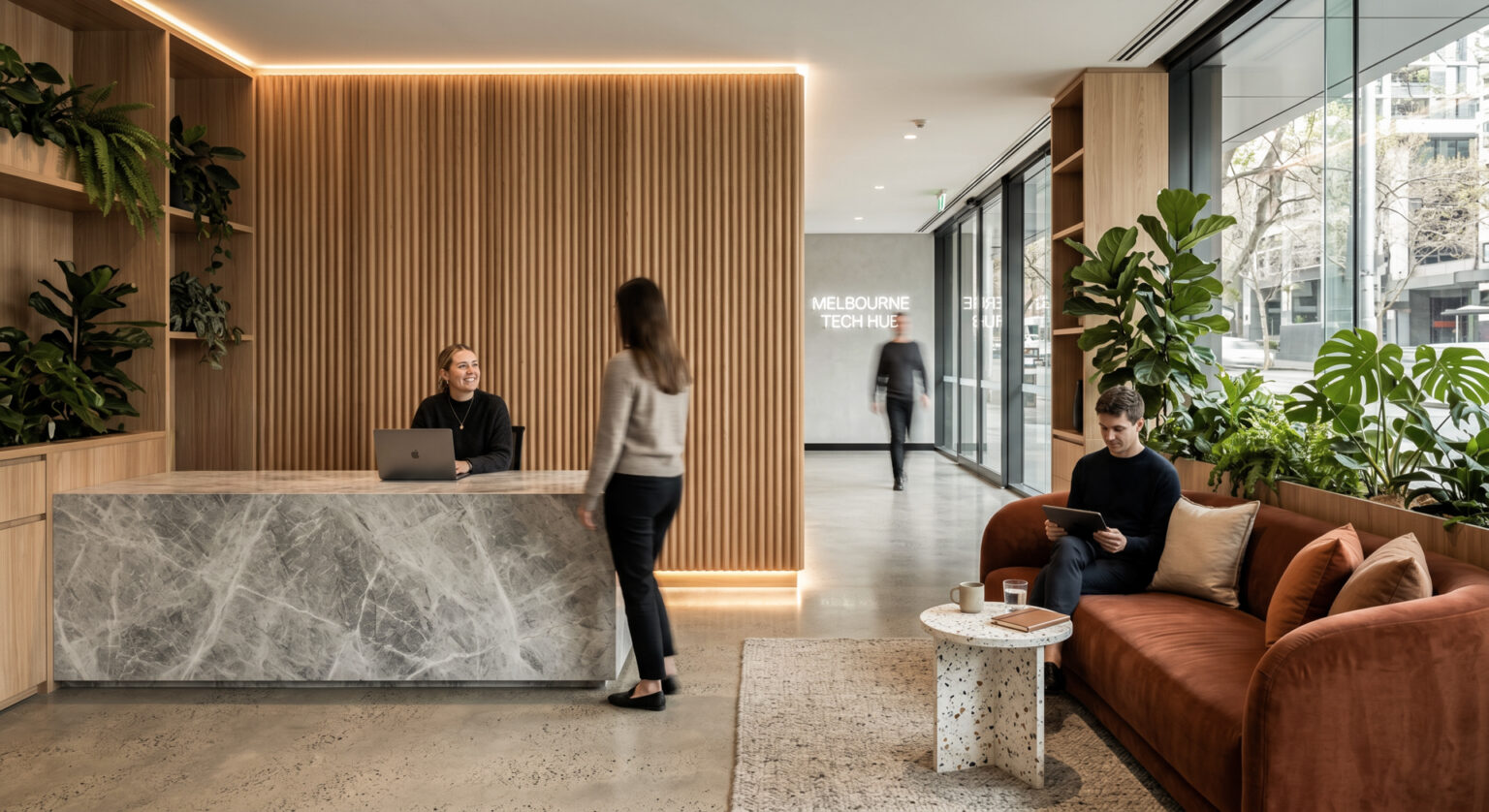
- Bringing in natural light, greenery, and texture to improve wellbeing
- Making the office a place for culture, mentorship, and innovation, not just routine work
Challenges in Supporting Hybrid Teams
While hybrid working offers freedom and balance, it has also revealed design and technology gaps in many workplaces. Most offices were created for full occupancy and fixed routines, not the blend of remote and in-person work that defines today’s teams.
Some of the most common challenges include:
- Meeting rooms that make remote participants feel excluded
- Desks and areas that sit empty while other spaces feel crowded
- Technology that cannot support smooth virtual meetings or digital collaboration
- Difficulty moving between home and office setups due to inconsistent equipment and ergonomics
- A lack of defined zones that support focus, teamwork, and connection
- A gradual loss of culture when the workplace does not bring people together
These issues are more than just practical concerns. They affect how people feel, how they interact, and how effectively they work. With the right design approach, each challenge can become an opportunity to improve performance, connection, and wellbeing.

Designing Spaces That Make Hybrid Work
Creating a workspace that supports hybrid working begins with understanding how people use the office. The goal is to make the transition from home to workplace effortless, and to provide a setting that feels both comfortable and energising.
To achieve this, consider the following:
Plan for adaptability
Design spaces that can evolve as your team and work patterns change. Flexible furniture, moveable partitions, and multi-purpose zones allow your office to grow with your business.
Support seamless transitions
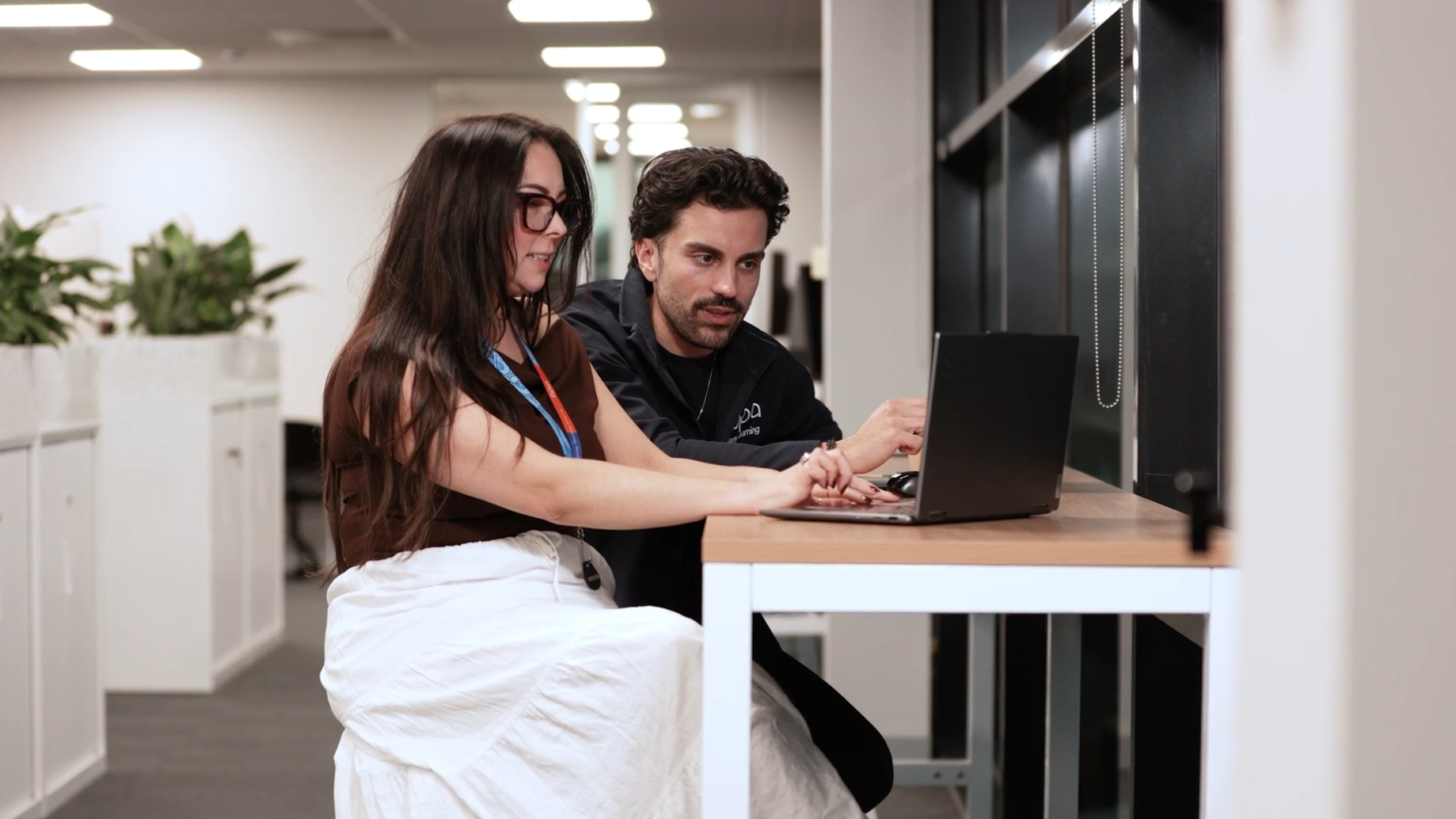
Provide workstations equipped with smart docking systems, dual screens, height adjustable desks, and ergonomic seating. These details make it simple for people to settle in and work comfortably from the moment they arrive.
Enhance collaboration
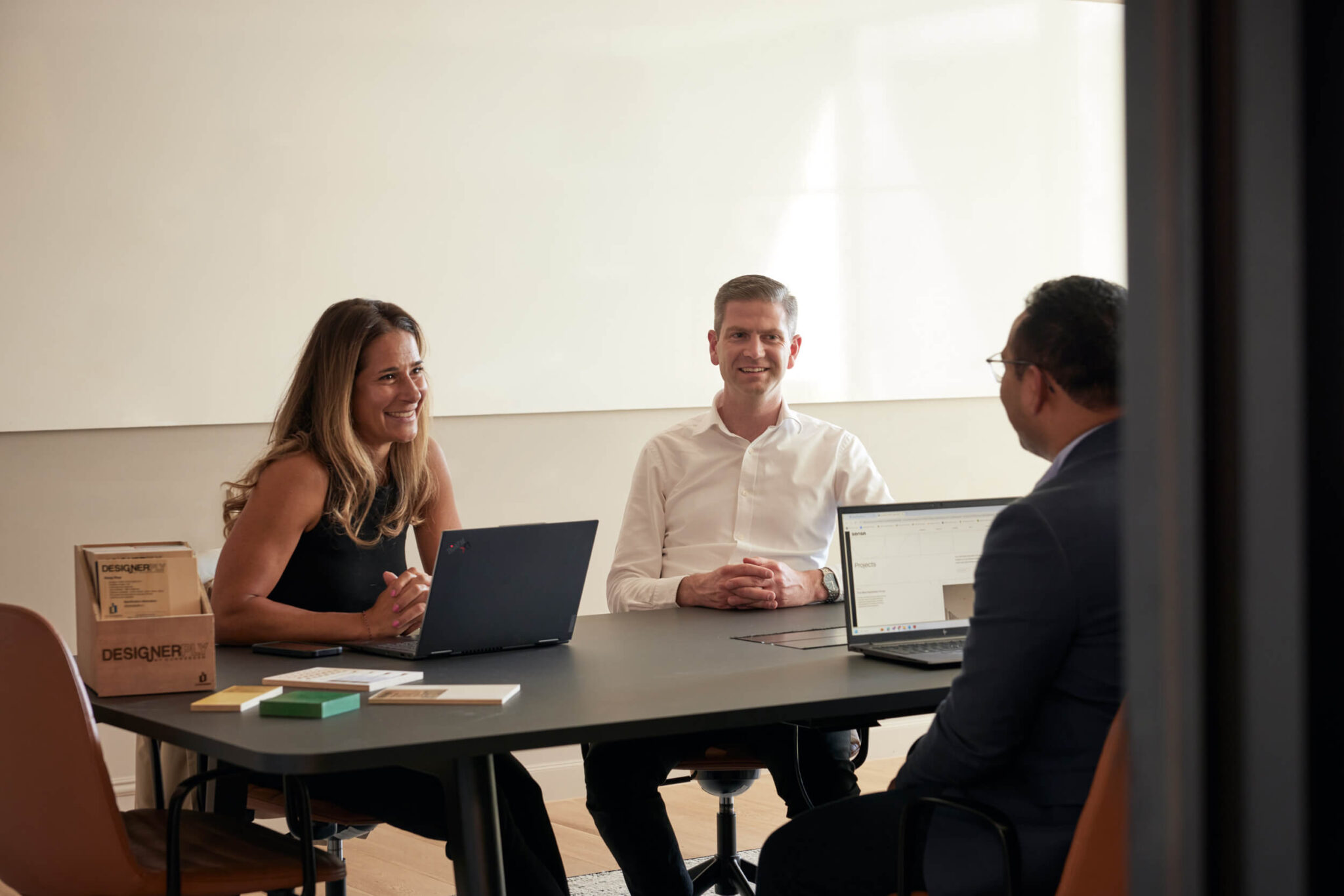
Equip meeting rooms with quality audio, visual, and acoustic systems so that everyone, whether in the room or online, can contribute equally.
Balance focus and connection
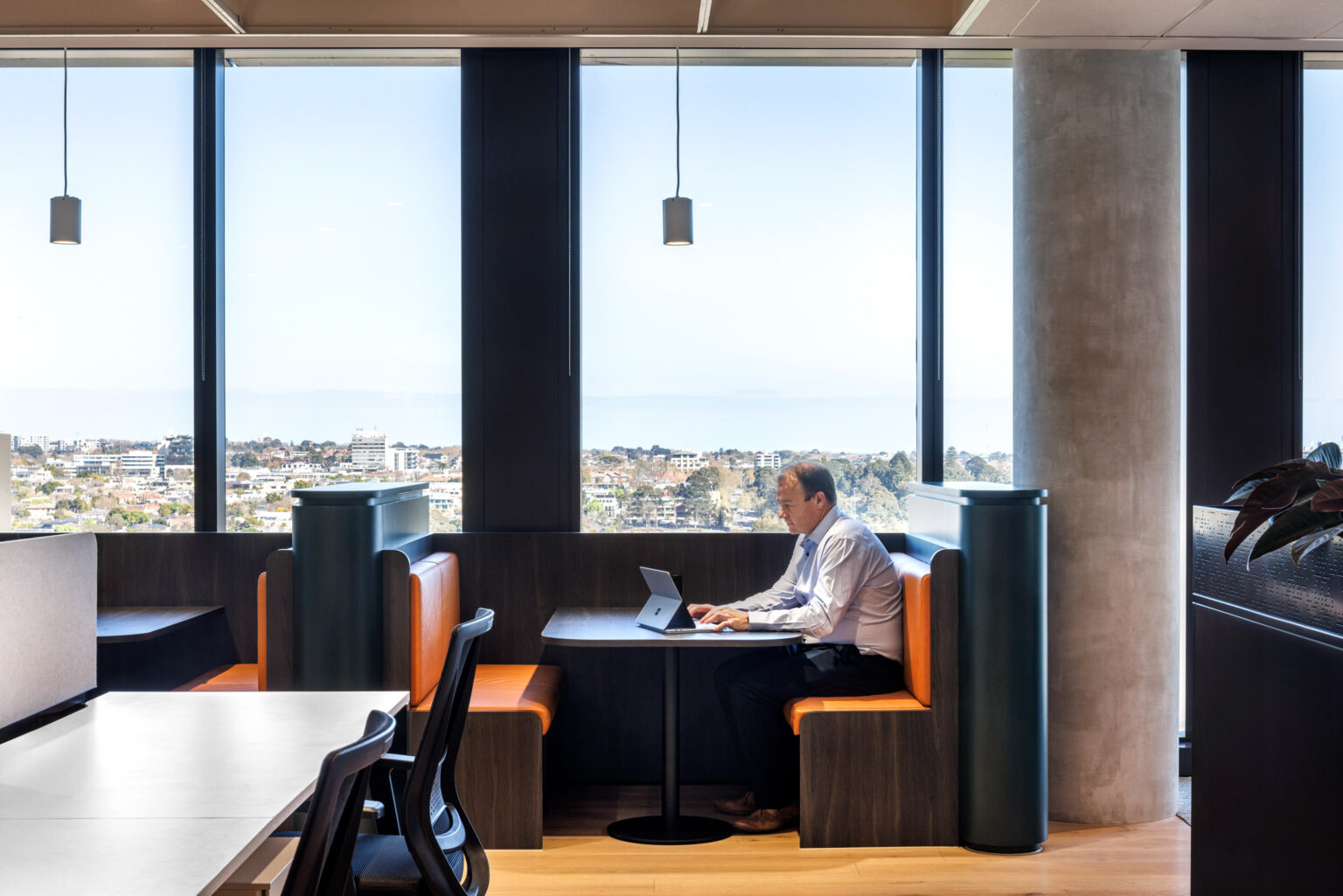
Offer a mix of quiet rooms, collaborative areas, and informal spaces that allow people to choose how and where they work best.
Reinforce culture and belonging
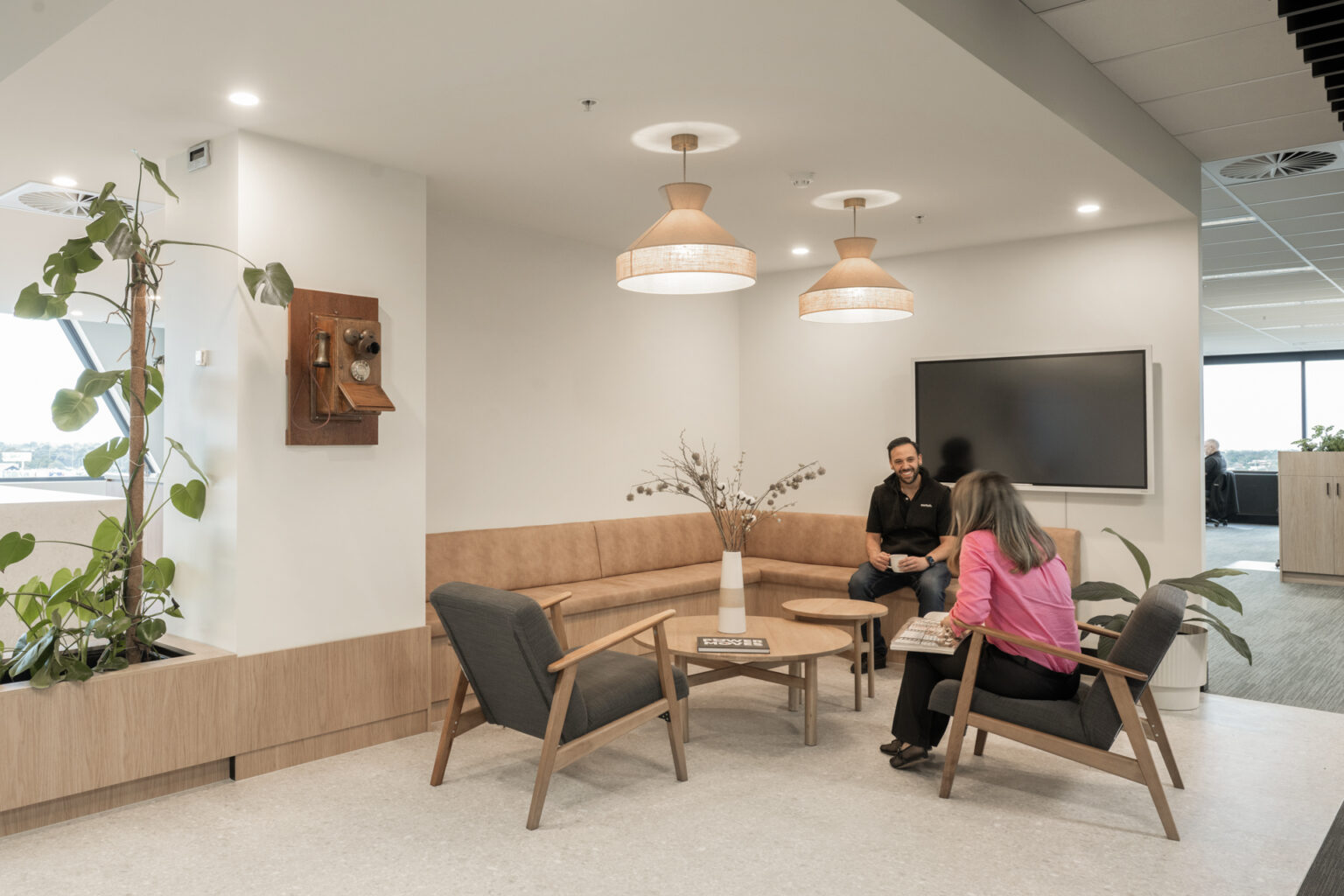
Create shared spaces that reflect your brand and values. The design, materials, and flow of the workplace should remind people of what they are part of and why their work matters.
A well designed hybrid workspace is not only about flexibility. It is about creating an environment where technology, comfort, and human connection work together to help your people perform at their best.
How Sensa Can Help
At Sensa, we believe the best workplaces are built around people and purpose. Through our SensaARC process — Discover, Design, Deliver, we guide you through a seamless transformation that supports how your team works today and prepares you for tomorrow.
We begin by understanding your goals and how your people use the office. Then we design with purpose, combining flexibility, technology, and care. Finally, we deliver your new workspace with precision and attention to detail, ensuring everything is ready to perform from day one.
A well designed hybrid office does more than improve efficiency. It brings your people together, supports their wellbeing, and strengthens your culture.