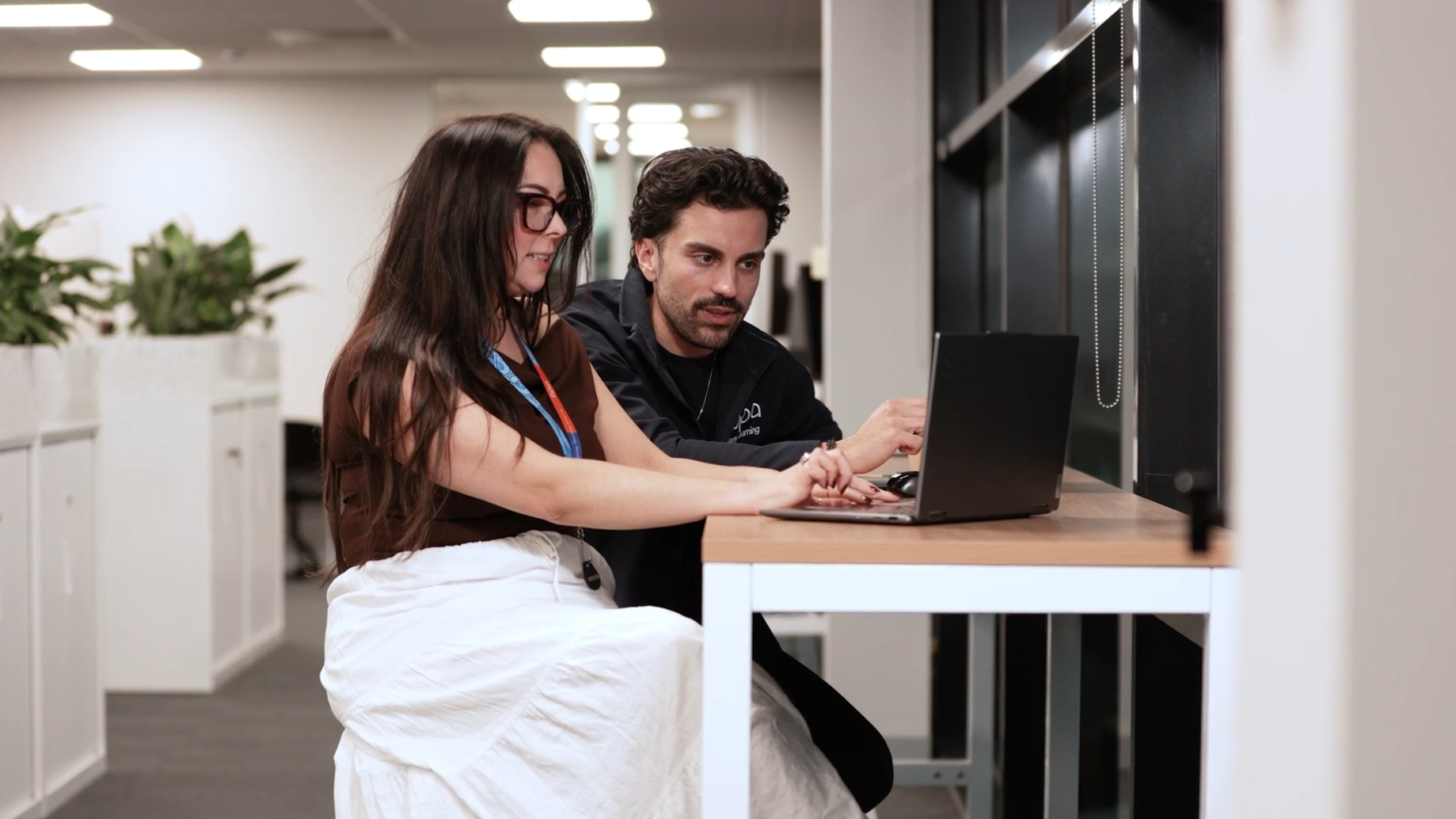
How Office Fitout and Design Decisions Shape the Way Teams Actually Work
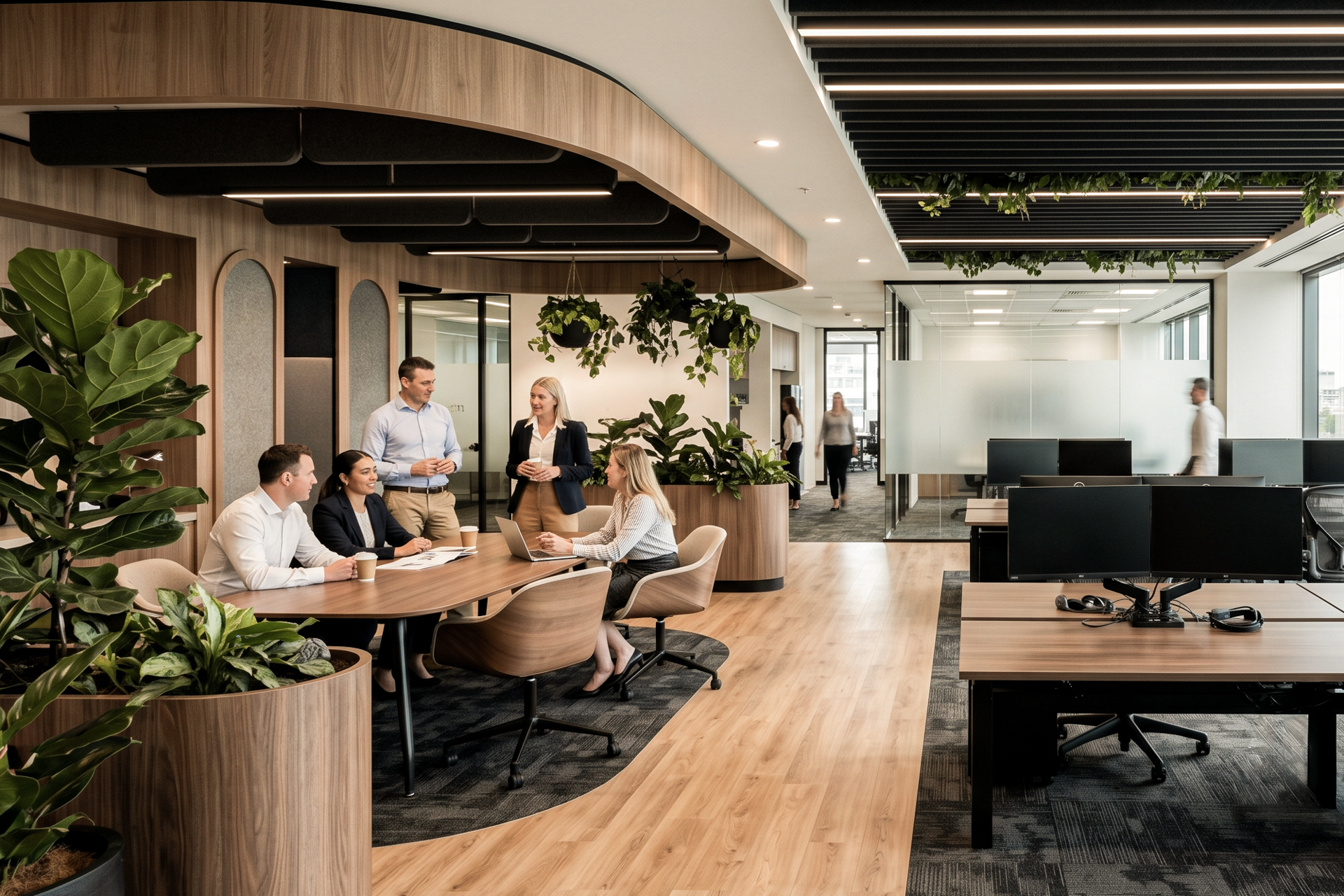
Most businesses begin workplace projects by thinking about layouts, finishes, and furniture. While these elements are important, they are only part of what makes a workplace successful.
The most effective office fitout design decisions are shaped by a clear understanding of how teams work. From collaboration and communication to concentration and movement throughout the day, workplace design influences how people perform their roles. When design decisions align with real workplace needs, businesses are better positioned to create environments that support productivity, adaptability, and long-term growth.
Why Office Fitout Design Influences Team Performance
A workplace affects employee behaviour every day.
The location of shared spaces, access to quiet work areas, ease of movement between teams, and the balance between collaboration and focus all influence how effectively people work.
When these elements are not aligned with operational needs, businesses often experience inefficiencies that impact productivity over time. Employees may struggle to find suitable spaces for focused work, meetings may disrupt surrounding teams, or departments that need regular interaction may become physically disconnected.
This is why office fitout design should be driven by workplace requirements rather than assumptions. A workplace that supports how people work is far more likely to support business performance.
Designing Offices for Team Productivity Starts With Understanding People
How Do Your Teams Work Throughout the Day?
No two organisations work in exactly the same way.
Some businesses rely on frequent collaboration and informal interaction, while others require quiet environments that support concentration. Many organisations need a balance of both.
Understanding how employees spend their time provides valuable insight into the types of spaces required. This forms the foundation of employee focused office design, ensuring that workplace environments support actual work patterns rather than generic design trends.
When workplaces reflect how teams operate, they often become easier to use, more productive, and better suited to day-to-day business activities.
What Gets in the Way of Productivity?
Many workplace challenges are caused by design decisions that fail to support daily workflows.
Insufficient meeting spaces, excessive noise, poor circulation, and disconnected team areas can all create friction across the organisation. While these issues may appear minor individually, they often compound over time and impact efficiency across the business.
Designing offices for team productivity involves identifying these barriers early and creating environments that remove unnecessary obstacles. This helps employees spend less time navigating workplace frustrations and more time focusing on meaningful work.
How Do You Balance Collaboration and Concentration?
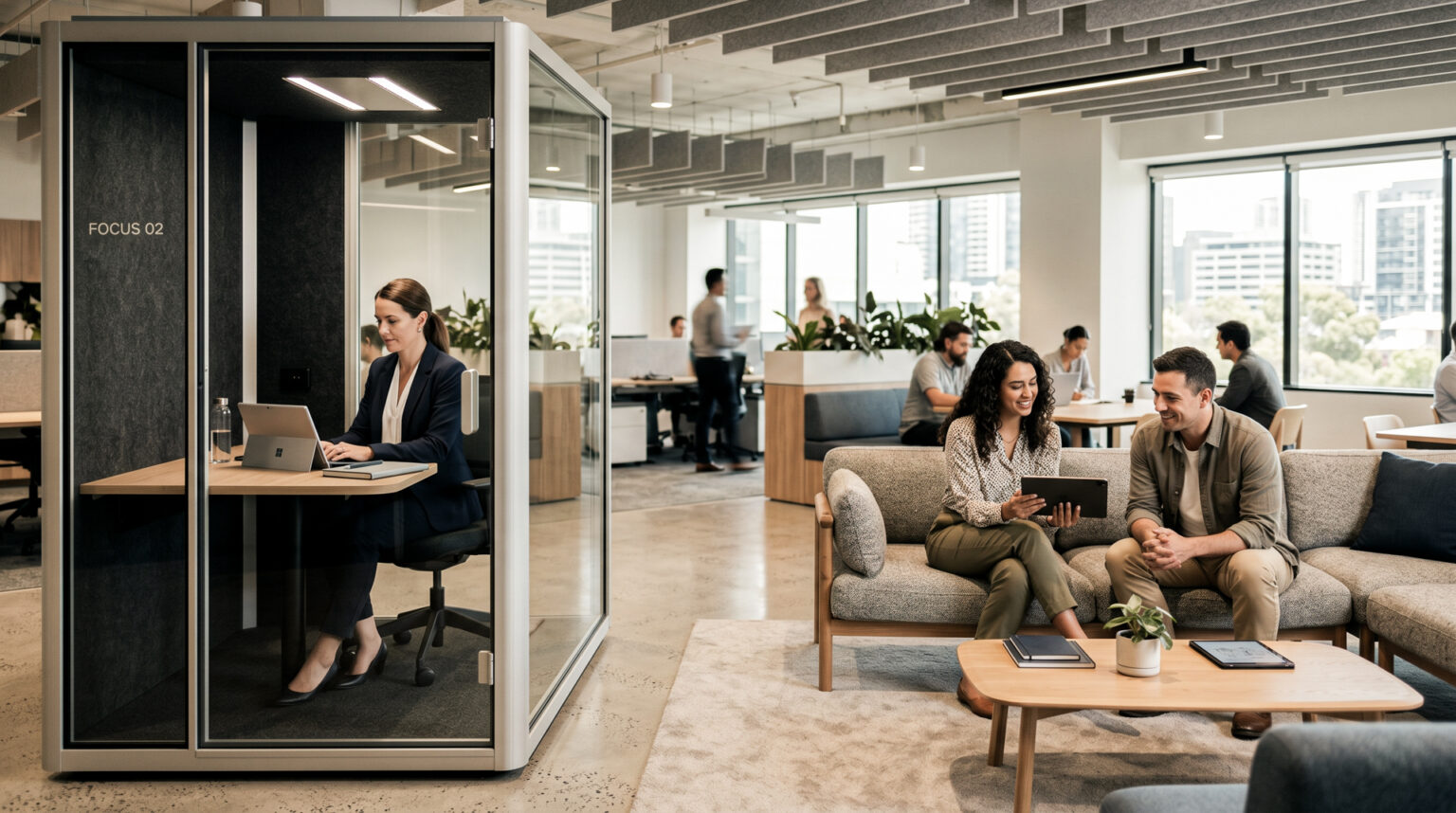
Modern workplaces need to support both teamwork and focused work.
Open-plan environments can encourage communication and knowledge sharing, but they can also create distractions when concentration is required. Equally, workplaces that prioritise privacy can sometimes limit collaboration and spontaneous interaction.
Effective office fitout design seeks to balance these competing needs. This may include collaborative areas, meeting rooms, quiet zones, acoustic treatments, and flexible work settings that allow employees to choose the environment best suited to the task at hand.
The result is a workplace that supports different ways of working without forcing employees into a one-size-fits-all environment.

Strategic Design Decisions Create Better Workplace Outcomes
Understanding How Work Happens Across the Business
Every organisation has unique operational requirements.
Different departments, leadership teams, and employees often use workplace environments in different ways. Understanding these differences helps ensure that workplace planning reflects operational reality.
Before developing design concepts, experienced teams take the time to understand communication patterns, workflow requirements, occupancy levels, technology needs, and business objectives.
These insights allow office fitout design decisions to support the way work actually happens throughout the organisation.
Planning for Flexibility and Growth
Business requirements rarely remain static.
Teams expand, technology evolves, and workplace expectations continue to change. A workplace designed solely around current needs can quickly become restrictive.
Planning for flexibility helps organisations adapt to future changes without requiring significant disruption. Flexible layouts, adaptable work settings, and scalable infrastructure all contribute to a workplace that can evolve alongside the business.
Based on our experience, organisations that plan for change early often achieve greater long-term value from their workplace investment.
Aligning Workplace Design With Business Objectives
The most successful workplace projects support more than daily operations.
For some businesses, the priority may be attracting and retaining talent. For others, it may be improving collaboration, supporting hybrid work, strengthening culture, or preparing for future growth.
An employee-focused office design ensures these objectives are considered throughout the planning process. Rather than treating workplace design as a standalone exercise, it becomes part of a broader business strategy.
This creates stronger alignment between workplace investment and organisational outcomes.
Why Design Decisions Have Lasting Business Impact
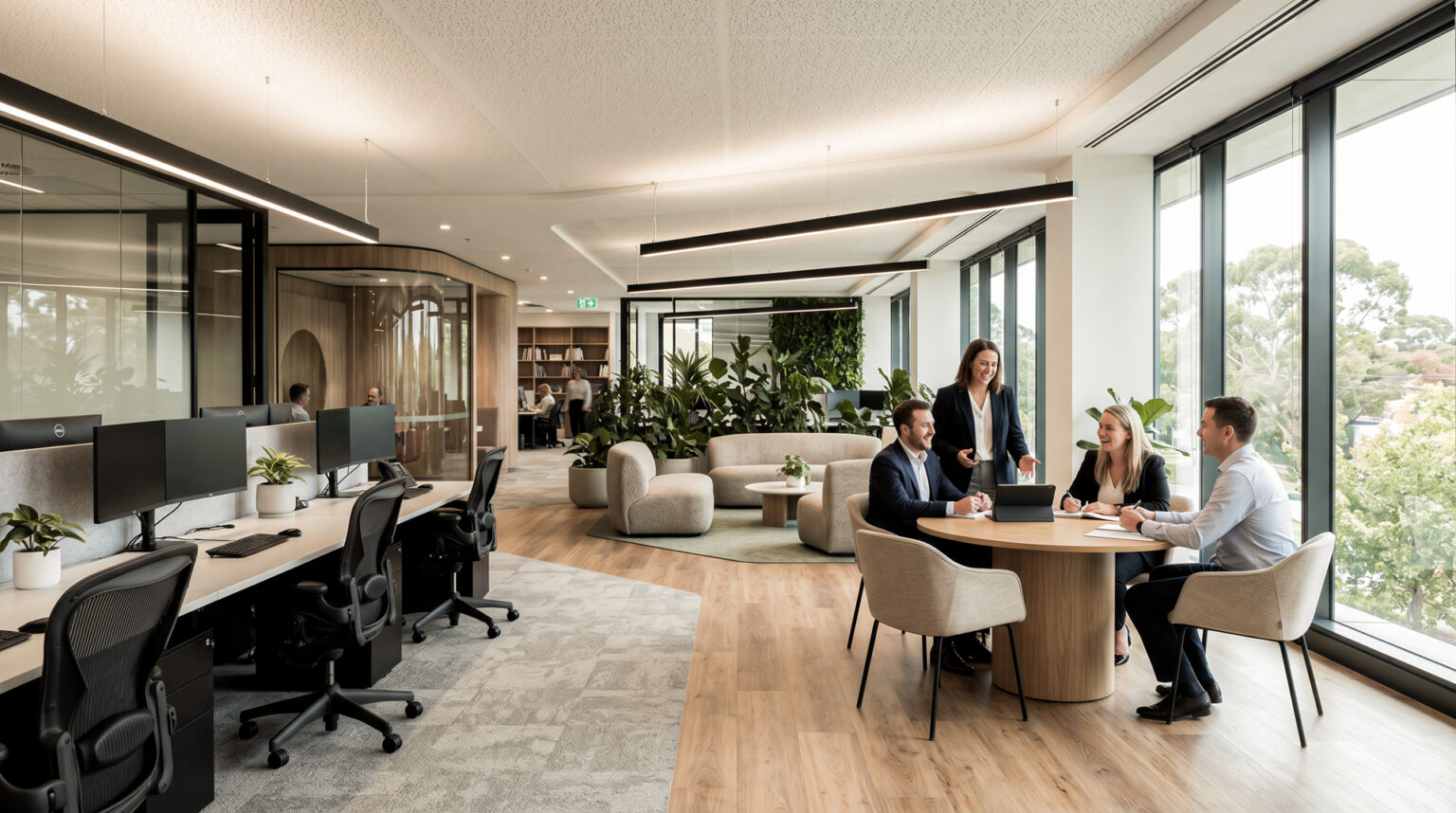
A workplace is one of the most visible expressions of how a business operates. The decisions made during planning and design can influence employee experience, productivity, collaboration, and operational effectiveness for years.
When workplace environments are designed around how people actually work, they become more than functional spaces. They become tools that support performance, adaptability, and business success.
The most effective office fitout design decisions are rarely driven by aesthetics alone. They are informed by workplace behaviour, operational requirements, and a clear understanding of business goals. This creates environments that not only look considered but also deliver practical value long after the project is complete.
Conclusion
Workplace environments should be shaped by the realities of how teams operate. When office fitout design decisions are informed by real workflows, team needs, and business objectives, the result is a space that supports stronger performance both now and into the future.
Designing offices for team productivity is not about following trends or maximising floor space. It is about creating an environment that helps people work more effectively every day. When workplace strategy and design work together, businesses are better positioned to create environments that support their people, strengthen performance, and adapt to future change.
To learn more about Sensa Interiors’ approach to workplace strategy, office design, and tailored fitout solutions, visit Sensa Interiors or explore our office fitouts expertise.